My Generation
2004
No user ratings available yet
Representation score: 4.9 out of 10
Representation Score
Fair
2001
Director
Jeong Jae-eun
Runtime
112 minutes
Average Rating
No ratings yetNew Showbiz Analysis
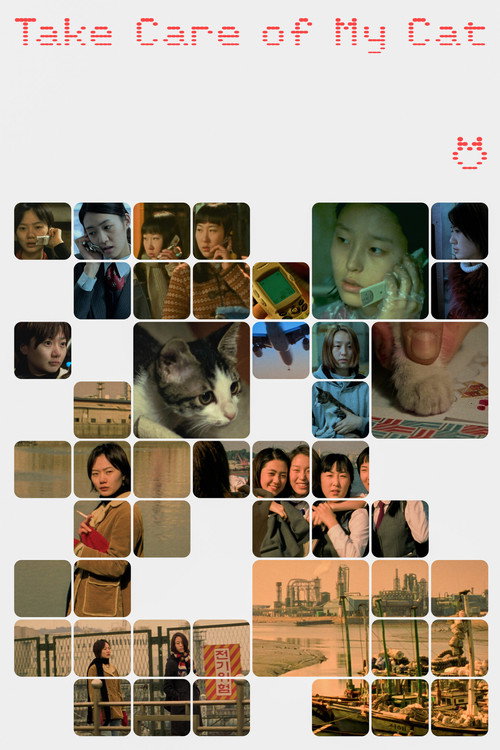
Take Care of My Cat is a character-driven exploration of female social structures. Its primary strength lies in its gendered focus, where female experiences are the central axis of the story. The film offers a meaningful, localized representation by emphasizing the domestic and interpersonal complexities of women's lives. However, it does not overtly engage with the overlapping aspects of identity or radical systemic critiques. While the film successfully centers female autonomy, it remains a localized drama that does not actively seek to dismantle broader socio-political institutions or present a diverse ethnic plurality.
Category Breakdown
The film focuses on the bonds between five female friends. Though it doesn't explicitly include queer identities or romantic subplots, the emphasis on female perspectives challenges traditional patriarchal narratives.
The story emphasizes the ability to act and emotional lives of female protagonists. By making young women the main drivers of the plot, the film avoids common clichés of female characters serving as mere supporting roles.
As a South Korean production, the film depicts a largely homogeneous social environment. It provides a culturally specific perspective rather than using diverse ethnic mixing or Western-centric storytelling norms.
The narrative explores the shift from rural life to the urban environment of Seoul. This highlights the tension between traditional community structures and the isolating nature of modern urbanity.
There is no evidence regarding the portrayal of physical or neurodivergent disabilities within the film's narrative.
Present on Screen
Limited or Absent
Official Synopsis
When one girl from five close school friends moves to Seoul after school is over, the other four try and deal with the loss of her moving and them drifting apart.
2004
1998

2021
2021

2006

2001

2011

1985
No reviews yet. Be the first to share your thoughts on this movie!
Use the rating form above to leave a star rating and optional review.