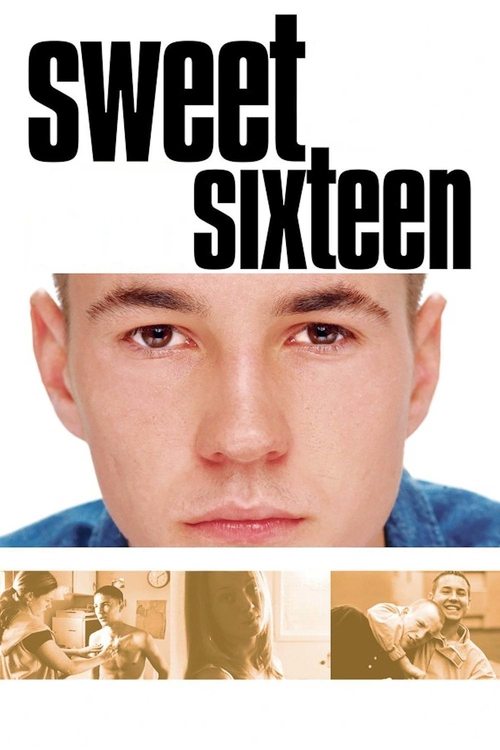
Sweet Sixteen
2002
No user ratings available yet
Representation score: 7.3 out of 10
Representation Score
Good
1998
RDirector
Ken Loach
Runtime
105 minutes
Average Rating
No ratings yetNew Showbiz Analysis
Ken Loach uses his expertise in social realism to deconstruct neoliberal structures and class struggle. The film frames individual struggles, such as addiction, as symptoms of institutional neglect rather than personal flaws. While it lacks broad representation of LGBTQ+ identities and non-cisgender perspectives, it provides a nuanced look at how economic systems affect human ability to act. It challenges the traditional 'provider' role and critiques the market-driven economy.
Category Breakdown
The story focuses on a heterosexual relationship between Joe and Sarah, without engaging with LGBTQ+ identities or non-cisgender perspectives. It reflects the specific working-class setting.
The film challenges traditional masculine stereotypes by showing Joe's inability to provide stability. Sarah stands out who play a significant role in driving the story and intelligence, working in community health.
The narrative centers on a predominantly white working-class population. It avoids treating this group as a monolithic norm by highlighting their systemic vulnerabilities and socioeconomic challenges.
The film sharply criticizes Western capitalist institutions and oppressive state bureaucracies. It portrays addiction and family breakdown as systemic issues caused by economic hardship, rather than personal failings.
Joe’s battle with alcoholism explores invisible disabilities and mental health issues. The film avoids portraying these struggles as inspirational, focusing instead on the ongoing reality of chronic struggle.
Present on Screen
Limited or Absent
Official Synopsis
Two thirtysomethings, unemployed former alcoholic Joe and community health worker Sarah, start a romantic relationship in one of the toughest Glasgow neighbourhoods.
2002

1991

1997
1994

1993
1996

1994

2004
No reviews yet. Be the first to share your thoughts on this movie!
Use the rating form above to leave a star rating and optional review.