
Black Christmas
1974
No user ratings available yet
Representation score: 5.0 out of 10

Representation Score
Limited
1978
Not RatedDirector
John Carpenter
Runtime
97 minutes
Average Rating
No ratings yetNew Showbiz Analysis
John Carpenter’s thriller centers on a female protagonist, providing a degree of gendered ability to act and meaningful female-to-female dialogue. However, the film is a product of its era, presenting a highly homogeneous cast. The lack of racial, LGBTQ+, or disability representation results in a narrow social scope that ignores the way different parts of someone's identity overlap. The narrative focuses almost exclusively on individual privacy and urban paranoia, offering little engagement with broader cultural, religious, or systemic social dynamics.
Category Breakdown
The film lacks LGBTQ+ characters or narratives. It focuses strictly on a gendered experience of harassment within a traditional social framework.
Alice serves as a central protagonist whose role is tested by privacy violations. The film passes the Bechdel test through female-centric dialogue regarding the protagonist's safety.
The cast is predominantly white and homogeneous. The narrative does not utilize race as a variable in its exploration of paranoia or social dynamics.
The story operates within a conventional Western framework centered on urban living. It lacks significant religious or anti-capitalist themes, adhering to standard suspense clichés.
There are no prominent depictions of physical or neurodivergent disabilities. Character experiences are defined by social and physical environments rather than disability-related ability to act.
Present on Screen
Limited or Absent
Official Synopsis
A young woman moves to a high-rise apartment building and soon begins to be tormented by an unknown stalker who seems to know her every move.
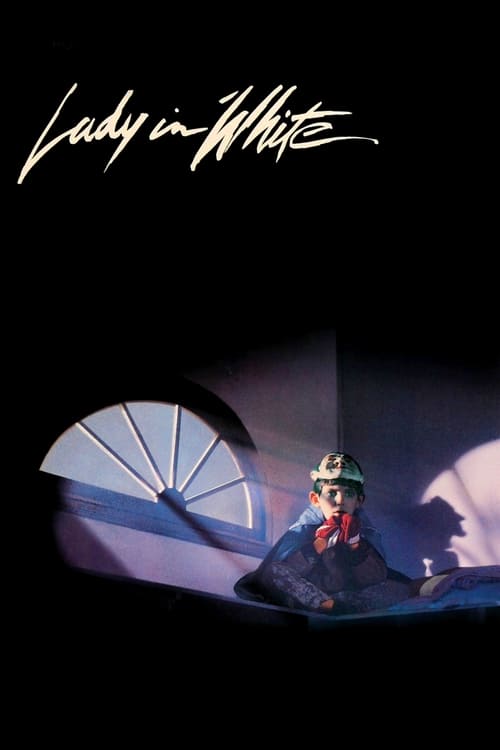
1974
1988
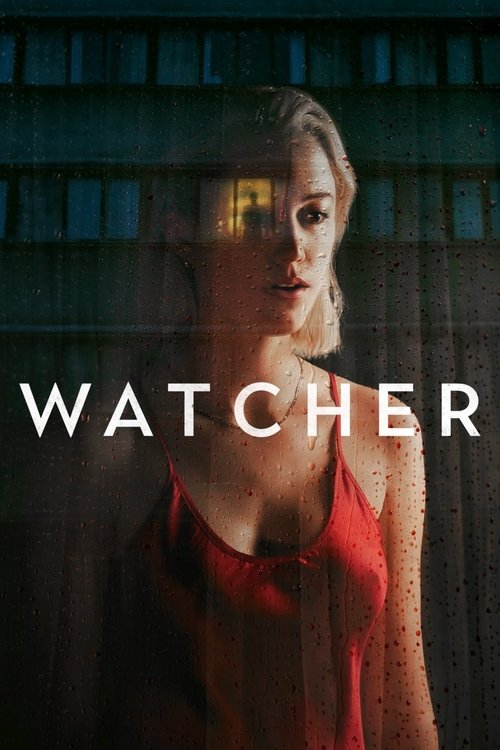
2022

1977
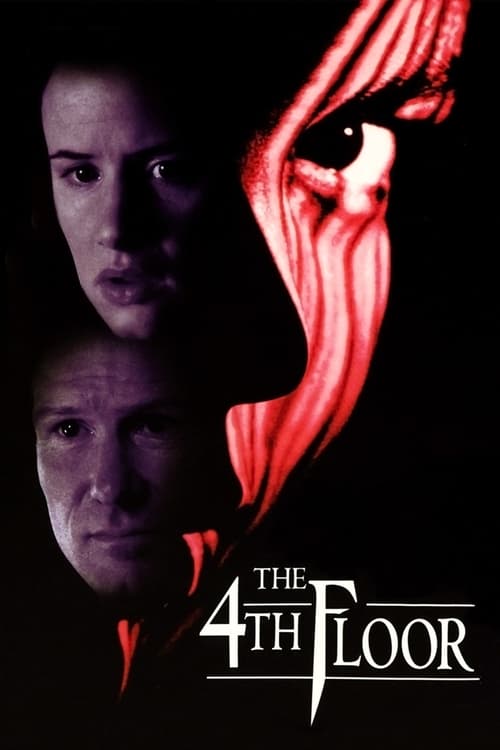
1999
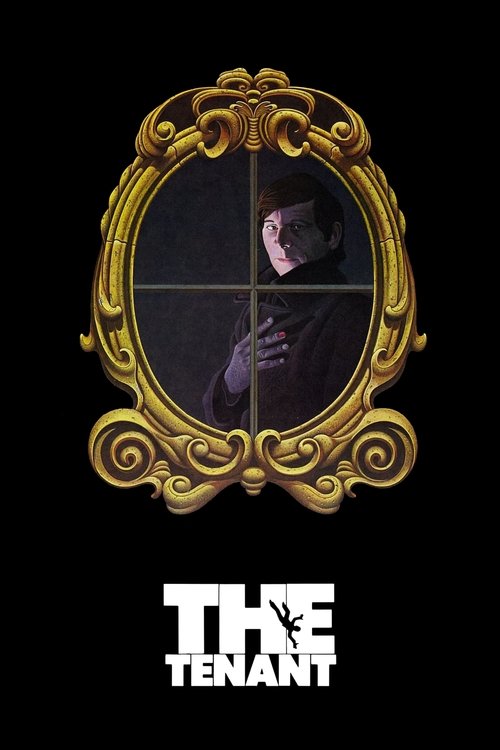
1976

1982
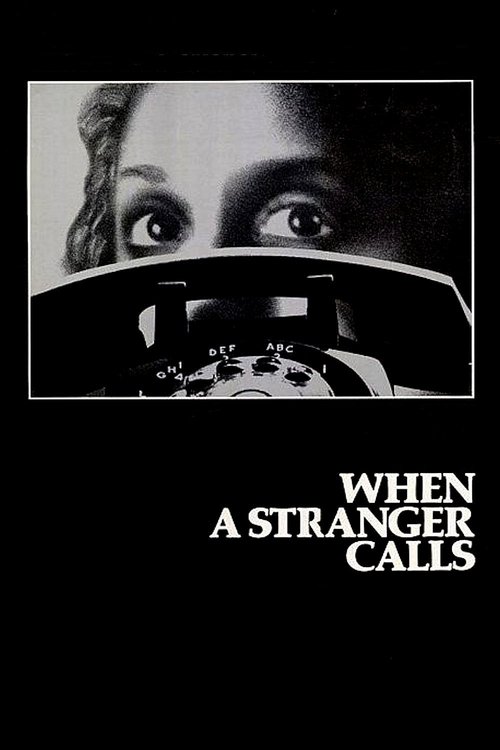
1979
No reviews yet. Be the first to share your thoughts on this movie!
Use the rating form above to leave a star rating and optional review.