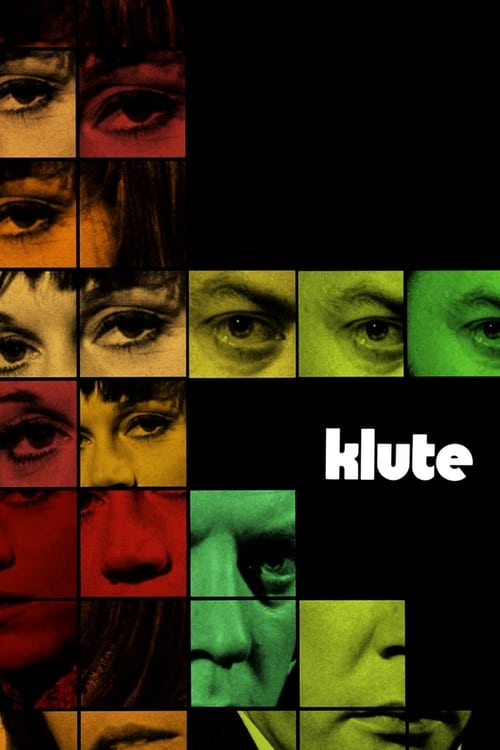
Klute
1971
No user ratings available yet
Representation score: 6.9 out of 10
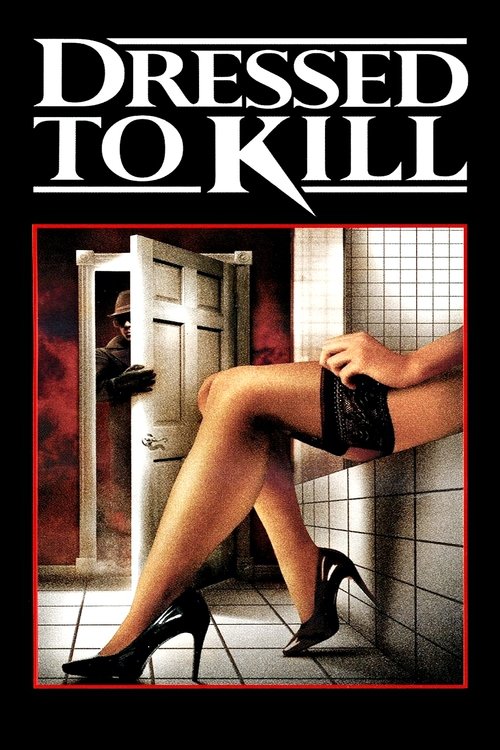
Representation Score
Fair
1980
RDirector
Brian De Palma
Runtime
105 minutes
Average Rating
No ratings yetNew Showbiz Analysis
Dressed to Kill is a sophisticated postmodern thriller that challenges traditional gender roles by emphasizing female subjectivity and psychological autonomy. However, its impact on progressive representation is limited due to its narrow demographic focus, which centers on a homogeneous social landscape. While the film provides a nuanced exploration of female psychology and mental instability, it does not significantly address racial, ethnic, or LGBTQ+ diversity.
Category Breakdown
The film does not explicitly depict non-straight relationships or same-sex intimacy. It explores fragmented identities through a psychoanalytic lens rather than focusing on queer identities.
The film challenges traditional gender roles by emphasizing the internal psychological experiences and active roles of its female characters.
The film focuses mainly on white characters in an urban New York setting, lacking diverse ethnic or racial backgrounds.
The film centers on the instability of individual psyches and a chaotic urban environment, avoiding traditional Western institutional stability without critiquing social or religious institutions.
Mental health issues and psychological fragmentation are central to the plot, serving mostly as tools for suspense and horror rather than exploring lived experiences.
Present on Screen
Limited or Absent
Official Synopsis
After witnessing a mysterious woman brutally slay a homemaker, prostitute Liz Blake finds herself trapped in a dangerous situation. While the police thinks she is the murderer, the real killer is intent on silencing her only witness.
1971
1973

1992

1960
1954
1978
1976
1944
No reviews yet. Be the first to share your thoughts on this movie!
Use the rating form above to leave a star rating and optional review.