
On the Road of Immortality
1957
No user ratings available yet
Representation score: 6.2 out of 10
Representation Score
Fair
1963
Director
Cui Wei, Hongying Ouyang
Average Rating
No ratings yetNew Showbiz Analysis
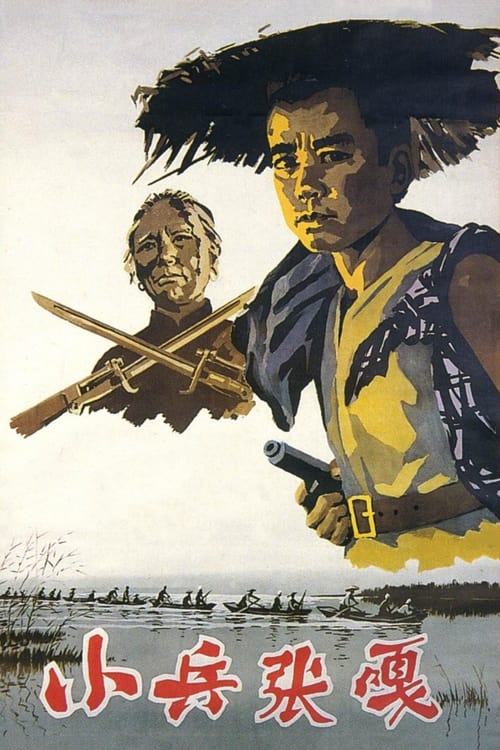
Zhang Ga the Soldier Boy is a piece of revolutionary cinema that emphasizes collective struggle over individualist frameworks. It successfully critiques imperialist hierarchies and traditional class structures, presenting a narrative focused on systemic resistance. However, the film lacks modern markers of diversity such as LGBTQ+ identities or neurodivergent characters. It also does not provide visibility for these identities or characters.
Category Breakdown
The film does not include any LGBTQ+ characters or identities that challenge the assumption that everyone is straight or cisgender. The narrative centers on the revolutionary struggle without addressing these identities.
Women play significant roles in the resistance movement, but their actions are often tied to the broader revolutionary cause rather than their own personal ability to act. The film follows the structural norms of its time period.
The cast is predominantly of a single ethnic background. Diversity is shown through a national identity perspective against foreign invaders rather than through multiple ethnic backgrounds.
The film criticizes established power structures and traditional hierarchies, emphasizing collective revolutionary morality over Western-centric individualist ethics.
There are no characters with physical or neurodivergent disabilities playing central roles or having primary plot arcs.
Present on Screen
Limited or Absent
1957
1961
1962
1959
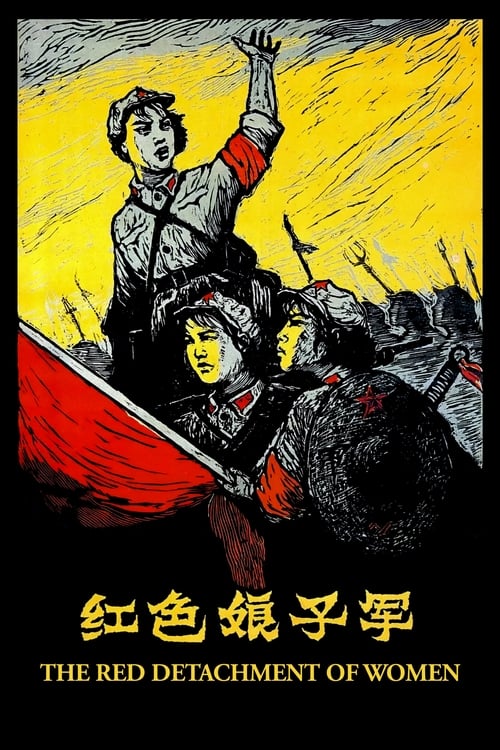
1961
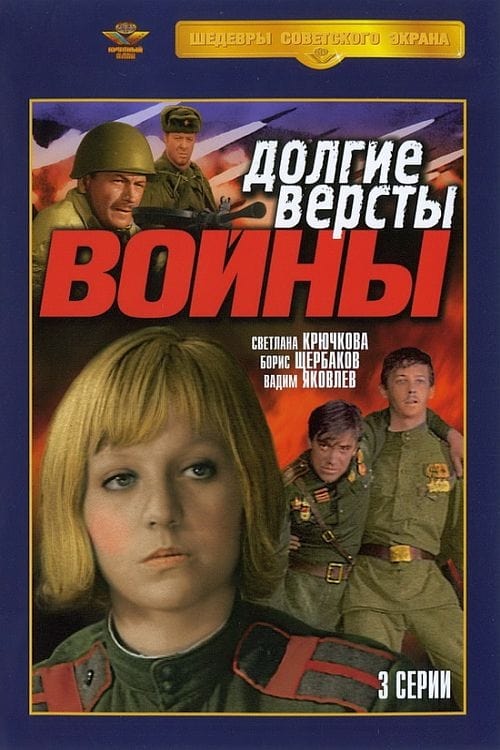
1976
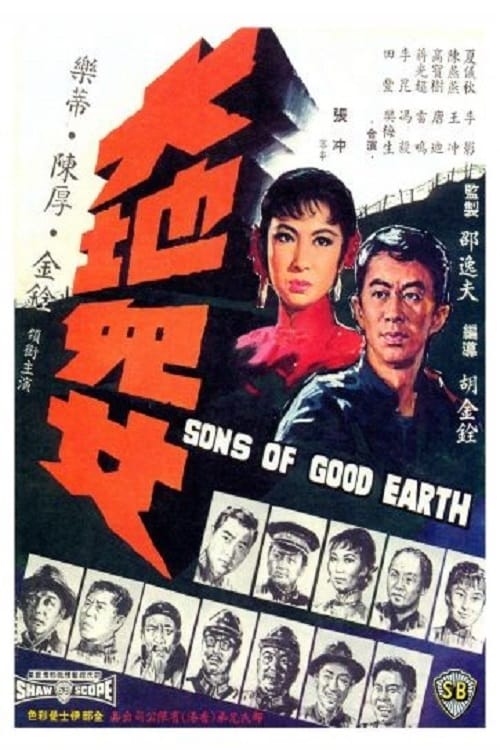
1965
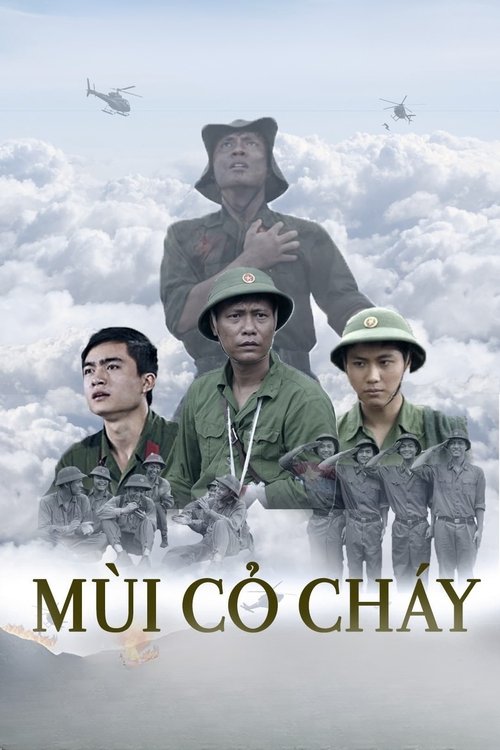
2012
No reviews yet. Be the first to share your thoughts on this movie!
Use the rating form above to leave a star rating and optional review.