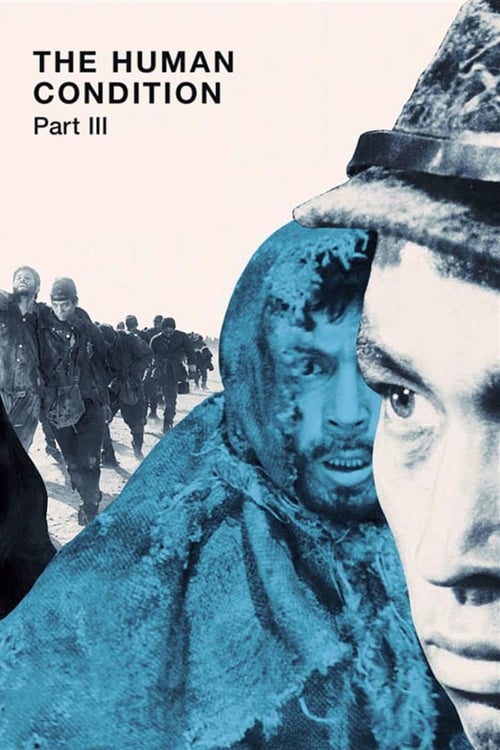
The Human Condition III: A Soldier's Prayer
1961
No user ratings available yet
Representation score: 6.1 out of 10
Representation Score
Fair
1959
Not RatedDirector
Masaki Kobayashi
Runtime
178 minutes
Average Rating
No ratings yetNew Showbiz Analysis
Masaki Kobayashi presents a sophisticated film that exposes the mechanisms of systemic oppression. Instead of glorifying nationalism, the film uses its wartime setting to reveal the moral dysfunction of the military establishment. The work stands out with its layered critique of colonialism and state power. By focusing on the suffering of colonized populations, it redefines the traditional war epic to emphasize individual dignity. However, the film is limited by its mid-century context, especially concerning traditional gender roles and the absence of queer identities. Additionally, the portrayal of disability is centered around the effects of violence rather than exploring personal experiences.
Category Breakdown
The film focuses on the traditional romantic relationship between Kaji and Michiko. There are no representations of non-straight or non-cisgender identities, nor any queer undertones.
Gender roles in the film reflect the era's division between male soldiers and female domestic figures. The movie avoids idealizing these roles by showing the mental strain of militarism on families.
The film provides a critical look at the Japanese occupation of Manchuria, focusing on the brutal treatment of Chinese civilians. It challenges typical war epic narratives by highlighting the suffering of colonized peoples.
The story critiques the military-industrial complex and blind patriotism. It portrays the state as oppressive while emphasizing the suffering of the working class and peasants.
The film depicts physical and psychological trauma as reflections of systemic violence. The focus is on the protagonist's resilience rather than exploring specific lived experiences of disability or neurodivergence.
Present on Screen
Limited or Absent
Official Synopsis
Kaji, sent to the Japanese army labeled Red, witnesses cruelties in the army and revolts against the abusive treatment against a fellow recruit. He also sees his friend Shinjô defecting to the Russian border, and he ends in the front to fight a lost battle against the Russian tanks division.
1961
1959
1960
1950

1974
1965

2005

2023
No reviews yet. Be the first to share your thoughts on this movie!
Use the rating form above to leave a star rating and optional review.