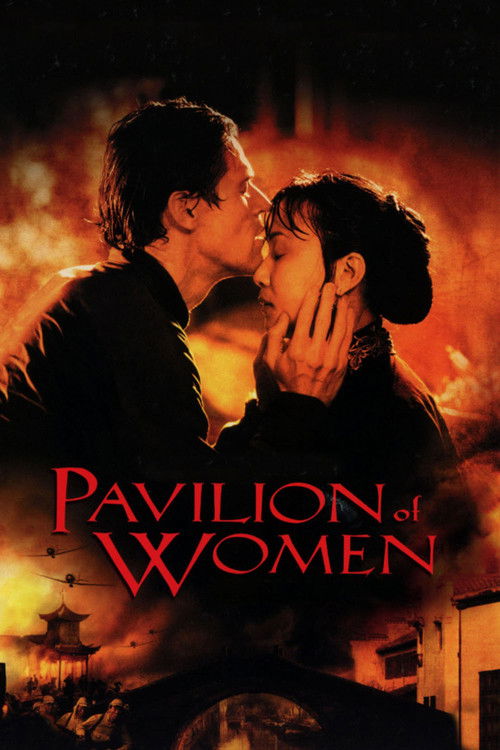
Pavilion of Women
2001
No user ratings available yet
Representation score: 4.1 out of 10

Representation Score
Fair
1965
Director
King Hu
Runtime
107 minutes
Average Rating
No ratings yetNew Showbiz Analysis
King Hu’s work centers on the intersection of gendered exploitation and national crisis. By focusing on the lived experiences of characters navigating systemic oppression during the 1937 Japanese invasion, the film avoids simplistic historical archetypes. The narrative succeeds in prioritizing indigenous perspectives and exploring the impact of political upheaval on social hierarchies. It uses the character of He Hua to highlight the vulnerabilities created by economic and political instability. However, the film’s reliance on traditional romantic structures and the lack of visible LGBTQ+ or disability representation limit its broader diversity scope. The focus remains primarily on class and gendered struggle.
Category Breakdown
The film does not explicitly confirm any LGBTQ+ characters or non-straight relationships. It follows a traditional romantic storyline focused on the three main characters.
He Hua starts as a passive subject within a system that victimizes her, but her interactions with the painters hint at a shift towards becoming an active participant.
The film emphasizes non-Western perspectives by centering on Chinese narratives during a period of foreign invasion. It highlights the experiences of a population facing imperialist aggression.
Set on the eve of a major invasion, the story addresses themes of systemic corruption and social fragility. It examines how political instability affects vulnerable members of society.
There are no characters with visible or invisible disabilities in the narrative.
Present on Screen
Limited or Absent
Official Synopsis
The year is 1937, just prior to the Japanese invasion of China. Painters Ju Rui and Lao San stumble upon He Hua, a woman sold into the sex industry at a local brothel.
2001
1955
1966
1958

1956
1988
1956

1953
No reviews yet. Be the first to share your thoughts on this movie!
Use the rating form above to leave a star rating and optional review.