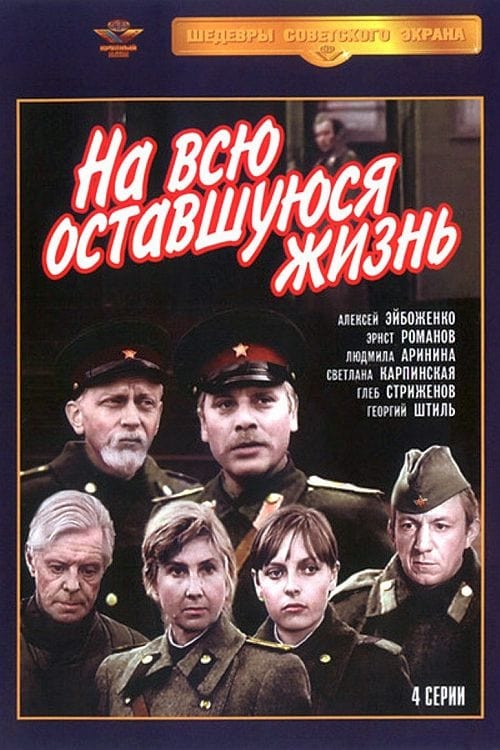
For the Rest of My Life
1975
No user ratings available yet
Representation score: 4.1 out of 10
Representation Score
Fair
1976
Director
Alexander Karpov
Average Rating
No ratings yetNew Showbiz Analysis
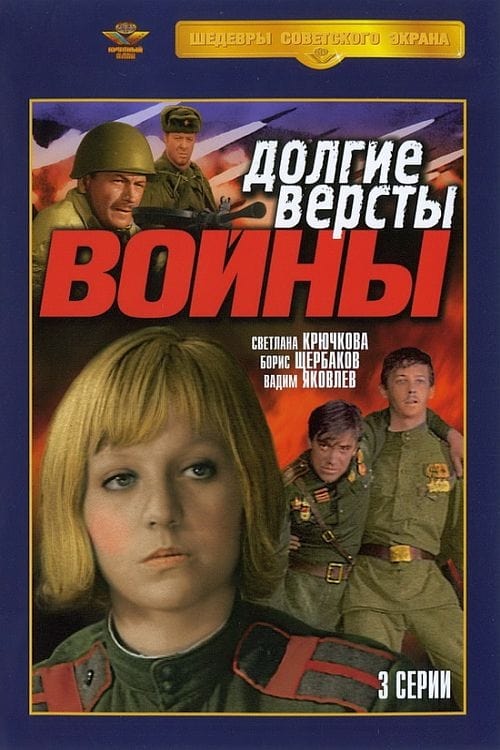
Long Miles of War is a product of the mid-1970s Soviet cinematic tradition, which emphasizes state-sanctioned ideology and masculine-centric heroism. The film adheres to the standard conventions of the war drama genre, focusing on collective struggle and traditional social structures. Due to its alignment with the era's institutional values, the film lacks multi-layered complexity. Its narrative architecture is centered on the Slavic experience and traditional gender roles without attempting to challenge established hierarchies. Ultimately, the film serves as a reflection of its time, emphasizing patriotism and the costs of conflict through a narrow, conventional lens.
Category Breakdown
The film does not include any LGBTQ+ characters or stories that challenge the assumption that everyone is straight or cisgender. It reflects the traditional social structures typical of 1970s Soviet war dramas.
The story centers around male-driven combat and leadership. Women appear in supporting roles, likely following traditional hierarchies without challenging them.
The story reflects a homogeneous ethnic perspective common to the genre. It lacks intentional racial blending or diverse ethnic representation.
The film prioritizes collective struggle and state-oriented patriotism. It operates within a framework of state-sanctioned morality rather than modern progressive values.
Physical injuries serve as a plot device to highlight the cost of war. Characters with disabilities have limited roles and may serve merely functional purposes.
Present on Screen
Limited or Absent
1975
1959
1965
1961

1957
1970
1986
1962
No reviews yet. Be the first to share your thoughts on this movie!
Use the rating form above to leave a star rating and optional review.