Stalag Luft
1993
No user ratings available yet
Representation score: 2.9 out of 10
Representation Score
Limited
1977
TV-14Director
Jim Franklin
Runtime
30 minutes
Average Rating
No ratings yetNew Showbiz Analysis
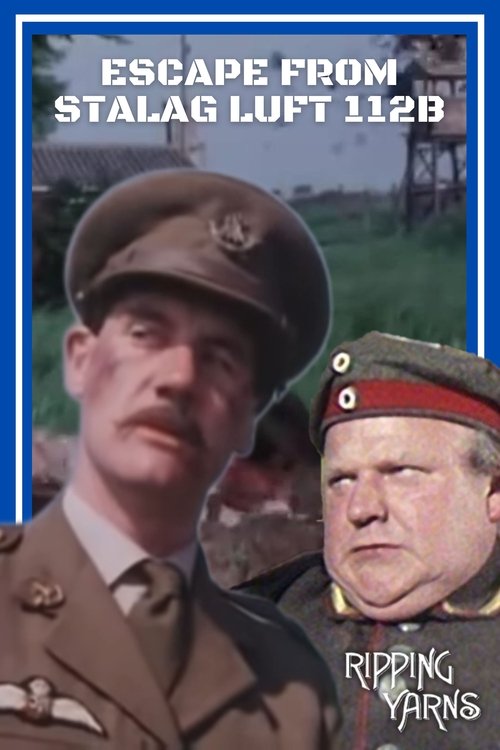
Escape from Stalag Luft 112B is a period comedy that centers on a traditional male protagonist, Major Errol Phipps. The narrative explores his obsessive and ultimately futile attempts to escape a prisoner-of-war camp during World War I. While the film presents a unique, absurdist take on the 'hero's journey' by challenging typical wartime narratives, it remains focused on a single male perspective within a likely homogeneous military structure. This limits the film's characters who reflect more than one aspect of diversity. Ultimately, the film serves as a character study of obsession rather than a diverse ensemble piece, adhering closely to conventional historical frameworks.
Category Breakdown
The film does not include any LGBTQ+ characters or themes related to sexual orientation or gender identity.
The story focuses on a male protagonist, Major Errol Phipps, in a military setting. It does not feature any female characters or challenge traditional gender roles.
The setting and character names suggest a Western, predominantly white historical context. The narrative lacks characters from diverse racial backgrounds with significant roles.
The film deconstructs traditional heroism by presenting the protagonist's obsession as a failure. This absurdist approach challenges standard wartime clichés through a critique of rigid duty.
There are no characters with visible or invisible disabilities. The synopsis does not mention any neurodivergence or mental health conditions.
Present on Screen
Limited or Absent
Official Synopsis
During World War I Major Errol Phipps is determined to escape from Stalag Luft 112B but his attempts all fail. However all the other prisoners and the guards succeed, leaving him alone in the camp to make elaborate plans - including a tunnel system so extensive it becomes the Munich Underground. He is so obsessed with his escape plans he fails to realize that the war has ended and dies a disappointed man. He does however manage to escape from his grave after he has been buried though.
1993

1973

1986
1966

1969

1949
1965

1938
No reviews yet. Be the first to share your thoughts on this movie!
Use the rating form above to leave a star rating and optional review.