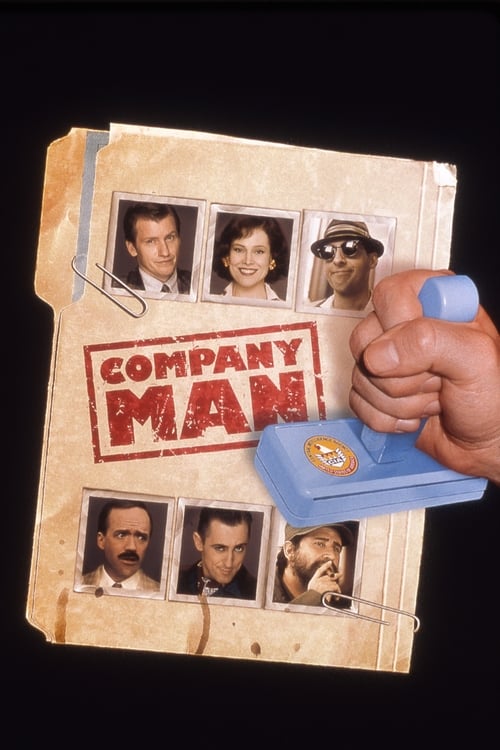
Company Man
2000
No user ratings available yet
Diversity score: 2.8 out of 10
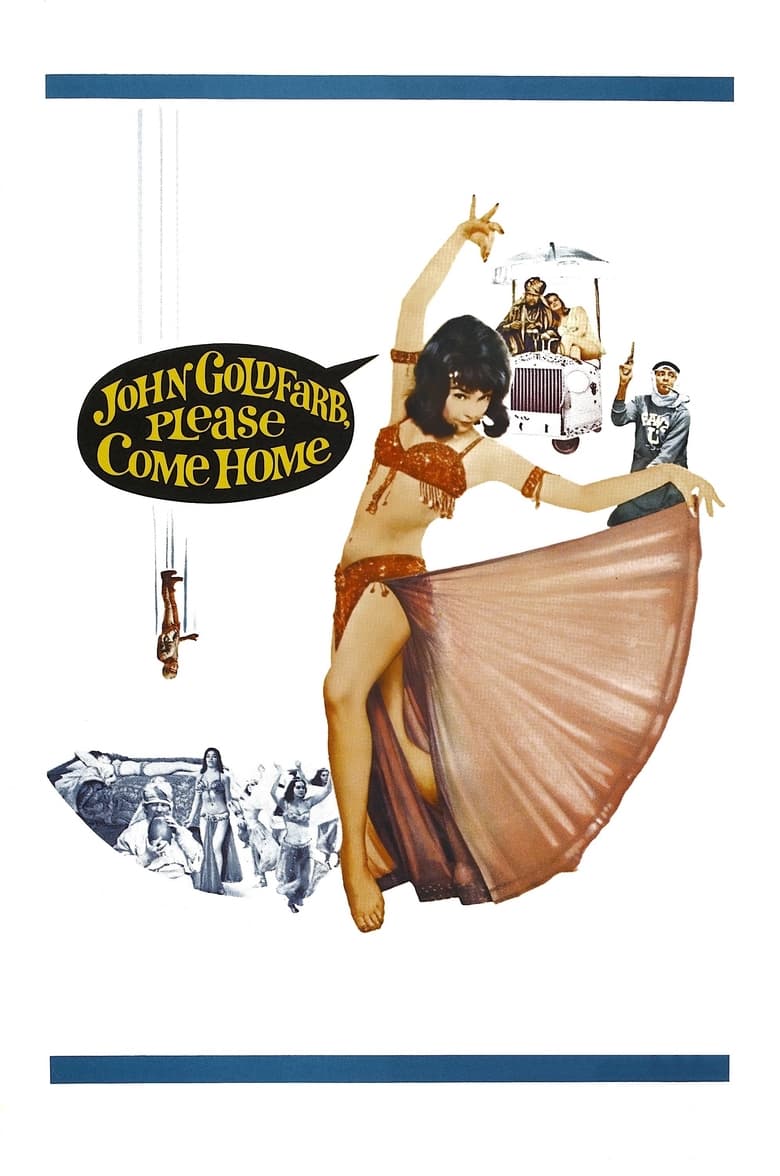
1965
Director
J. Lee Thompson
Runtime
96 minutes
Average Rating
No ratings yetSynopsis
During the Cold War, John Goldfarb crashes his spy plane in the Middle East and is taken prisoner by the local government. His captor, King Fawz, soon discovers that Goldfarb used to be a college football star. So he issues him an ultimatum: coach his country's football team, or Fawz will surrender him to the Russians. Goldfarb teams up with undercover reporter Jenny Ericson, and together they plot to escape their dangerous situation.
Overall Score
Limited
Category Breakdown
LGBTQ+ Representation
The film lacks LGBTQ+ characters and does not engage with non-heteronormative identities. Romantic dynamics remain strictly within a traditional heteronormative framework.
Gender Representation
Jenny Ericson serves as a central figure, but her role is largely defined by her occupation and relationship to the male lead. Agency remains concentrated in the male protagonist.
Racial & Ethnic Diversity
A diverse supporting cast provides visual variety through international locales. However, the film operates within colonial-era tropes rather than disrupting them.
Religious & Cultural Diversity
The narrative reinforces Western institutional values and individualistic pursuits. It avoids critiques of Western hegemony or religious institutions, maintaining a localized adventure morality.
Disability Representation
There are no depictions of physical or neurodivergent disabilities. Characters adhere to able-bodied archetypes throughout the story.
Strengths
Areas for Improvement
AI Analysis
This 1965 adventure-comedy functions as a standard mid-century entertainment piece. It prioritizes conventional social hierarchies and Western-centric storytelling, reflecting the cinematic norms of its era. While the international setting offers some geographic and ethnic variety, the film lacks the intentionality to subvert established tropes. It reinforces prevailing cultural norms rather than challenging them. The narrative architecture relies heavily on traditional archetypes, particularly regarding gender and Western-centric motivations, resulting in a lack of intersectional depth.
2000
1967

1994
1954
1965
1966
1969
1970
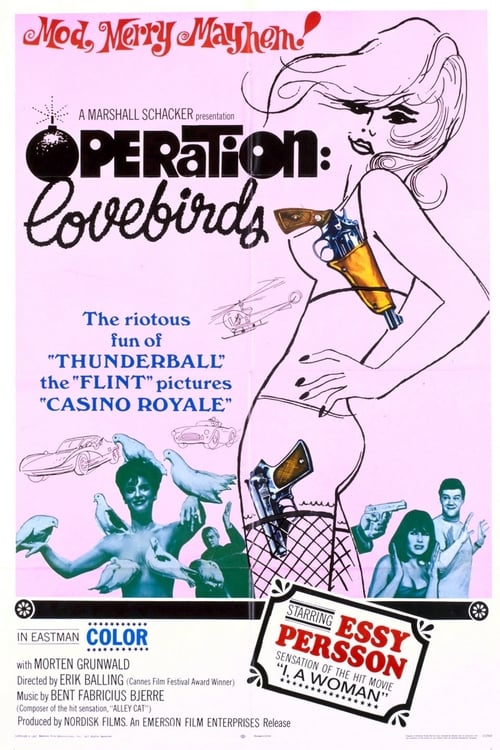
1965
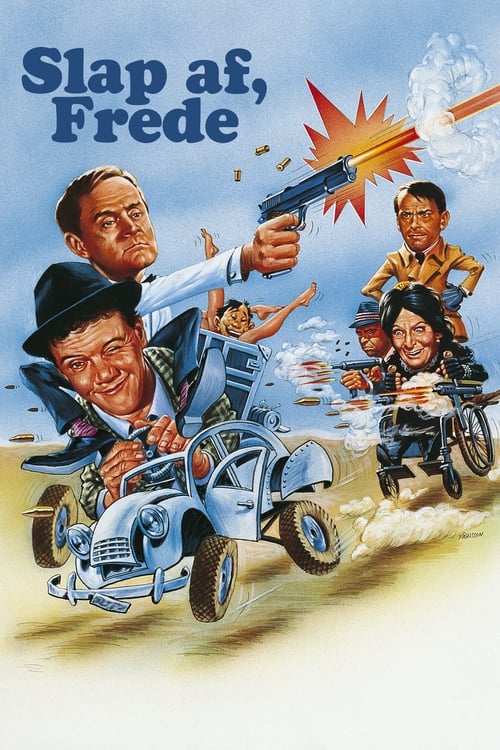
1966
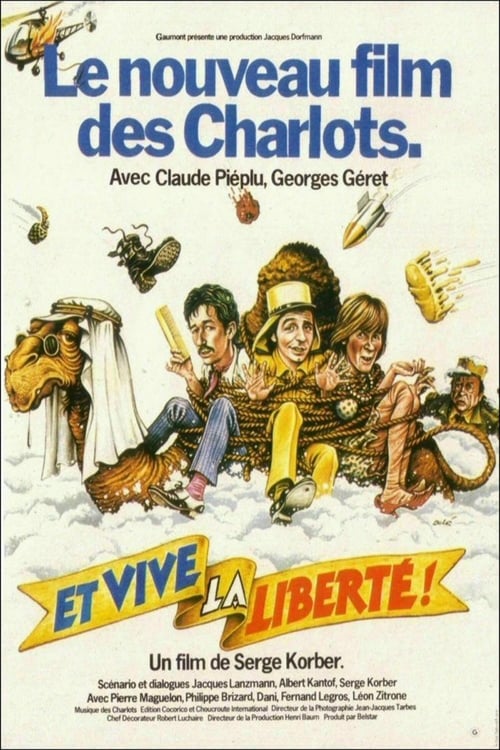
1978
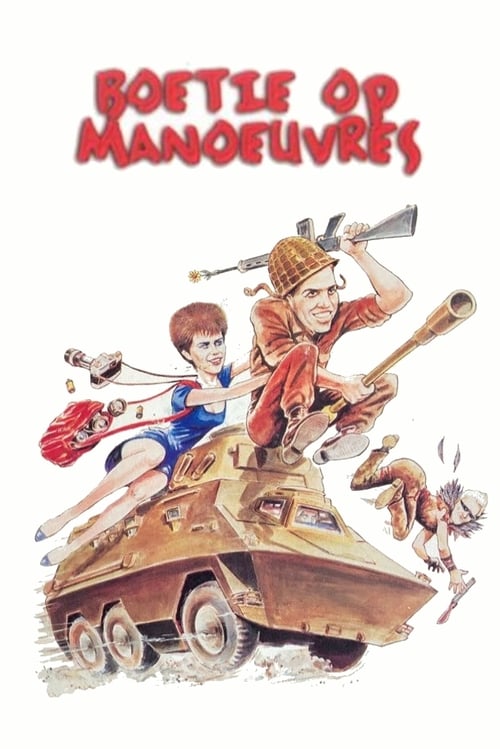
1985
No reviews yet. Be the first to share your thoughts on this movie!
Use the rating form above to leave a star rating and optional review.