So You Think You're Allergic
1945
No user ratings available yet
Representation score: 1.7 out of 10
Representation Score
Minimal
1947
ApprovedDirector
Phil Karlson
Runtime
70 minutes
Average Rating
No ratings yetNew Showbiz Analysis
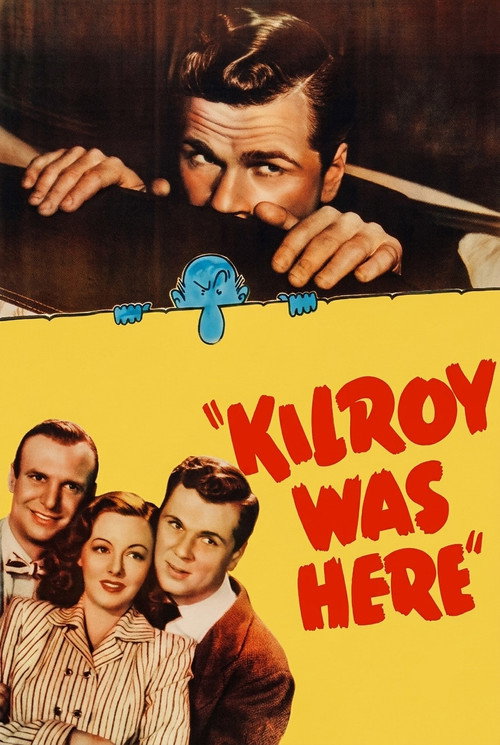
Kilroy Was Here is a classic example of mid-century crime cinema, relying heavily on established genre conventions. The film prioritizes traditional noir archetypes over diverse representation. Its narrative structure reinforces conventional social hierarchies without challenging them. By focusing on individual criminality and the restoration of order, the film stays within the moral and social norms of its time. Overall, the production lacks the intention to break from the era's social norms, resulting in a film that reflects the homogeneous and narrow perspective of post-war American urban life.
Category Breakdown
The film does not include any characters with non-binary gender identities or same-sex relationships. It assumes everyone is straight and cisgender.
Women play key roles but often fit into traditional gender stereotypes like the femme fatale. Their influence is often tied to romantic situations rather than structural leadership.
The cast appears mostly white, reflecting the urban demographics of the post-war era. There are no characters of color with significant roles.
The story focuses on individual morality and urban crime within a traditional Western framework. It emphasizes restoring order over critiquing cultural values.
The film does not feature any characters with visible or invisible disabilities. Disability is not used as a theme or for character development.
Present on Screen
Limited or Absent
Official Synopsis
"Kilroy Was Here" was a popular expression during World War II, but it's not much fun to John J. Kilroy, who has to try to live with all the jokes and wisecracks regarding his name.
1945

1938
1940

1955
1960

1942
1943
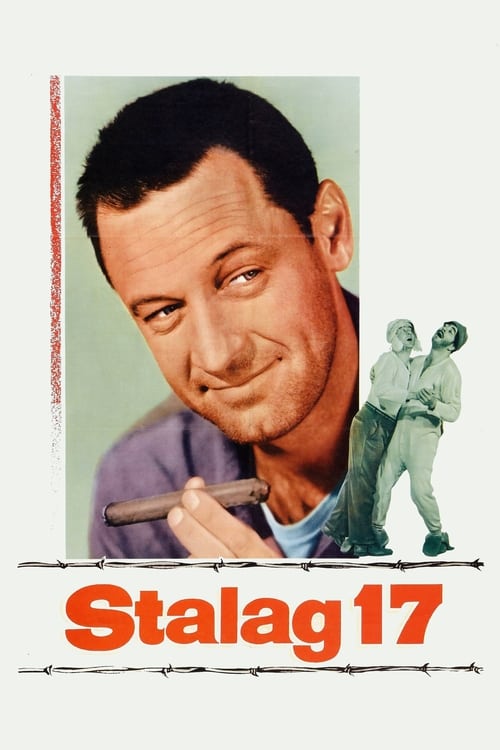
1953
No reviews yet. Be the first to share your thoughts on this movie!
Use the rating form above to leave a star rating and optional review.