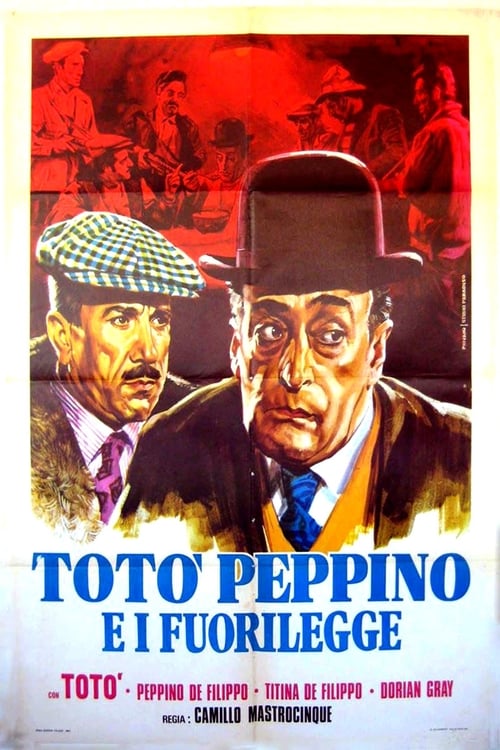
Totò, Peppino e i fuorilegge
1956
No user ratings available yet
Diversity score: 2.9 out of 10
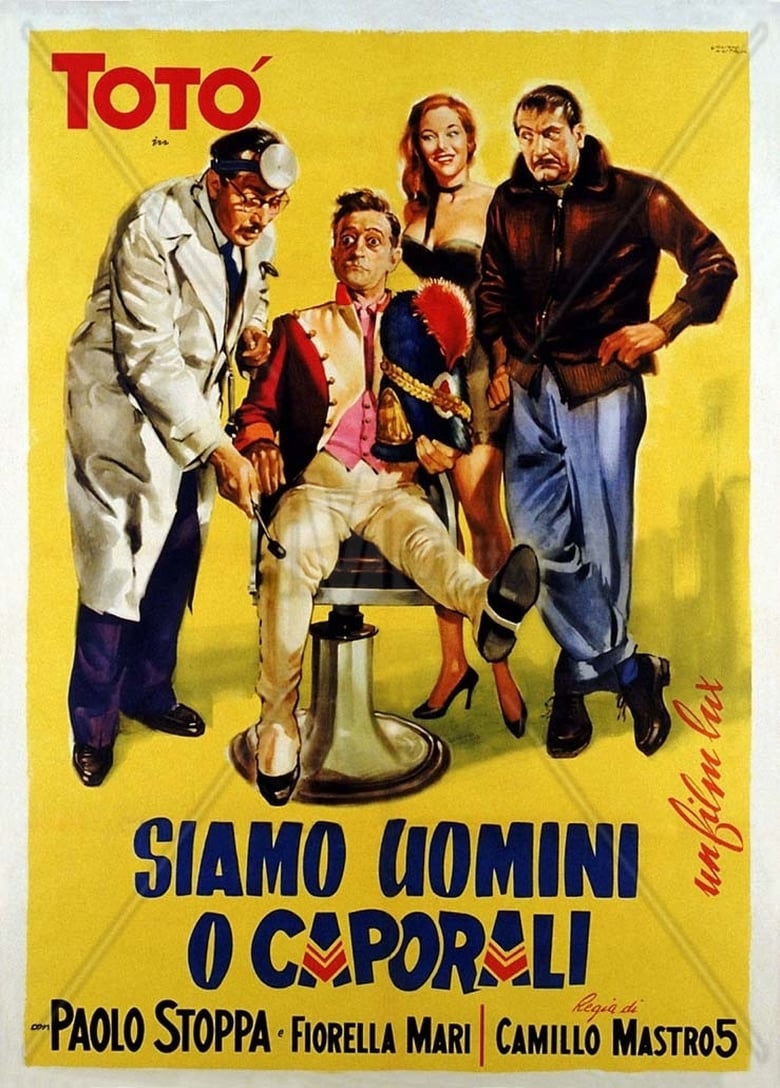
1955
Director
Camillo Mastrocinque
Runtime
92 minutes
Average Rating
No ratings yetSynopsis
These are the years of the Second World War, and Toto is imprisoned in a concentration camp, suffering the harassment of Colonel Hammler, a Nazi cruel and despotic.
Overall Score
Fair
Category Breakdown
LGBTQ+ Representation
The film lacks any evidence of non-cisnormative identities or same-sex intimacy. The narrative adheres to the heteronormative structures typical of 1950s military comedies.
Gender Representation
The story centers on male experiences within a wartime military hierarchy. There is little evidence of female agency or the subversion of traditional gender roles.
Racial & Ethnic Diversity
Representation is framed through wartime geopolitics rather than multi-ethnic intersectionality. The conflict focuses on the struggle against a specific oppressive Nazi regime.
Religious & Cultural Diversity
The film critiques fascist institutions by portraying Nazi leadership as cruel and despotic. It uses comedy to show the common man subverting rigid state structures.
Disability Representation
There is no indication that physical or mental disabilities play a role in the character arcs. No specific representation of neurodivergence is present.
Strengths
Areas for Improvement
AI Analysis
Are We Men or Corporals? is a period-specific social critique that prioritizes political subversion over demographic breadth. It uses the comedic lens to deconstruct authoritarianism and the resilience of the individual against systemic oppression. While the film succeeds in mocking the infallibility of military institutions, it lacks the intersectional complexity expected in modern cinema. The focus remains narrow, centered on the male-dominated environment of a concentration camp. Ultimately, the film's value lies in its moral relativism and its portrayal of the 'small man' fighting a corrupt regime, rather than its representation of marginalized social identities.
1956
1965
1960
1967
1971
1987

1965
1948
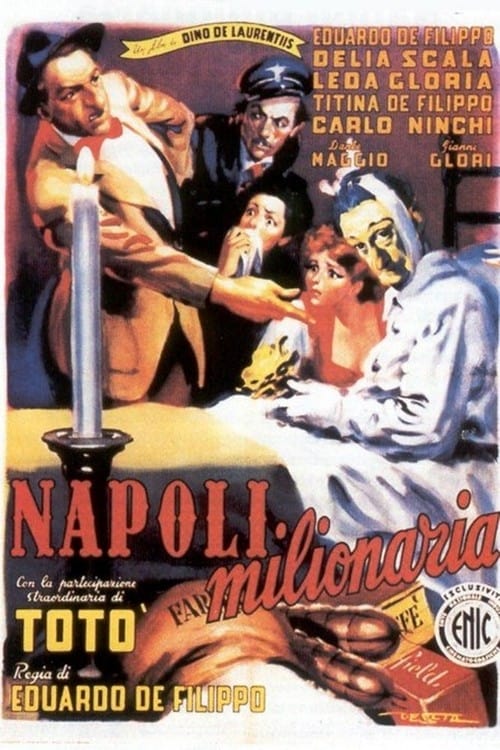
1950
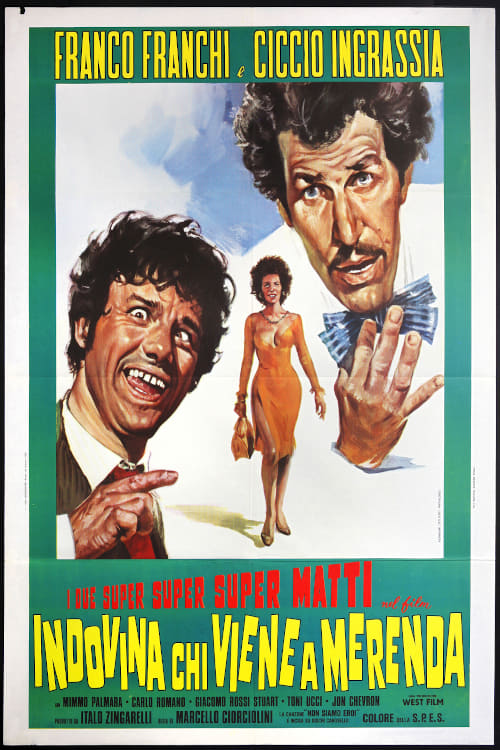
1969
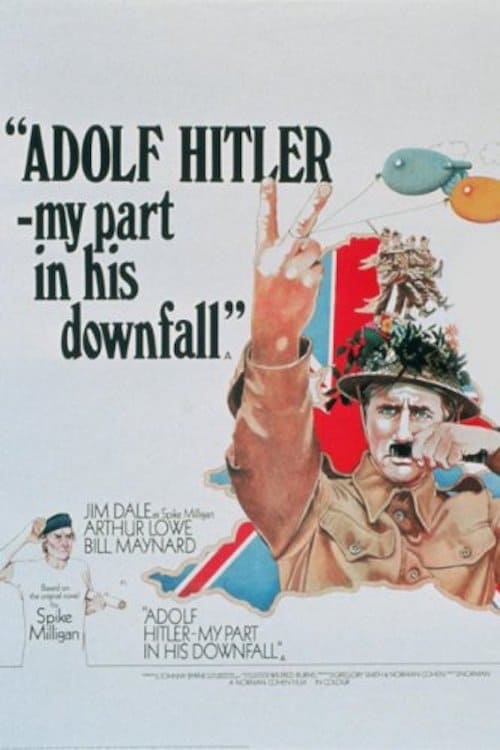
1973

1974
No reviews yet. Be the first to share your thoughts on this movie!
Use the rating form above to leave a star rating and optional review.