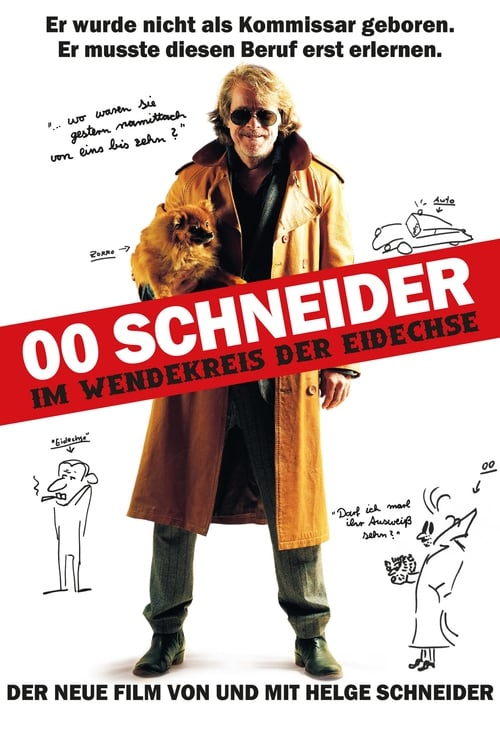
00 Schneider - Im Wendekreis der Eidechse
2013
No user ratings available yet
Diversity score: 5.1 out of 10
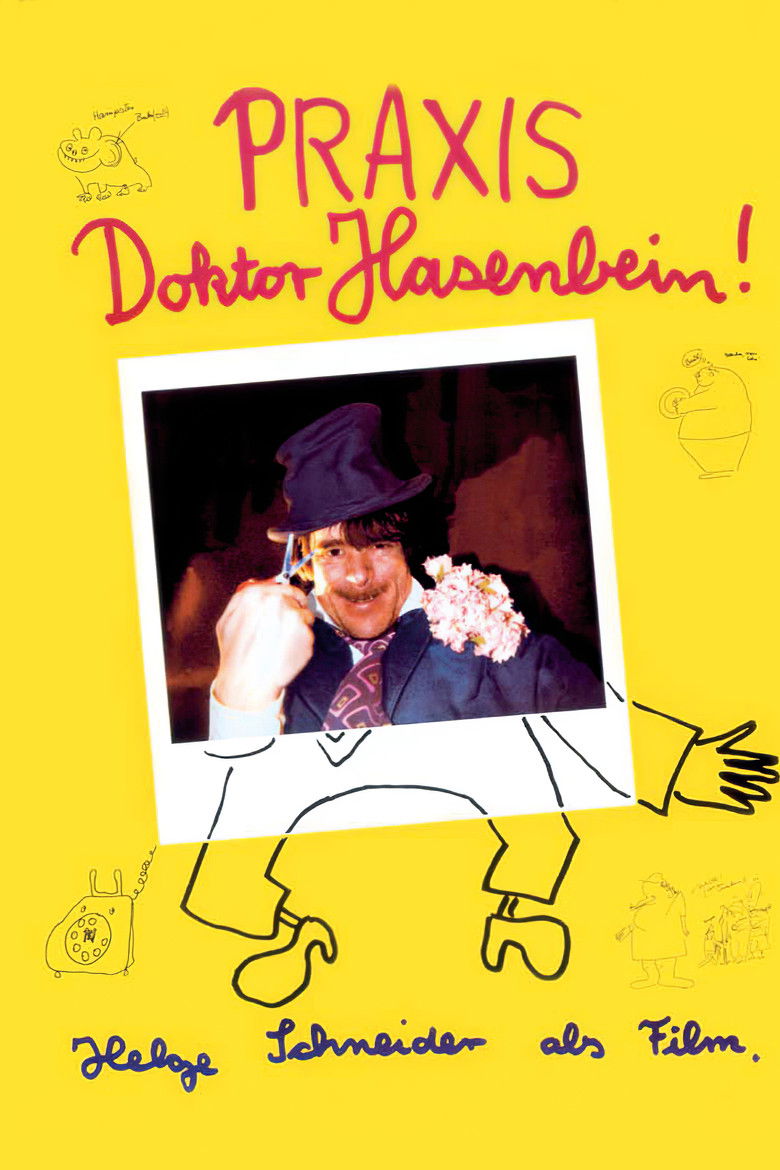
1997
Director
Helge Schneider
Runtime
97 minutes
Average Rating
No ratings yetSynopsis
Before WWII: Dr. Hasenbein lives with his son Peter in a small town. Aunt Uschi's orphanage houses many children and a hamster. When the hamster falls ill, Dr. Hasenbein is given something to do. The tailor, Mr. Voss, is also treated by Dr. Hasenbein: for tendinitis. During the war, Dr. Hasenbein has to go away. When he comes back after 30 years, everything has changed...
Overall Score
Limited
Category Breakdown
LGBTQ+ Representation
The film lacks explicit mention of LGBTQ+ characters or non-heteronormative identities. The narrative focuses on traditional familial structures and community figures without evidence of queer identity.
Gender Representation
The story centers on a male protagonist and his son, suggesting a patriarchal family structure. Female characters like Aunt Uschi appear to serve functional roles within domestic or communal spheres.
Racial & Ethnic Diversity
Set in a small-town European context across the WWII era, the film reflects the demographic homogeneity of the period. There is no evidence of diverse casting or racial metaphors.
Religious & Cultural Diversity
The plot explores historical shifts and the transformation of institutions like orphanages over thirty years. It follows a standard historical comedy framework rather than exploring specific secularist themes.
Disability Representation
Medical elements, such as treating tendinitis or a sick hamster, function as plot devices. There is no indication these scenes provide agency to characters with disabilities or explore neurodivergence.
Strengths
Areas for Improvement
AI Analysis
Helge Schneider’s absurdist comedy focuses on idiosyncratic character studies and historical continuity rather than intersectional representation. The narrative architecture relies on traditional European structures and patriarchal family dynamics. The film reflects the demographic homogeneity of its pre- and post-WWII setting. While it explores the decay of social orders through time, it does not intentionally disrupt systemic power dynamics. Ultimately, the work prioritizes surrealist humor over the promotion of identity-based representation or the subversion of traditional social hierarchies.
2013
1991
1969
2010
2004
1963
2010
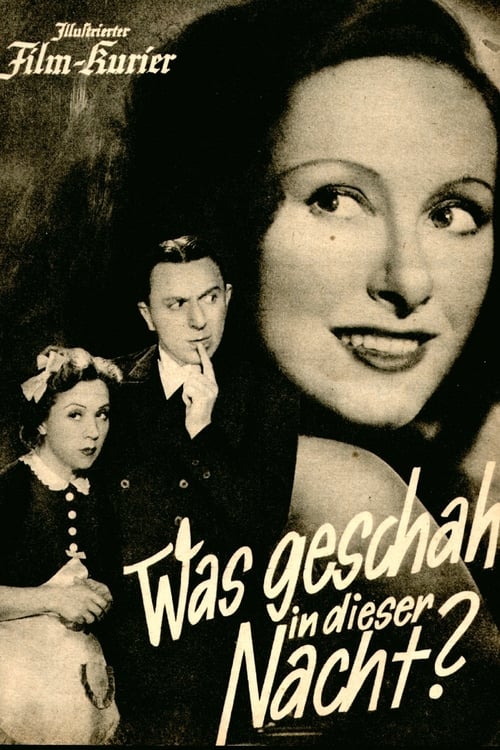
1941
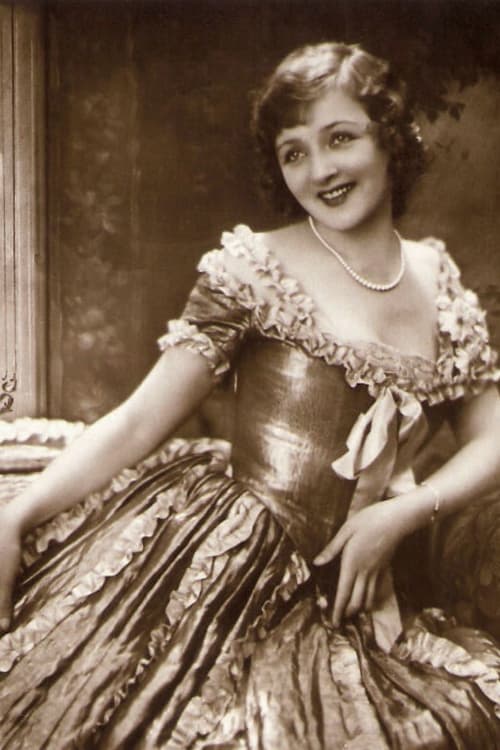
1926
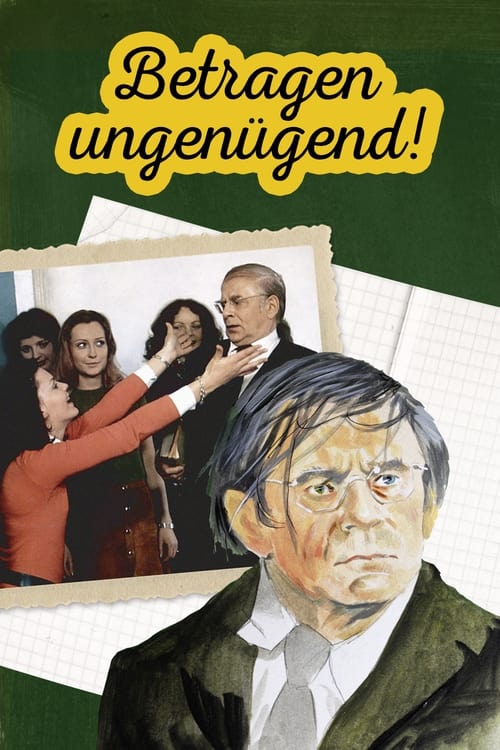
1972

1965
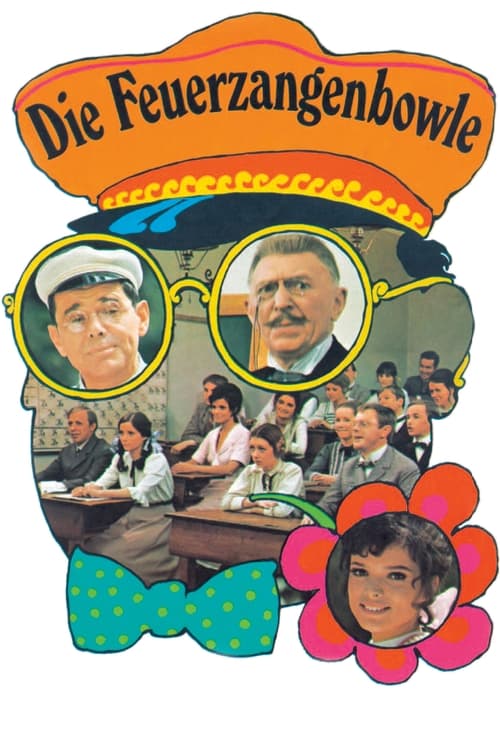
1970
No reviews yet. Be the first to share your thoughts on this movie!
Use the rating form above to leave a star rating and optional review.