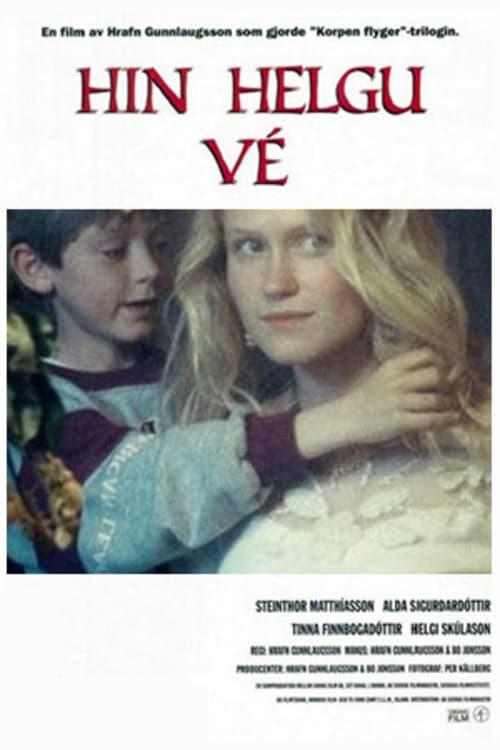
The Sacred Mound
1993
No user ratings available yet
Representation score: 2.0 out of 10
Representation Score
Fair
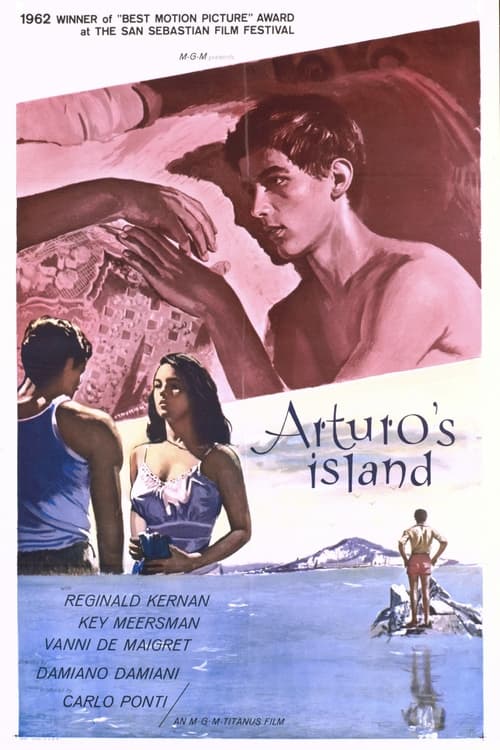
1962
UnratedDirector
Damiano Damiani
Runtime
90 minutes
Average Rating
No ratings yetNew Showbiz Analysis
Arturo's Island is a sophisticated study of power dynamics and psychological erosion. It uses its setting to challenge traditional social hierarchies and explore the complexities of adolescent intimacy. While the film provides a nuanced look at homoerotic tension and the trauma caused by authoritarianism, it remains limited by its era. The lack of racial diversity and women's ability to drive the story prevents a more inclusive perspective. Ultimately, the film's strength lies in its intellectual critique of authority, even though it remains anchored in a homogeneous, male-centric worldview.
Category Breakdown
The film examines adolescent development through strong, emerging sexuality and homoerotic tension among male characters, highlighting intimacy and vulnerability in a restrictive environment.
The story centers around male-dominated hierarchies and patriarchal authority, with few opportunities for women to play significant roles in driving the plot.
The cast is mostly made up of characters from similar backgrounds, reflecting the historical and geographical context of 1962 Italy. The film does not offer a broad range of racial perspectives.
The film criticizes rigid, authoritarian institutions by showing how strict rules can be psychologically harmful. It portrays rebellion against oppressive social orders as a natural reaction.
The story explores the psychological trauma and mental impact of institutionalization, but does not delve into specific disabilities or neurodiversity.
Present on Screen
Limited or Absent
Official Synopsis
A lonely teenage boy, living isolated on an island, idolizes his distant father. Complications arise when his father brings home a young new wife, whom the boy falls for, and a recently released criminal, entangled in a web of complex relationships.
1993

1957
1962

1961
1980
1946

1979
1937
No reviews yet. Be the first to share your thoughts on this movie!
Use the rating form above to leave a star rating and optional review.