La Voleuse
1966
No user ratings available yet
Representation score: 3.1 out of 10
Representation Score
Good
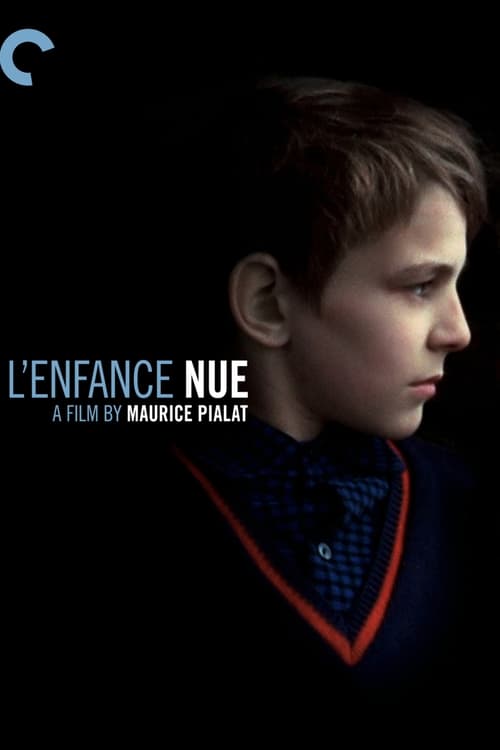
1969
Not RatedDirector
Maurice Pialat
Runtime
83 minutes
Average Rating
No ratings yetNew Showbiz Analysis
Maurice Pialat’s work excels in its deconstruction of traditional social structures and its refusal to impose a singular, didactic morality. By focusing on the failures of the family unit and the state, the film provides a sophisticated critique of Western institutions. However, the film is limited by its lack of explicit representation regarding LGBTQ+ identities and racial diversity. The narrative remains deeply rooted in a specific class-based, urban French context without intentional multi-layered blending. Ultimately, the film's strength lies in its gritty realism and its ability to portray the psychological complexities of neglected children, even if it lacks specific character arcs for disability or diverse ethnic backgrounds.
Category Breakdown
The film does not explicitly address non-straight or non-cisgender identities or same-sex relationships. Childhood social dynamics are fluid, but the narrative does not actively challenge the assumption that everyone is straight or cisgender.
Gender hierarchies are disrupted by focusing on the unscripted, chaotic interactions of children. Characters are defined by their environment and the challenges they face, rather than by traditional gender roles or performative masculinity or femininity.
The story centers on the socioeconomic realities of an urban French setting where certain groups are left out. It emphasizes class-based exclusion rather than a diverse, multi-ethnic community.
The film critiques Western institutions, portraying the family unit and social safety nets as inadequate. It frames anti-social behavior as a reaction to systemic neglect using moral relativism.
There is no explicit focus on specific disabilities. However, the protagonist's erratic behavior hints at the psychological impact of trauma and responses similar to neurodivergent conditions.
Present on Screen
Limited or Absent
Official Synopsis
Handed over to foster care by his mother—who's unwilling to give up permanent custody—the now-adolescent François understands that nothing in life is permanent, and his increasingly erratic actions reflect this knowledge.
1966

1983
2011
1967

1979

1961
2001
1994
No reviews yet. Be the first to share your thoughts on this movie!
Use the rating form above to leave a star rating and optional review.