
The Executioner II: Karate Inferno
1974
No user ratings available yet
Representation score: 3.0 out of 10
Representation Score
Good
1974
Director
Takashi Tsuboshima
Runtime
82 minutes
Average Rating
No ratings yetNew Showbiz Analysis
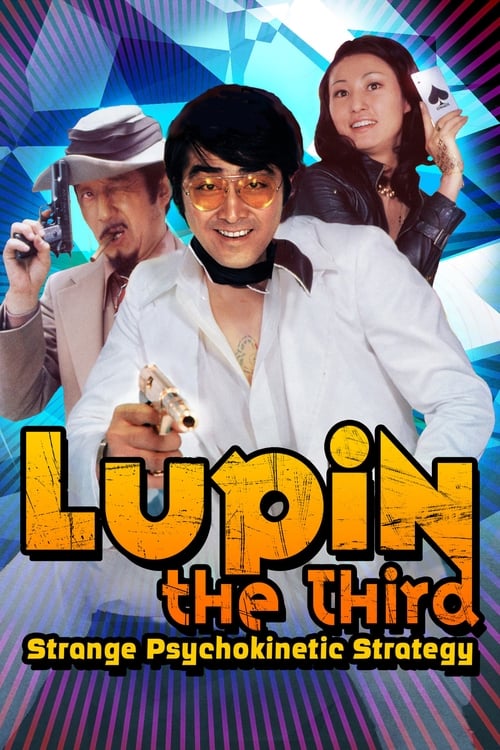
Lupin the Third: Strange Psychokinetic Strategy offers a complex look at personal control through its characters. While the demographic makeup remains largely traditional for its time and place, the film's thematic core challenges established social and moral structures. The strength of the work lies in its subversion of gender roles and its rejection of institutional authority. Fujiko Mine provides a rare example of female autonomy in a male-dominated genre, while the protagonists' lifestyle serves as a postmodern critique of law. However, the film lacks depth in its representation of identity. LGBTQ+ narratives are absent, and the use of psychokinetic abilities serves the plot rather than providing a meaningful look at disability or neurodivergence.
Category Breakdown
The film lacks explicit LGBTQ+ characters or non-straight relationship arcs. Interpersonal dynamics focus on the established tension between Lupin and Fujiko Mine, following conventional romantic clichés of the era.
Fujiko Mine subverts traditional hierarchies by playing a significant role in driving the story. She uses her intellect and sexuality to manipulate male protagonists, disrupting the typical damsel in distress archetype through her autonomy.
The cast is predominantly homogeneous, reflecting its 1970s Japanese production origins. While the aesthetic leans into a globalized spy-fi style, the specific setting lacks significant racial blending or diverse casting.
The narrative celebrates moral relativism and anti-authoritarianism. By centering a gentleman thief who operates outside state-sanctioned morality, the film critiques traditional legalism in favor of personal control over actions.
Psychokinetic abilities are used as supernatural plot devices rather than nuanced depictions of disability. These powers function as superpowers rather than meaningful representations of neurodivergence or physical impairment.
Present on Screen
Limited or Absent
Official Synopsis
The Maccherone organization is out to get a priceless national treasure. But when they see third-generation cat-burglar Lupin as an obstacle, countless assassins are sent to kill him on sight and kidnap his girl Fujiko! Can Lupin get the loot before the Maccherone gang, rescue Fujiko, and stay alive at the same time?
1974

1968
2003
1979
1993
1964

2002

1976
No reviews yet. Be the first to share your thoughts on this movie!
Use the rating form above to leave a star rating and optional review.