
Lupin the Third: The Pursuit of Harimao's Treasure
1995
No user ratings available yet
Representation score: 4.9 out of 10
Representation Score
Good
1993
TV-PGDirector
Masaaki Osumi
Runtime
92 minutes
Average Rating
No ratings yetNew Showbiz Analysis
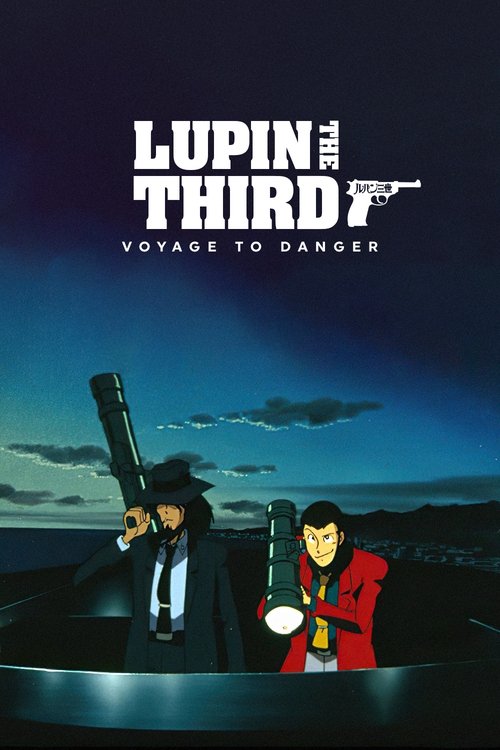
Lupin the Third: Voyage to Danger is a genre-driven adventure that prioritizes pulp aesthetics over sociopolitical commentary. It functions within established franchise clichés, focusing on high-stakes heists and the 'lovable rogue' archetype. The film finds its footing through the ability to act of Fujiko Mine and a sophisticated deconstruction of institutional authority. By framing thieves as protagonists, it challenges traditional notions of legality and state-mandated morality. However, the work lacks depth regarding diverse identities. It remains a largely homogeneous, male-centric story that offers little representation for LGBTQ+ individuals or characters with disabilities.
Category Breakdown
The film does not include explicit LGBTQ+ characters or non-straight identities. The interpersonal dynamics focus on romantic relationships between straight characters, such as the tension between Lupin and Fujiko Mine.
Fujiko Mine provides nuanced ability to act, using her intellect and sexuality to manipulate male-dominated environments. However, the heist structure remains anchored in a male-centric narrative.
As a Japanese production, the film reflects a largely homogeneous cultural perspective. While the plot involves international stakes, it lacks significant multicultural blending or race-bending.
The narrative excels by embracing moral relativism and deconstructing legal binaries. It critiques unregulated global power structures by focusing on the dismantling of international weapon smugglers.
There is no significant presence of characters with visible or invisible disabilities. The story prioritizes physical prowess and high-action sequences over explorations of impairment.
Present on Screen
Limited or Absent
Official Synopsis
After Inspector Zenigata is reassigned from the Lupin case and grows despondent, master thief Lupin the Third decides to help him get his old job back, teaming up with the old man to destroy the international weapon smugglers Shot Shell. Together with Lupin's long-time partners in crime, they steal a nuclear Russian submarine and enlist the help of a nuclear physicist named Karen, who keeps suspiciously eyeing Lupin's partner Jigen. If that weren't enough, Zenigata's Interpol successor is an assassin who aims to pick off the Lupin gang one by one.
1995
1979
2002
2019
2003
1989
1996

2019
No reviews yet. Be the first to share your thoughts on this movie!
Use the rating form above to leave a star rating and optional review.