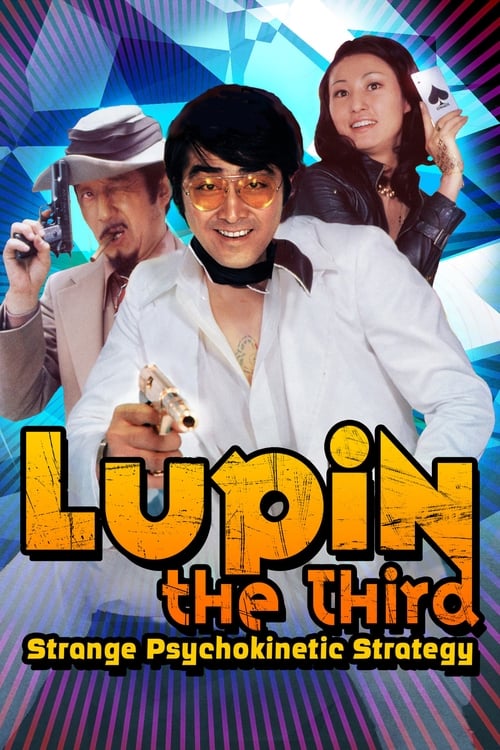
Lupin the Third: Strange Psychokinetic Strategy
1974
No user ratings available yet
Representation score: 6.8 out of 10

Representation Score
Limited
1974
Not RatedDirector
Teruo Ishii
Runtime
86 minutes
Average Rating
No ratings yetNew Showbiz Analysis
The film is a traditional 1970s action movie that emphasizes genre-driven action over social issues. It maintains conventional hierarchies, especially regarding gender, where women act as catalysts for male-led plots. While the film avoids harmful racial stereotypes and whitewashing, it lacks complexity in representing multiple aspects of identity. The focus remains on martial arts and heist dynamics rather than identity-based power struggles. Ultimately, the film functions as a standard crime narrative. It does not attempt to challenge established social norms or provide diverse representation across identity categories.
Category Breakdown
The film does not feature any explicit LGBTQ+ characters or stories. Instead, it focuses on the typical martial arts and crime themes common in 1970s action movies.
The story revolves around a male protagonist and his gang. Female characters, such as the heiress’s daughter, mainly serve as objects of pursuit rather than independent agents.
The cast is predominantly Japanese, reflecting the film's production and regional context. It avoids the harmful stereotypes or whitewashing often seen in Western media of the same period.
The narrative follows a standard retrieval mission within a crime framework. It does not explicitly critique capitalism or systemic power structures.
There are no characters with disabilities portrayed in the film. No specific instances of physical impairments are used as plot devices.
Present on Screen
Limited or Absent
Official Synopsis
When both a priceless jewel and the daughter of a rich heiress are stolen by a master criminal, Koga and his gang are hired to retrieve both. But a double-cross leads to a risky high-security bank heist and loads of martial arts mayhem.
1974

1968
1968

1972

1971

1974
1983

1967
No reviews yet. Be the first to share your thoughts on this movie!
Use the rating form above to leave a star rating and optional review.