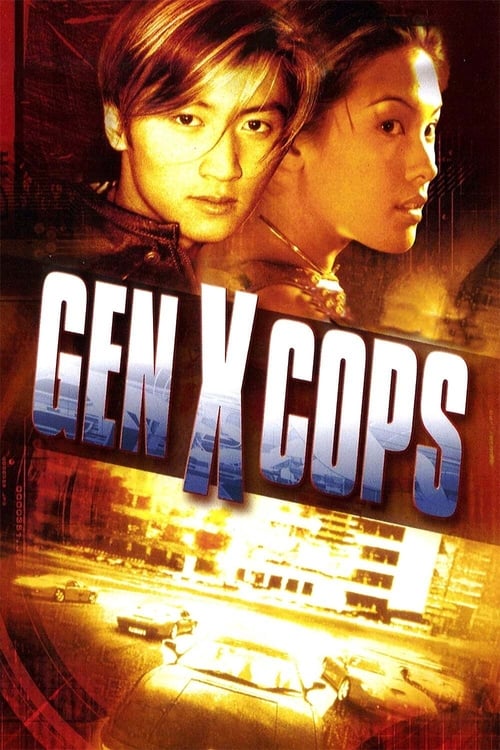
Gen-X Cops
1999
No user ratings available yet
Representation score: 3.6 out of 10
Representation Score
Fair
1990
Director
Frankie Chan Fan-Kei
Runtime
97 minutes
Average Rating
No ratings yetNew Showbiz Analysis
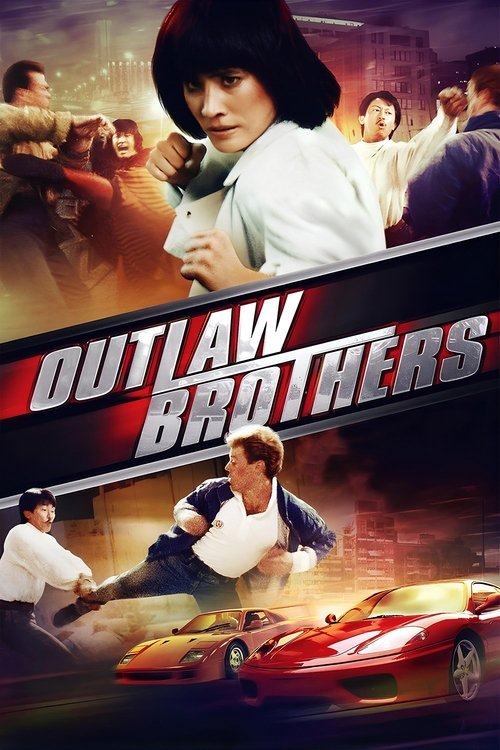
Outlaw Brothers is a genre-driven action-comedy that emphasizes kinetic energy and ensemble dynamics over socio-political commentary. While it avoids some common pitfalls, it remains within the established boundaries of 1990s Hong Kong cinema. The film's strongest point is its portrayal of gender, featuring a capable female lead. However, the lack of multi-layered complexity and the reliance on a homogeneous cast limit its broader diversity impact. Ultimately, the film functions as a pragmatic crime story, trading systemic critique for high-stakes genre clichés.
Category Breakdown
The film does not include any explicit LGBTQ+ characters or narratives. The plot focuses on a traditional crime-comedy dynamic without delving into non-straight relationships.
The film features Yukari Oshima, a competent policewoman who maintains professional authority and intellectual equality with the male characters. She challenges traditional gender roles.
The cast is primarily East Asian, reflecting the Hong Kong film industry of its time. The film operates within a culturally uniform setting.
The story examines situational morality through an alliance between thieves and police. However, it adheres to traditional crime and retribution themes.
There is no evident portrayal of physical or neurodivergent disabilities in the narrative.
Present on Screen
Limited or Absent
Official Synopsis
Frankie Chan and Max Mok are high-class car thieves whose sticky fingers get them in trouble with some gangsters, and then some really nasty gangsters. Tough policewoman Yukari Oshima wants to put the thieves behind bars, but realizes that by working together against the gangsters they can both benefit more.
1999
1985
1989

1985

1990

2004

1974

1990
No reviews yet. Be the first to share your thoughts on this movie!
Use the rating form above to leave a star rating and optional review.