One Wild Moment
1977
No user ratings available yet
Representation score: 5.4 out of 10
Representation Score
Fair
1969
Director
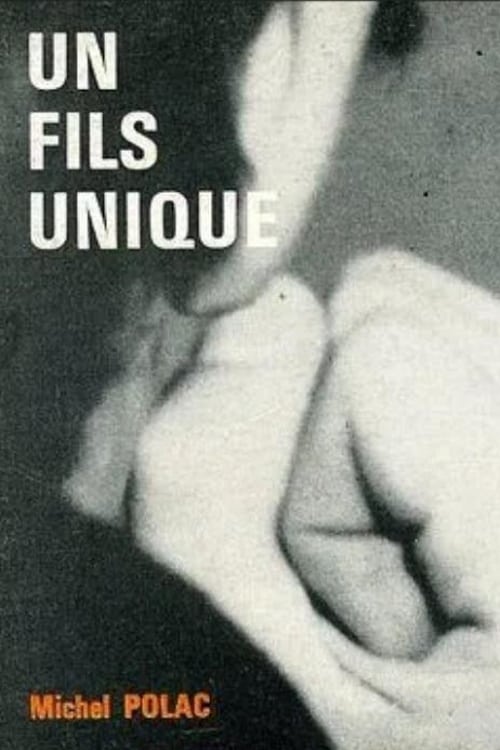
Michel Polac
Runtime
80 minutes
Average Rating
No ratings yetNew Showbiz Analysis
An Only Son serves as a deconstruction of the mid-century nuclear family. It moves away from rigid moral frameworks to explore the instability of conservative social structures through the lens of moral relativism. While the film lacks diverse representation regarding race and LGBTQ+ identity, it achieves a progressive stance by prioritizing individual ability to act. The narrative validates rebellion against oppressive domestic structures rather than enforcing traditional parental authority. Ultimately, the film occupies a transitional space in cinema, replacing the 'competent father' archetype with a more fluid, desire-driven focus on female autonomy and emotional truth.
Category Breakdown
The film lacks explicit LGBTQ+ characters or non-straight relationships. The narrative focuses solely on a rekindled heterosexual relationship.
The story disrupts traditional gender roles by centering the mother's decision to pursue an affair. This challenges the ineffective father archetype and the patriarchal domestic order.
Set in rural France during the late 1960s, the film features a homogeneous cast reflecting the historical demographic realities of its setting.
The film critiques traditional Western institutions and rigid moralism. It prioritizes individual emotional truth and situational ethics over the preservation of the traditional family unit.
No visible or invisible disabilities are portrayed within the primary character arcs. Disability is not used as a narrative device or tool for character development.
Present on Screen
Limited or Absent
Official Synopsis
A teenage boy and his friend look up an artist who painted a picture of the boy's mother years before. The eccentric artist eventually tolerates the intrusions of the two teens and gives the boy some historical background on how the two met and became involved. When the boy tells his mother he has met the artist, the mother returns to him and rekindles the passionate affair the two shared years before. The boy is caught in the middle between his mother's infidelity and his own resentment and rebellion towards his conservative, often humorless father.
1977
1971
1984

1976
1976
1971
1964
1961
No reviews yet. Be the first to share your thoughts on this movie!
Use the rating form above to leave a star rating and optional review.