Clara and the Why Notes
1981
No user ratings available yet
Representation score: 5.7 out of 10
Representation Score
Good
1971
RDirector
Miloš Forman
Runtime
93 minutes
Average Rating
No ratings yetNew Showbiz Analysis
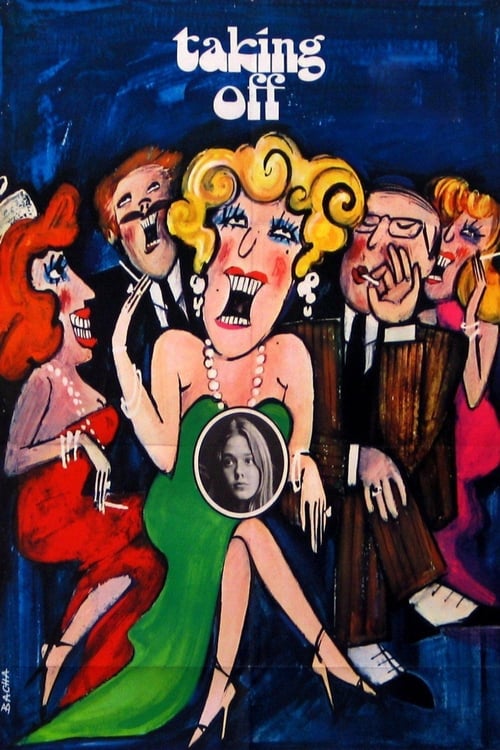
Miloš Forman’s *Taking Off* is a sophisticated critique of institutional rigidity. It excels in its portrayal of gender dynamics, emphasizing the active ability to act and professional aspirations of young women. The film also challenges the stability of the nuclear family and state-mandated roles, presenting individual desire as a valid form of autonomy. However, the film lacks racial and ethnic diversity and does not address disability or LGBTQ+ identities.
Category Breakdown
The film centers on female friendship and adolescent camaraderie. It avoids focusing on heterosexual relationships by emphasizing the internal goals and ambitions of the female characters.
The narrative successfully challenges traditional gender roles by highlighting the professional and personal ambitions of young women. It portrays these women as active and empowered rather than submissive.
The cast is predominantly homogeneous, reflecting the specific historical and geographic context of the Czechoslovak Socialist Republic. The film does not actively engage with diverse racial or ethnic identities.
The film provides a nuanced look at institutional norms and the nuclear family. It highlights the pursuit of personal freedom and autonomy against the backdrop of state bureaucracy.
There is no significant focus on disability within the narrative. Characters are defined by social and professional ambitions rather than physical or cognitive differences.
Present on Screen
Limited or Absent
Official Synopsis
Unable to deal with her parents, Jeannie Tyne runs away from home. Larry and Lynn Tyne search for her, and in the process meet other people whose children ran away. With their children gone, the parents are now free to rediscover/enjoy life.
1981

1965

1979
1984
1974
1970
1967

1963
No reviews yet. Be the first to share your thoughts on this movie!
Use the rating form above to leave a star rating and optional review.