Family Life
1985
No user ratings available yet
Representation score: 4.1 out of 10
Representation Score
Limited
1976
Director
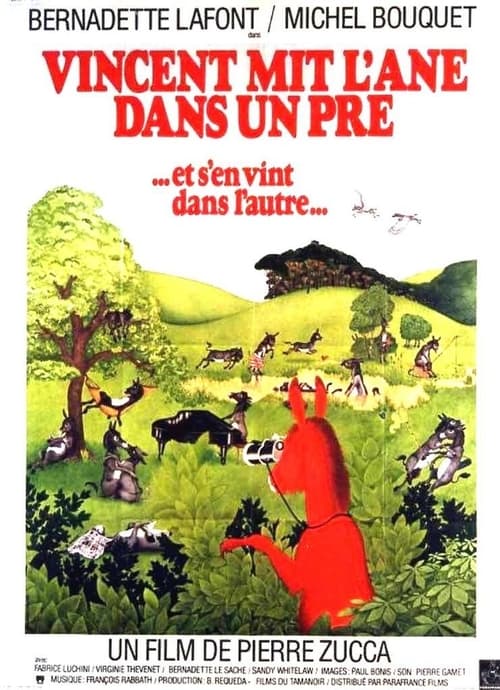
Pierre Zucca
Runtime
107 minutes
Average Rating
No ratings yetNew Showbiz Analysis
Vincent Put the Donkey in a Meadow (And Went Into the Other) is a traditional character study focused on the interpersonal conflicts between a father and his son. The narrative relies on established familial clichés, emphasizing the father-son dynamic. The film lacks complexity in its portrayal of identity and social issues. It does not engage with broader systemic critiques or provide representation for underrepresented groups, sticking to the standard dramatic structures of mid-1970s European cinema. Overall, the film presents a localized conflict rather than a progressive examination of social hierarchies or identity.
Category Breakdown
The film does not include any explicit LGBTQ+ characters or narratives. The main storyline revolves around a father-son relationship, which follows traditional family dynamics without questioning the assumption that everyone is straight or cisgender.
The story centers on a patriarchal relationship between a father and his son. Women do not play prominent roles, and there is no evidence of women having significant influence or challenging traditional masculinity.
This mid-1970s European production seems to reflect the homogeneous demographics typical of the time. There is no indication of a diverse cast or non-Anglo-Saxon majority.
The film examines familial dysfunction and the erosion of a parent’s reputation. However, it does not offer a broader critique of Western institutions or social hierarchies.
There is no mention of characters with visible or invisible disabilities. The film does not address neurodivergence or physical impairments.
Present on Screen
Limited or Absent
Official Synopsis
This is the tale of a father-son duo who are unable to leave each other. The trouble begins when the son decides to destroy his father's image.
1985

1976

2005

1963
1969
1968
1964
1955
No reviews yet. Be the first to share your thoughts on this movie!
Use the rating form above to leave a star rating and optional review.