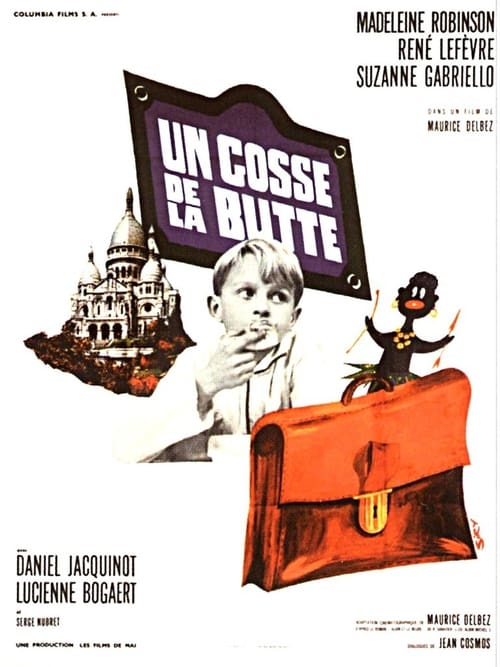
Un gosse de la butte
1964
No user ratings available yet
Representation score: 1.1 out of 10
Representation Score
Good
1971
RDirector
Louis Malle
Runtime
118 minutes
Average Rating
No ratings yetNew Showbiz Analysis
Louis Malle’s work stands out for its subversion of bourgeois morality and challenge to social structures. Its strength lies in its aggressive deconstruction of traditional gender roles and its rejection of institutional authority in favor of individual experience. However, the film lacks demographic breadth, focusing almost exclusively on a homogeneous, white, middle-class setting in 1950s France. Ultimately, the film explores moral relativism by using its characters to challenge the conventional social frameworks of its era.
Category Breakdown
The film centers around heterosexual relationships and the protagonist's interactions with women. It lacks prominent LGBTQ+ characters or stories that question the assumption that everyone is straight or cisgender.
The film challenges traditional gender roles by portraying the mother as a sexually autonomous and complex individual rather than a figure of domestic stability.
Set in 1950s France, the story focuses on a homogeneous, white, middle-class demographic. There is a lack of intentional racial diversity in the main storyline.
The narrative questions traditional Western morality by presenting controversial relationships through the lens of psychological development. Authority figures like the clergy are portrayed with a detached, cynical perspective.
The protagonist's heart murmur serves as a narrative catalyst for his psychological awakening. However, the condition is used more as a situational device than a nuanced exploration of disability.
Present on Screen
Limited or Absent
Official Synopsis
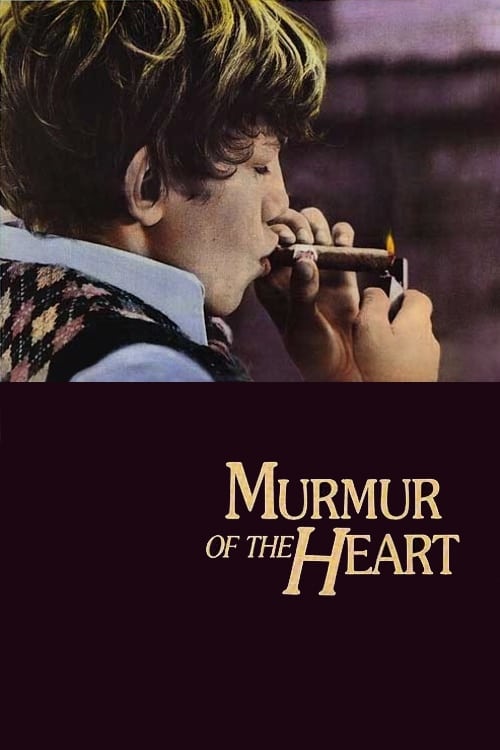
This loosely plotted coming-of-age tale follows the life of 15-year-old Laurent Chevalier as he stumbles his way over the burgeoning swell of adolescence in 1950s France. After having his first sexual experience with a prostitute and dodging the lips of a priest, Chevalier contracts a case of scarlet fever. When the fever leaves him with a heart murmur, Chevalier is placed in a sanatorium, along with his over-attentive and adulterous mother.
1964

1983
1993

1976

1999

1961

1975
1980
No reviews yet. Be the first to share your thoughts on this movie!
Use the rating form above to leave a star rating and optional review.