
An Only Son
1969
No user ratings available yet
Representation score: 5.4 out of 10
Representation Score
Good
1984
RDirector
Bille August
Runtime
107 minutes
Average Rating
No ratings yetNew Showbiz Analysis
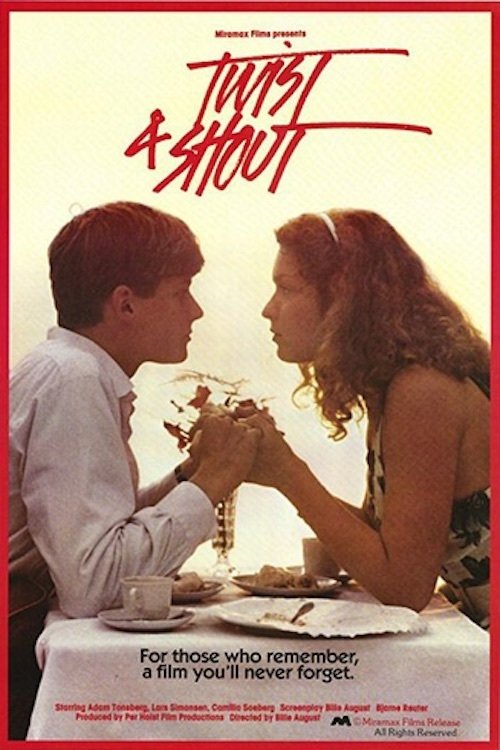
Twist and Shout is a period piece that uses the coming-of-age genre to examine mid-century Danish social structures. It effectively dismantles traditional institutions like the patriarchal family and rigid gender roles by presenting them as barriers to personal freedom. The film excels in its psychological depth and its challenge to the assumption that everyone is straight or cisgender. By highlighting the protagonists' resistance against authority, it provides a sophisticated view of reclaiming identity. However, the film's scope is limited to a homogeneous cast, reflecting the specific historical context but lacking racial and ethnic diversity. It focuses primarily on internal social changes within a white population.
Category Breakdown
The film delves into the internal struggles and growth of individuals exploring their sexual identity in a restrictive environment. It offers a detailed look at navigating queer identity within a society that doesn't accept it easily.
It challenges traditional gender roles by showing the tensions within a patriarchal family structure. Kirsten's character highlights the limitations of prescribed feminine roles and conventional gender expectations.
The cast is predominantly white and homogeneous, reflecting the 1960s Danish setting. The narrative does not engage with racial or ethnic diversity.
The story questions the sanctity of traditional family structures and parental authority. It emphasizes the importance of individual choice over the strict moral codes imposed by religious or governmental institutions.
Erik's mother, who is both confined to the home and mentally ill, is a key part of the family dynamics. The film portrays her struggles without resorting to ridicule, focusing instead on the complexity of family responsibilities.
Present on Screen
Limited or Absent
Official Synopsis
Danish teens come of age in 1963. Bjorn and Erik are close friends. Bjorn is pursued by Kirsten, a future Stepford wife, but he falls for Anna, who initiates him into love and sex. Erik is somber, caring for his home-bound mentally-ill mother while his strict father rules his life. He desires Kirsten, but she's unattainable. Pregnancy, a horrific abortion, an engagement party, and a revelation about the rectitude of Erik's father lead to a climax: Bjorn and Erik must stand up to controlling adults.
1969

1980

1987
1971
1972

1970

2008
1971
No reviews yet. Be the first to share your thoughts on this movie!
Use the rating form above to leave a star rating and optional review.