Mission for the Dragon
1980
No user ratings available yet
Representation score: 2.1 out of 10
Representation Score
Limited
1977
Director
Raymond Kim Si-Hyeon
Runtime
100 minutes
Average Rating
No ratings yetNew Showbiz Analysis
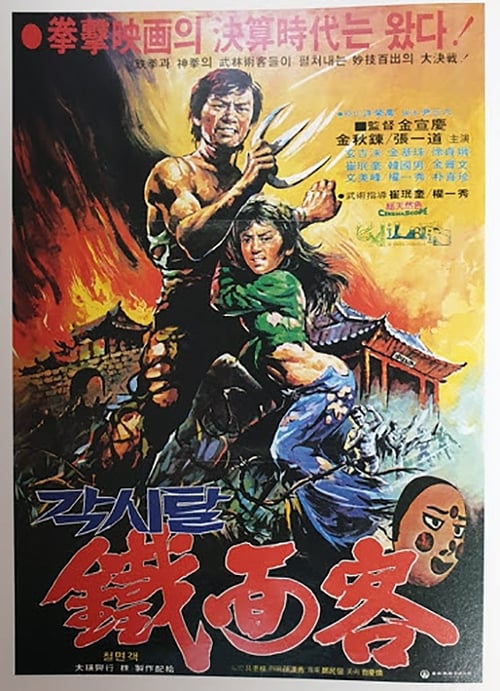
Guest of Black Leopard is a genre-driven period piece that excels in ethnic specificity. By centering a Korean narrative within a Manchurian landscape, it offers a perspective that disrupts Western-centric action cinema clichés. However, the film remains tethered to traditional social structures. Gender dynamics are largely patriarchal, with female roles serving primarily as catalysts for male-led action. The narrative lacks complexity in representing diverse identities and does not challenge established norms. Ultimately, the film is a culturally specific martial arts tale that prioritizes traditional themes of honor and retribution over progressive social representation.
Category Breakdown
The film does not include any representation of LGBTQ+ identities or same-sex relationships. The storyline revolves around traditional themes of revenge and family loyalty.
So-jeong plays a significant role in her quest for vengeance, but the main conflicts are driven by male characters. The narrative follows traditional hierarchies where female motivations are tied to male actions.
The film provides a strong non-Western perspective by focusing on a Korean diaspora experience in Manchuria. It successfully explores the internal dynamics of a Korean vagabond community.
The story operates within a framework of traditional morality and honor. It relies on classic martial arts clichés regarding justice and greed rather than challenging cultural norms.
There are no characters identified as having physical or neurodivergent disabilities. No impairments are portrayed as part of the narrative.
Present on Screen
Limited or Absent
Official Synopsis
The nation called Hocheonpyo transports gold in the village of Korean vagabonds in Manchuria to Kukja family when some bandits attack and steal the coach with goods. The very prestigious head Paeng-deok mediates but old man Kim is killed when he asks for compensation. At this time, the Korean man Han-seong defeats the bandits and brings back the gold. So-jeong, old man Kim's daughter, decides to avenge her father. Han-seong goes to the place where the coach was attacked. Finding an emblem, he is filled with suspicion. The bandits have been employed as a convoy of Hocheonpyo and the emblem is theirs. Paeng-deok is Han-seong's older brother. Paeng-deok gets the compensation money together. While bringing the money, Seo-jun is killed and someone takes the money. Han-seong knows that Ho-chul is the culprit but Ho-chul dies by a poisonous dart. Han-seong persuades him knowing that Paeng-deok is the ringleader behind Ho-chul. - KMDB
1980
1967

1981
1966
1979
1972
1973
1980
No reviews yet. Be the first to share your thoughts on this movie!
Use the rating form above to leave a star rating and optional review.