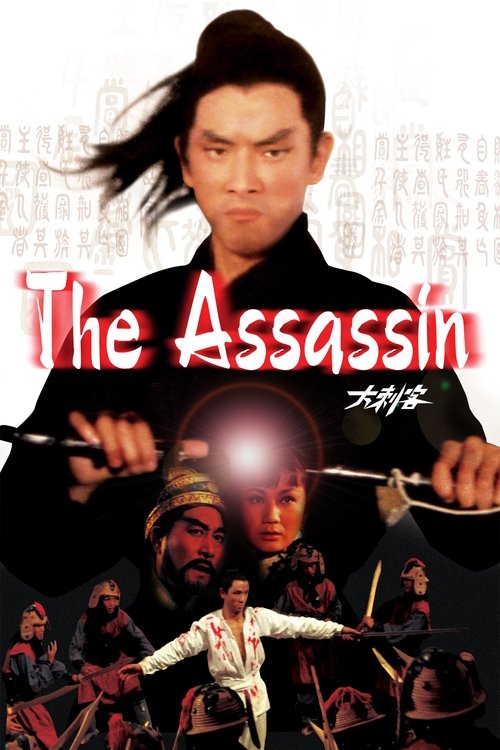
The Assassin
1967
No user ratings available yet
Representation score: 6.4 out of 10
Representation Score
Fair
1972
Director
Jang Il-ho
Runtime
88 minutes
Average Rating
No ratings yetNew Showbiz Analysis
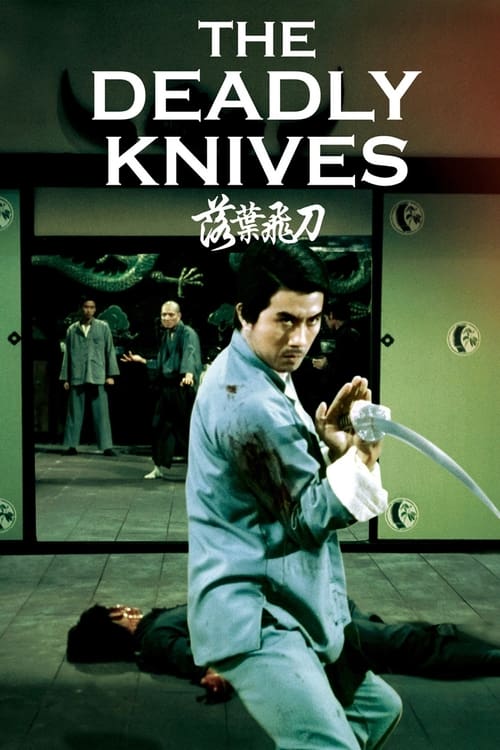
The Deadly Knives explores national identity and historical trauma through a revenge-driven plot. It succeeds by framing the central conflict as a struggle for land and sovereignty against external forces, offering a critique of systemic corruption. However, the film is constrained by the social norms of its time. It relies heavily on male-driven narratives and traditional romantic structures, limiting opportunities for diverse gender expressions or non-straight identities. Ultimately, the film's strength lies in its cultural and ethnic subtext. It uses a revenge plot to expose corrupt power dynamics and support resistance against foreign exploitation.
Category Breakdown
The film follows traditional heterosexual storylines typical of 1970s action-dramas, focusing on romantic pairings and family ties without showing characters with diverse sexual orientations or gender identities.
Men play key roles in driving the plot through vengeance and land disputes. Women's roles are centered around providing emotional stakes, but they remain tied to the male-dominated narrative and traditional hierarchies.
The story centers on resisting a Japanese plutocrat, framing the conflict as a fight for sovereignty. This offers a nuanced look at ethnic ability to act and territorial integrity.
The film criticizes capitalist greed and corrupt authority by showing traditional institutions under attack. It supports a violent rebellion against systemic injustice and foreign exploitation.
There is no indication of the portrayal of physical or neurodivergent disabilities within the narrative.
Present on Screen
Limited or Absent
Official Synopsis
Plotting to obtain the Yen family's land, dastardly Japanese plutocrat Omura bribes Yen nephew Hsu Chien to steal the family seal and land deed. When Hsu Chien is caught in the act, he viciously beats elderly Master Yen to death to cover his actions. Determined to avenge the wrongs committed on his family and his country, young master Yen Tzu Fei blazes a knife-throwing path of revenge that leads him to his love Yue Hua's father, who has corrupt connections with the Japanese
1967
1967
1971
1978
1977
1980
1960
1968
No reviews yet. Be the first to share your thoughts on this movie!
Use the rating form above to leave a star rating and optional review.