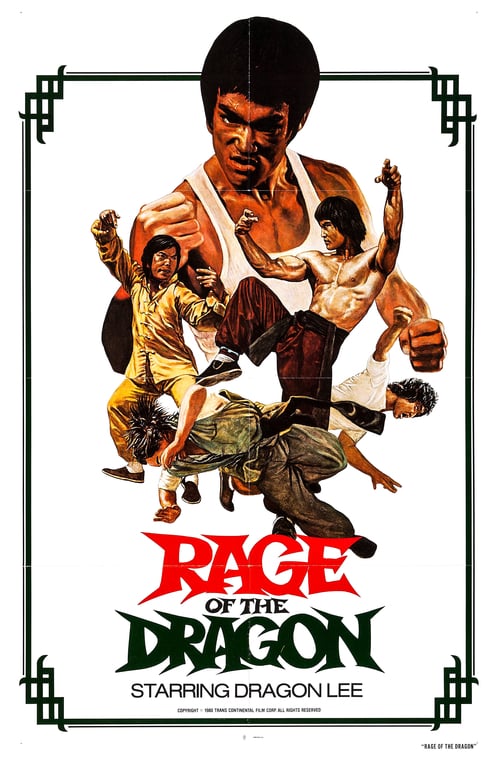
Mission for the Dragon
1980
No user ratings available yet
Representation score: 2.1 out of 10
Representation Score
Limited
1979
Director
Kim Jeong-Yong
Runtime
84 minutes
Average Rating
No ratings yetNew Showbiz Analysis
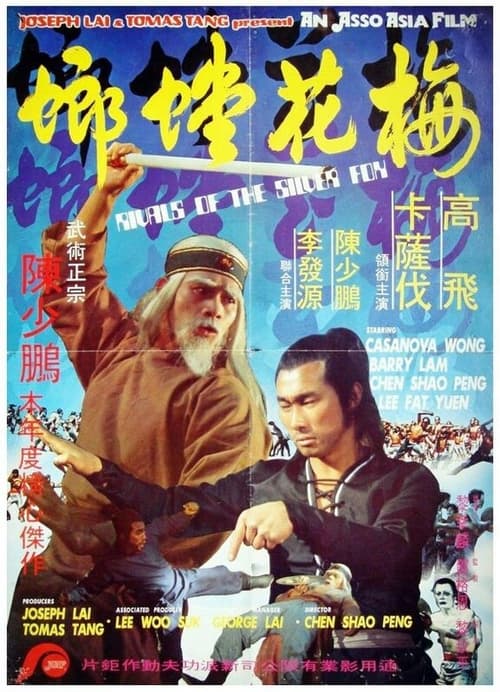
Rivals of the Silver Fox is a period-specific action film that prioritizes traditional genre clichés over social complexity. Its narrative structure is built around masculine heroism and restorative justice, limiting its depth in reflecting multiple aspects of identity. The film's focus on a male-driven revenge cycle results in limited representation of gender and LGBTQ+ identities. Female characters provide support but do not challenge established patriarchal norms. Cultural and racial elements are present, but the film remains within a conventional, homogeneous framework, lacking a systemic critique or diverse ensemble.
Category Breakdown
The film centers on male rivalry and revenge, without any depiction of non-straight relationships or gender diversity. The story follows traditional heterosexual norms.
The narrative emphasizes masculine retribution and combat. Ok-mae supports the protagonist, but her role reinforces rather than challenges patriarchal norms.
The film highlights cross-border movement between Koryo and China, introducing regional ethnic identity. However, it operates within a culturally homogeneous framework typical of the time.
The plot revolves around traditional concepts of honor and vengeance, following a clear moral path focused on justice for a murdered spouse. It does not question social hierarchies.
The protagonist faces a physical setback due to poisoning, but this is a standard plot device. There is no detailed exploration of permanent or invisible disabilities.
Present on Screen
Limited or Absent
Official Synopsis
Nam Pae-chun comes to China from Koryo. By chance, he rescues a man named Gu Gu-hwa who came across and stole the Suri sword belonging to Ma Cheon-san. On the run from Chun-san, Gu-hwa becomes Pae-chun's underling. When Pae-chun sees the sword, he realizes that Cheon-san killed his wife. When Pae-chun collapses after getting hit by Gok-gan's poison sphere, Ok-mae helps him. Paechun and Cheon-san pass the five barriers and begin to fight. Pae-chun wins the fight and returns home with Ok-mae. - KMDB
1980
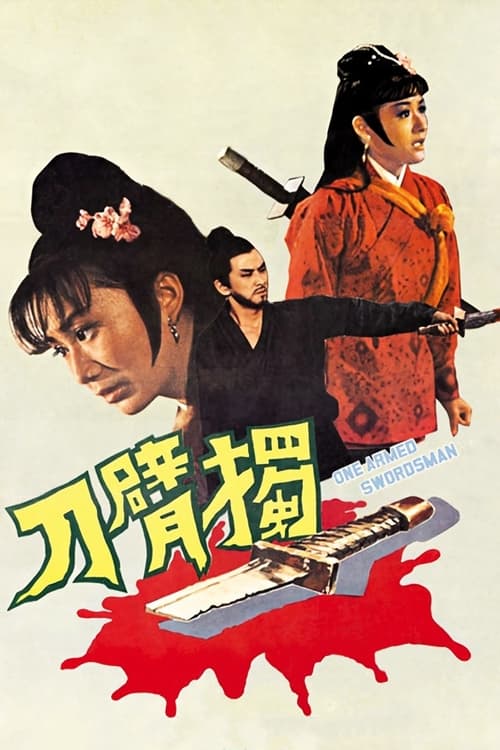
1967
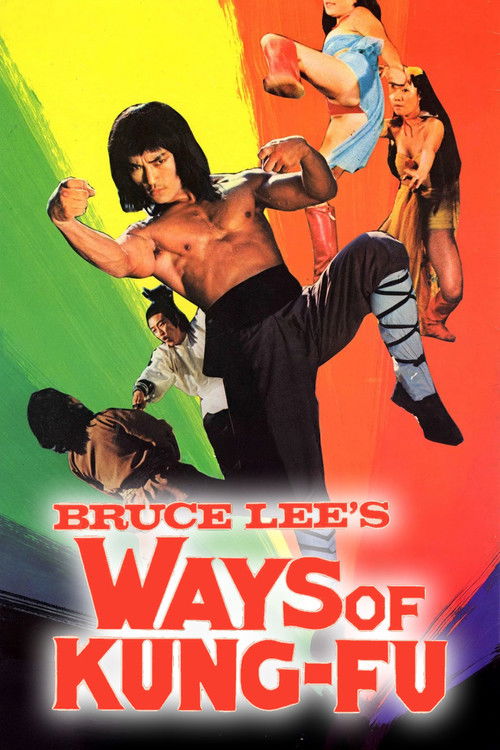
1979
1982
1977
1976
1980
1980
No reviews yet. Be the first to share your thoughts on this movie!
Use the rating form above to leave a star rating and optional review.