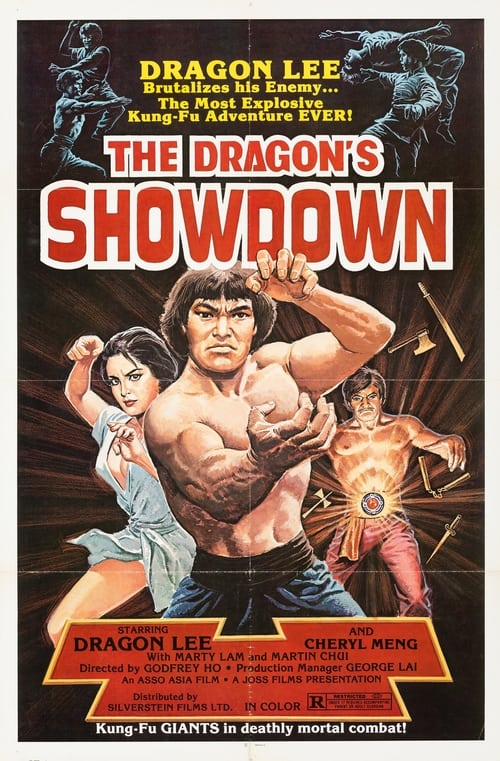
The Dragon's Infernal Showdown
1980
No user ratings available yet
Representation score: 1.9 out of 10
Representation Score
Limited
1980
PGDirector
Kim Shi-hyeon, Godfrey Ho
Runtime
90 minutes
Average Rating
No ratings yetNew Showbiz Analysis
Mission for the Dragon is a traditional action-adventure film that emphasizes genre conventions over social commentary. While it provides non-Western representation through its South Korean and Hong Kong settings, the storytelling remains within the conventional boundaries of 1980s exploitation cinema. The narrative relies on established social hierarchies and traditional gender roles. Female characters help resolve conflicts between men rather than driving the plot independently. Overall, the film lacks the complexity or intentionality needed to challenge social norms, focusing instead on retribution and honor.
Category Breakdown
The film does not include any LGBTQ+ characters or explore non-straight relationships. The story revolves around traditional romantic relationships and conflict.
Female characters such as Trader Kwan and Mi-ryung appear, but they mainly help resolve conflicts between men. They operate within traditional gender roles rather than challenging them.
The film showcases a non-Western cast and setting through its South Korean and Hong Kong origins. However, it does not intentionally address multi-layered casting or systemic issues.
The story centers on traditional themes of honor, family vengeance, and artifact pursuit. It adheres to the typical moral framework found in period action genres.
The film does not feature any characters with visible or invisible disabilities.
Present on Screen
Limited or Absent
Official Synopsis
Han Wu-song, an antique collector, gets killed while appraising a bronze horse rider statue which trader Wang Dae-in has stolen from a tomb. Dae-in dies on the scene and Wu-song leaves the killer's name on the cave wall before he dies. Dae-in's son Wang Gak thinks Wu-Song killed his father and fights with his son Jung-pa. Trader Kwan and her daughter Mi-ryung stop the fight. Jung-pa and Mi-ryung's love is disturbed by Ju-yang. Gak and Jung-pa chase him to find Wu-song's body with Ju-yang's name on the wall but Mi-ryung appeals them not to kill...
1980
1982
1977
1984

1982
1979
1983

1980
No reviews yet. Be the first to share your thoughts on this movie!
Use the rating form above to leave a star rating and optional review.