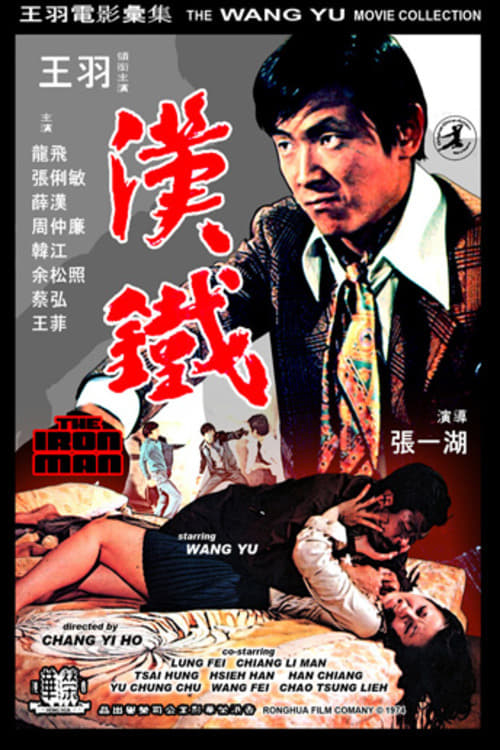
The Iron Man
1973
No user ratings available yet
Representation score: 3.9 out of 10

Representation Score
Fair
1981
Director
Jin-Tae Kim, To Man-Bo
Runtime
75 minutes
Average Rating
No ratings yetNew Showbiz Analysis
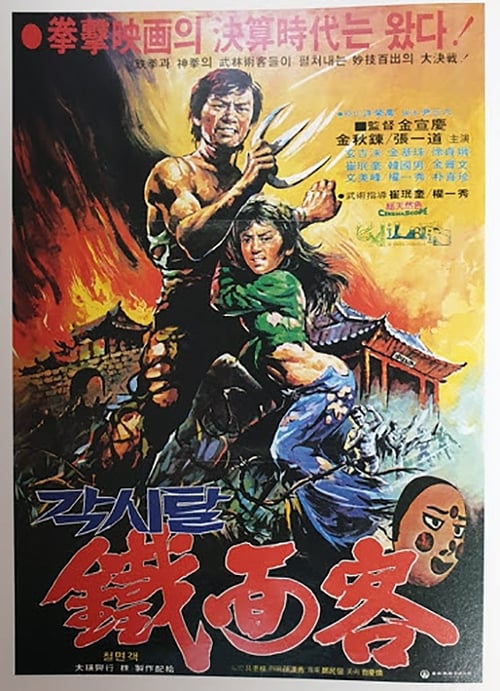
Dragon Bruce Lee, Part II is a period action film that excels in its ethnic and cultural themes. By focusing on the struggle of Korean independence fighters against Japanese military authority, the film offers a powerful narrative of resistance against colonial occupation. However, the film's diversity is limited by its adherence to traditional social structures. While women play key roles in the fight for justice, their arcs are often defined by tragedy or their connection to the male lead. The absence of LGBTQ+ representation and the lack of depth regarding physical disabilities further constrain the score. Ultimately, the film is a focused nationalist drama. It excels at portraying the tension between a colonized population and an imperial power but lacks multi-layered breadth.
Category Breakdown
The film does not include any LGBTQ+ characters or stories about non-assuming gender matches what was assigned at birth identities. It follows the traditional structures typical of 1980s action movies, which assume everyone is straight and cisgender.
Female characters such as Wan-ah and the kisaeng sisters have ability to act through their desire for revenge. However, their roles are closely tied to the main male protagonist's journey and the broader struggle for independence.
The story centers on Korean independence fighters resisting Japanese colonial rule. This ethnic focus highlights the struggle against an external imperial power.
The film critiques systemic oppression by showing the Japanese military police as a corrupt institution. It focuses on the fight for national sovereignty against a colonial state.
The protagonist suffers leg injuries that require a recovery period. It is unclear if this provides a nuanced look at disability or serves merely as a standard plot device.
Present on Screen
Limited or Absent
Official Synopsis
While transporting funds for independence movement, Lee Han-saeng is shot in the legs by the Japanese military police. He recovers from his wounds with the help of Jang Geo-chil, an independence fighter, and his daughter, Wan-ah. When the Japanese police investigate Jang's house, Han-saeng and Jang take refuge in the home of Wan-ah's uncle. But he sells them out, blinded by his greed for the reward on their heads. They run and hide in kisaeng Ae-hi's home. Ae-hi and her sister Yu-ha desire revenge on the Japanese police who killed their father. But they are killed when Wan-ah's uncle turns them to the Japanese police while Han-saeng is away. When Jang and his wife are killed, Han-saeng takes revenge on the Japanese police.
1973
1974
1980
1982
1972
1980
1979
1977
No reviews yet. Be the first to share your thoughts on this movie!
Use the rating form above to leave a star rating and optional review.