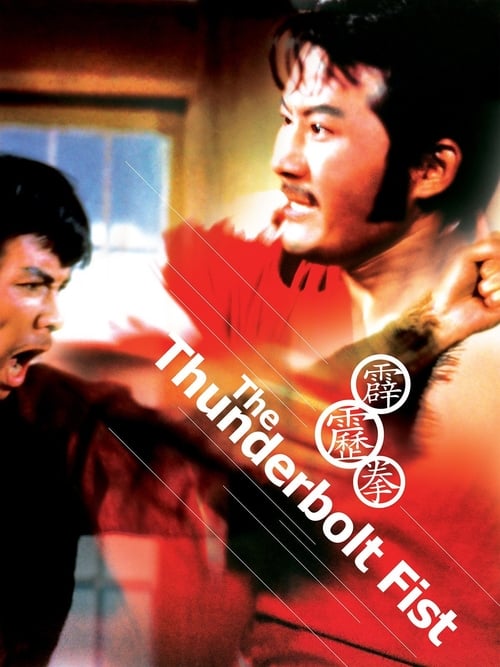
The Thunderbolt Fist
1972
No user ratings available yet
Representation score: 3.1 out of 10
Representation Score
Limited
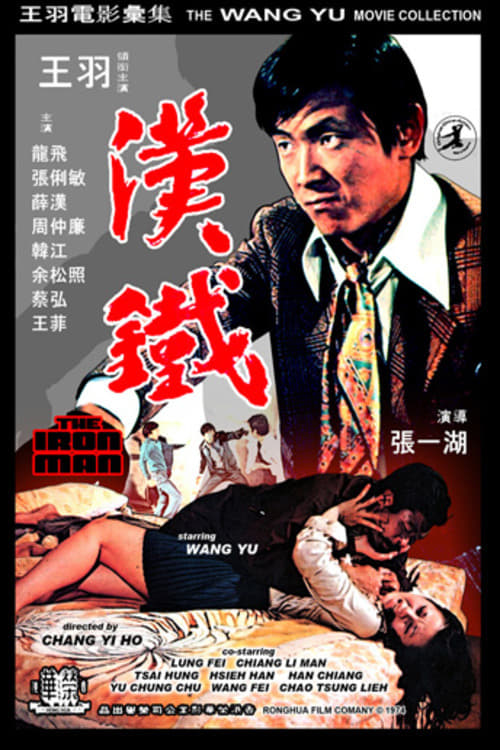
1973
Director
Jang Il-ho
Runtime
86 minutes
Average Rating
No ratings yetNew Showbiz Analysis
The Iron Man is a genre-driven martial arts film that finds its strength in its political subtext. By centering a narrative of resistance against colonial occupation, it disrupts Western-centric cinematic norms and explores the complexities of ethnic identity and systemic oppression. However, the film remains deeply rooted in traditional masculine archetypes. The plot is driven by patriarchal lineage and physical dominance, leaving little room for gender diversity or the subversion of traditional hierarchies. Ultimately, while the film lacks representation for LGBTQ+ and female characters, its engagement with anti-colonial themes and the critique of social betrayal provides a meaningful layer of cultural depth.
Category Breakdown
The film focuses on a male protagonist driven by vengeance and martial prowess. There are no LGBTQ+ characters or narratives that question the assumption that everyone is straight or cisgender.
The story centers on a male character driven by patriarchal lineage and physical dominance. It does not provide much room for female characters to take control or play a significant role in driving the story.
The film portrays an anti-colonial struggle against Japanese occupation, highlighting the ethnic identity of the colonized people.
The story critiques systemic corruption by showing collaborators who betrayed their community. This framing explores the moral complexities of survival and loyalty under an oppressive regime.
There is no information available regarding the portrayal of physical or neurodivergent characters in this work.
Present on Screen
Limited or Absent
Official Synopsis
In 1944 Chang Chin's father was murdered by the Japanese with the help of Ching Tang and Fan Hsi-Shang, two collaborators led by Fung Mu. Now a grown up and a master of kung fu, Chang is ready to revenge his father.
1972
1978
1972
1967

1981
1980
1973
1977
No reviews yet. Be the first to share your thoughts on this movie!
Use the rating form above to leave a star rating and optional review.