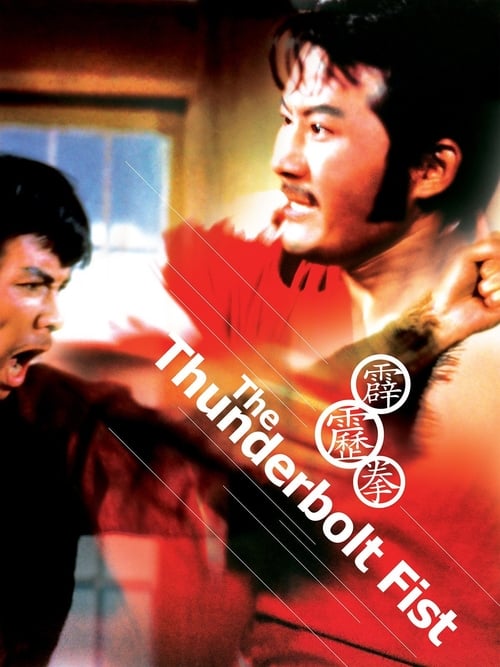
The Thunderbolt Fist
1972
No user ratings available yet
Representation score: 3.1 out of 10
Representation Score
Good
1980
Director
Kim Seon-gyung
Runtime
83 minutes
Average Rating
No ratings yetNew Showbiz Analysis
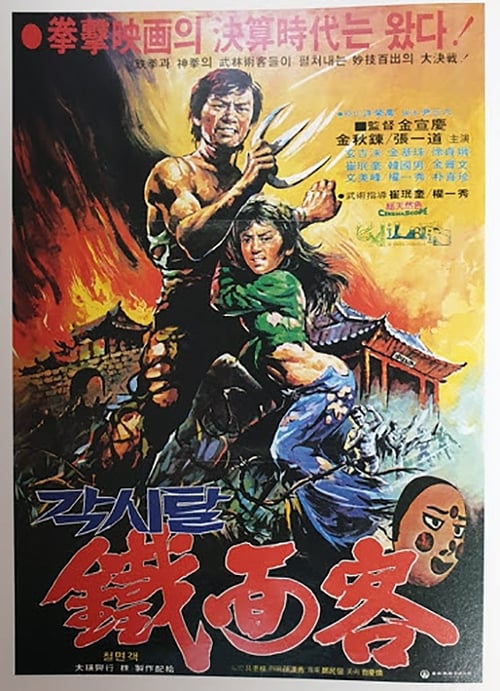
Blood of the Dragon Peril is a period action film that leverages strong political subtext. By focusing on resistance against colonial occupation, the film emphasizes ethnic ability to act and critiques imperialist power. However, the film adheres to the social constraints of its era. The narrative centers on male lineage and patriarchal structures, limiting diverse gender dynamics and non-straight-centered identities. While the inclusion of a character with a cognitive disability adds social realism, the film's impact is largely defined by the tension between indigenous identity and foreign oppression.
Category Breakdown
The film does not explicitly depict LGBTQ+ identities. It focuses on familial bonds and wartime conflict, adhering to traditional social structures typical of 1980s action cinema.
The story centers on a male-dominated lineage, with ability to act primarily held by male characters, reflecting a traditional patriarchal hierarchy within the family and military.
The film highlights the ability to act of ethnic characters by centering a resistance movement against Japanese occupation. It explores the struggle of a local population for sovereignty and decolonization.
The film critiques foreign hegemony by depicting an invading army as an oppressive force. It examines the destruction of traditional institutions like the local kung-fu school.
The eldest son's cognitive disability introduces themes of vulnerability due to political violence. This inclusion adds social realism to the central conflict.
Present on Screen
Limited or Absent
Official Synopsis
The Master of Manchuria's most renowned school of kung-fu is slaughtered when he resists the invading Japanese. His eldest son is beaten so badly he becomes mentally retarded. The second son, Lui, surrenders and joins the army - much to the derision of the villagers. The last son disappears. When a masked man begins appearing and making trouble at the Japanese army bases, Lui is ordered to find and kill him. He almost succeeds, but at the last moment discovers the masked man's secret...
1972
1982

1981
1967
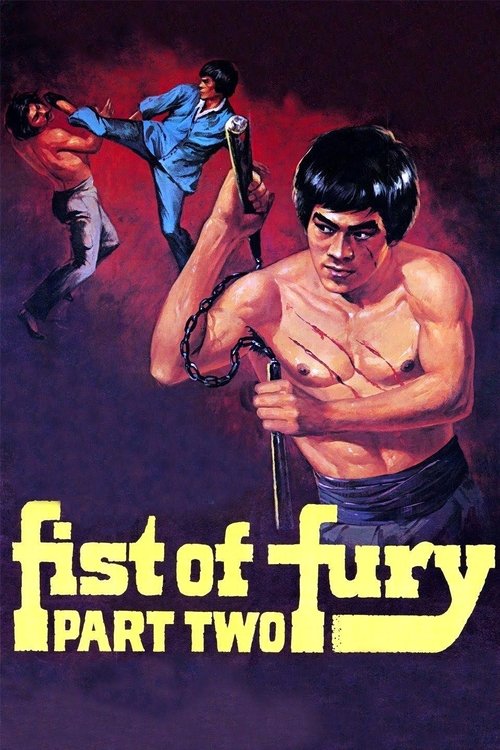
1977
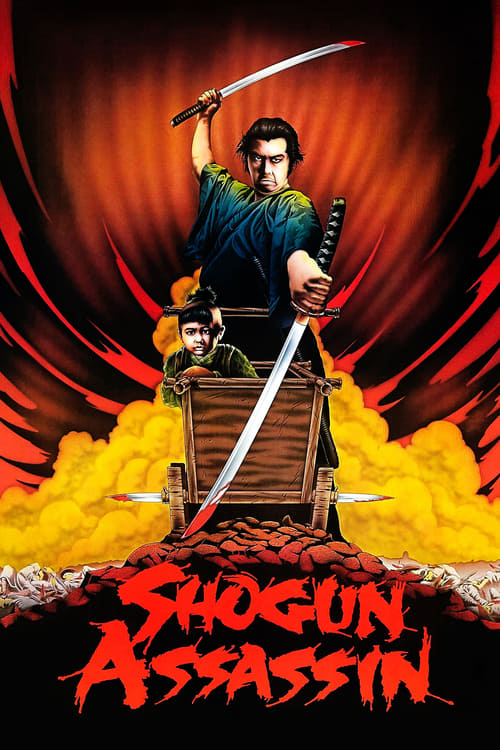
1980
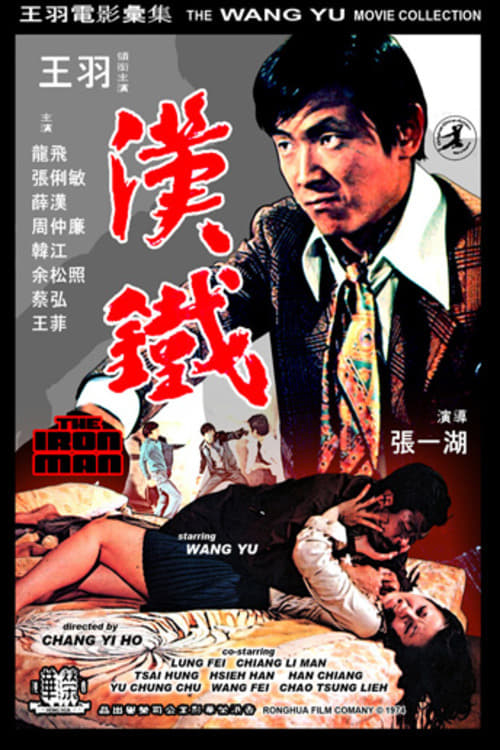
1973
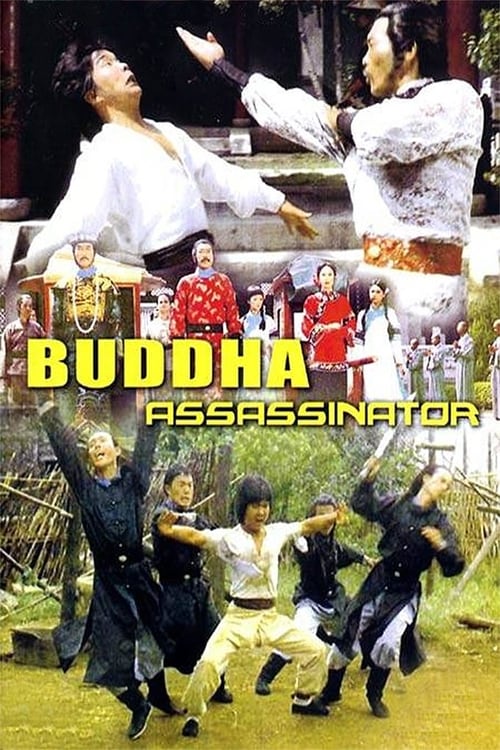
1980
No reviews yet. Be the first to share your thoughts on this movie!
Use the rating form above to leave a star rating and optional review.