The Blessed Ones
1986
No user ratings available yet
Representation score: 6.6 out of 10
Representation Score
Good
1980
RDirector
Ingmar Bergman
Runtime
104 minutes
Average Rating
No ratings yetNew Showbiz Analysis
Bergman’s work serves as a psychological exploration of domestic breakdown. It effectively challenges traditional social hierarchies, especially by breaking down masculine authority and the sanctity of the nuclear family. However, the film lacks broad demographic representation. The cast remains largely uniform, and the narrative does not highlight overt or positive LGBTQ+ identities, focusing instead on the instability of human connections. Ultimately, the film's strength lies in its critical approach to Western social and domestic structures.
Category Breakdown
The film examines hidden desires and flexible personal connections. It challenges the stability of traditional heterosexual relationships by showing marriage as a source of alienation rather than a stable foundation.
It questions traditional gender roles by depicting the male protagonist as psychologically unstable rather than traditionally strong. The film dismantles the roles of husband and provider.
The cast is predominantly made up of similar types of people, reflecting the era's limitations in casting and a focus on a European-centric setting. There is a lack of diverse ethnic representation.
The story criticizes Western institutions by emphasizing moral ambiguity over a unified moral code. It presents a secular, existential perspective that views societal structures as fragile.
The film deals with mental health issues through the protagonist's psychological instability. These conditions fuel the existential questioning, although they sometimes contribute merely to dramatic tension.
Present on Screen
Limited or Absent
Official Synopsis
An account of the events before and after a murder committed by a disturbed businessman in a strained marriage, and what led him to perform such a shocking act.
1986
1976
1969
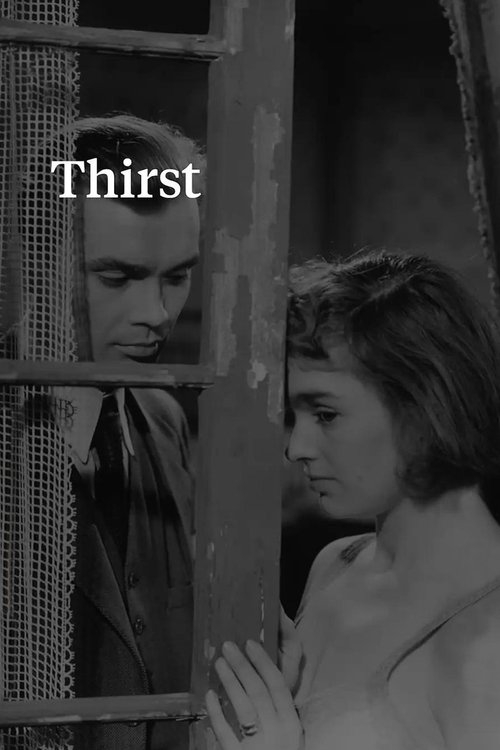
1949
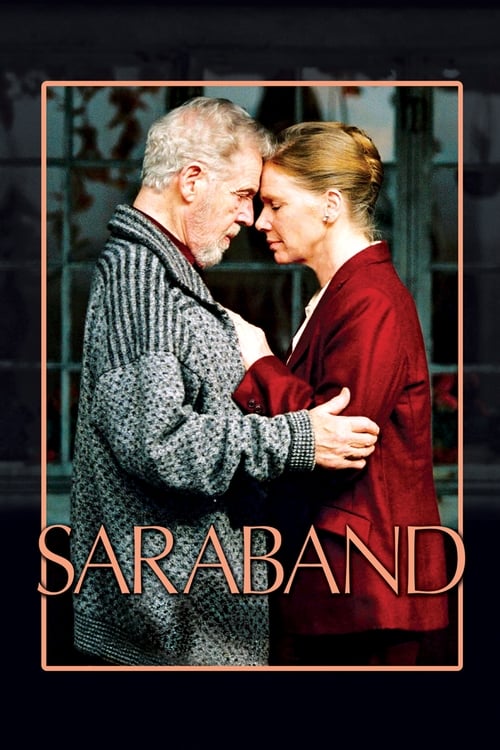
2003
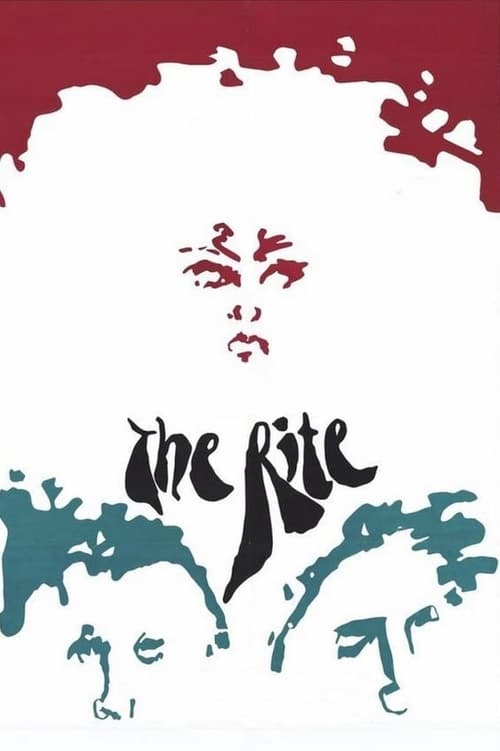
1969
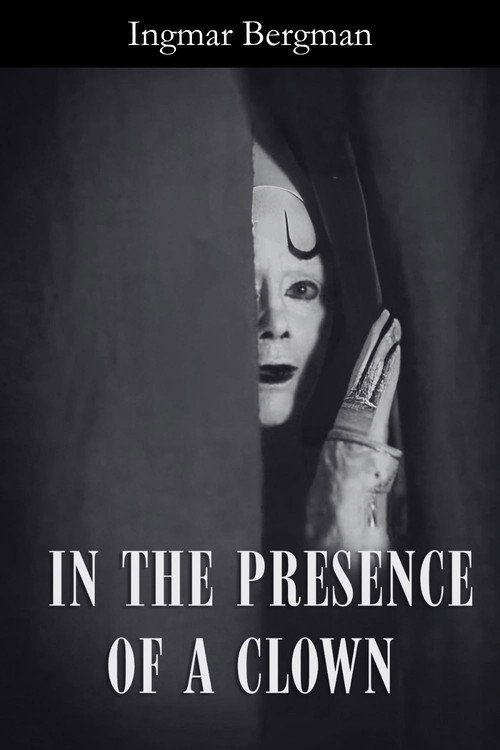
1998

1966
No reviews yet. Be the first to share your thoughts on this movie!
Use the rating form above to leave a star rating and optional review.