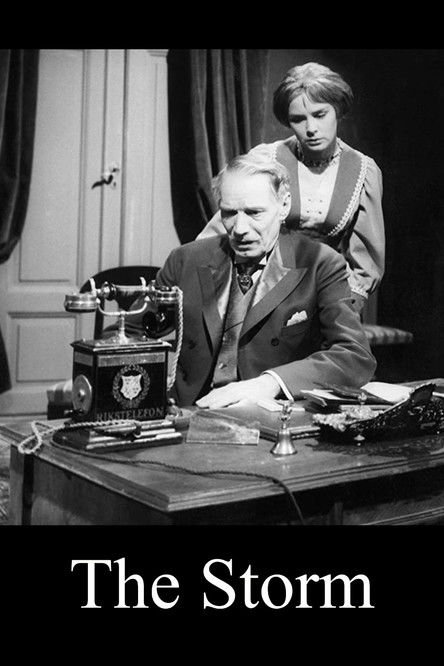
The Storm
1960
No user ratings available yet
Representation score: 2.5 out of 10
Representation Score
Good
1986
Director
Ingmar Bergman
Runtime
81 minutes
Average Rating
No ratings yetNew Showbiz Analysis
Ingmar Bergman’s work deconstructs traditional social and spiritual certainties. The film succeeds in subverting domestic and religious norms by portraying marriage and faith as sites of instability rather than cohesion. However, the film lacks demographic breadth. It remains largely centered on a homogeneous European perspective, offering little visibility for racial or LGBTQ+ identities. Ultimately, the film's strength lies in its psychological depth and its critique of established institutions, even as it fails to provide diverse representation across broader social categories.
Category Breakdown
The film focuses on a heterosexual marriage between Viveka and Sune. There is no explicit evidence of queer identity or non-cisgender gender expression in the narrative.
The story disrupts traditional hierarchies by centering on the female protagonist's psychological role. Sune is depicted as entangled in her condition, subverting the cliché of the stable male leader.
The drama appears set within a homogeneous European social context. There is no evidence of a multi-ethnic cast or intentional use of race-bent casting.
The film critiques traditional spiritual frameworks by framing religious devotion as a source of paranoid delusion. It challenges the sanctity of the Western family unit and religious institutions.
The narrative centers on mental health, specifically paranoia and delusions. It explores the internal lived experience of psychological distress and neurodivergence through its protagonist.
Present on Screen
Limited or Absent
Official Synopsis
Middle-aged schoolteacher Viveka and her husband Sune enter a marriage marked by devotion and increasing strain. As Viveka’s jealousy and religious anxiety intensify into paranoid delusions, Sune becomes progressively entangled in her condition, transforming their relationship into a shared psychological collapse.
1960
1976
1998

1980

2011

1972

1992

1974
No reviews yet. Be the first to share your thoughts on this movie!
Use the rating form above to leave a star rating and optional review.