
Through a Glass Darkly
1961
No user ratings available yet
Representation score: 5.8 out of 10
Representation Score
Good
1969
RDirector
Ingmar Bergman
Runtime
101 minutes
Average Rating
No ratings yetNew Showbiz Analysis
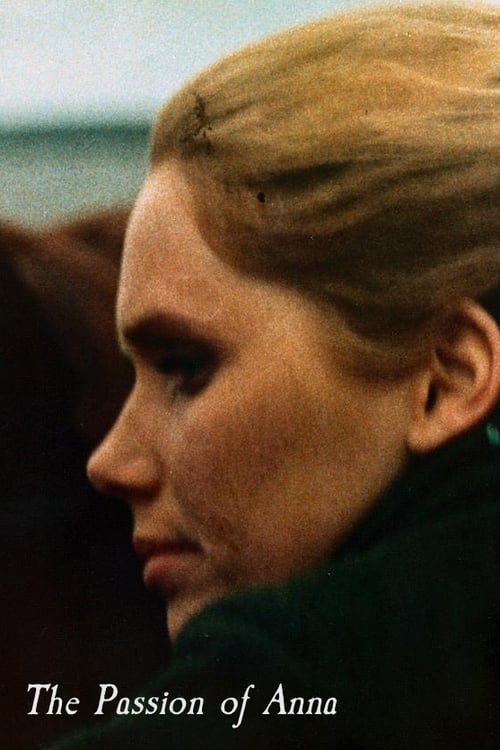
The Passion of Anna excels in its thematic subversion of Western institutional stability and traditional family structures. It uses psychological fragmentation to challenge social and religious norms, offering a progressive interrogation of systemic hierarchies. However, the film lacks demographic breadth. The cast is largely homogenous, offering very little racial or LGBTQ+ representation. The focus remains narrow, centered on a specific European context and heterosexual dynamics. Ultimately, the work trades demographic diversity for a deep, existentialist critique. It succeeds in deconstructing social contracts but fails to include a wide range of identities or lived experiences.
Category Breakdown
The film does not explicitly depict LGBTQ+ identities or non-straight relationships. Instead, it centers on volatile, dysfunctional heterosexual dynamics between the main characters.
Gender roles are disrupted, with neither masculinity nor femininity serving as a stable authority. Female characters play significant, destructive roles in driving interpersonal conflicts.
The cast is predominantly white, reflecting the European setting's demographics. The film focuses on a homogeneous group to emphasize existential isolation.
The narrative prioritizes a secular, existentialist perspective over Christian morality. It critiques traditional institutions and the perceived stability of Western social norms.
The film explores invisible mental health issues and extreme psychological instability. However, these conditions often serve as atmospheric devices rather than genuine explorations of lived experience.
Present on Screen
Limited or Absent
Official Synopsis
A recently divorced man and an emotionally devastated widow begin a love affair.
1961
1963
1972
1967
1986
1977
1968
1977
No reviews yet. Be the first to share your thoughts on this movie!
Use the rating form above to leave a star rating and optional review.