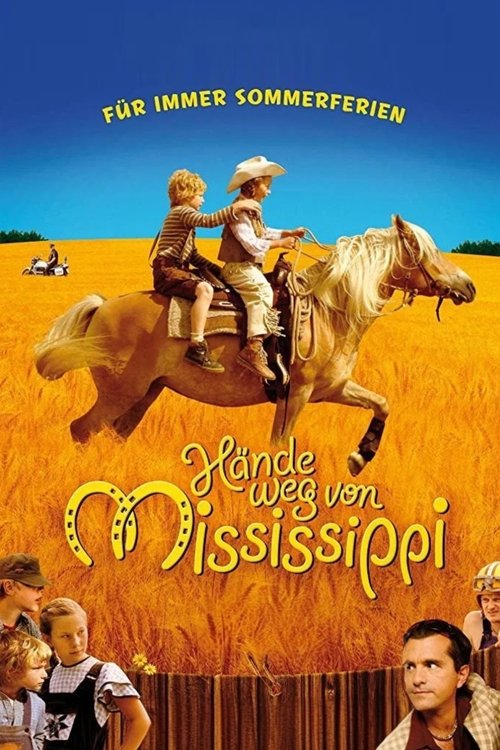
Hands off Mississippi
2007
No user ratings available yet
Representation score: 4.1 out of 10
Representation Score
Minimal
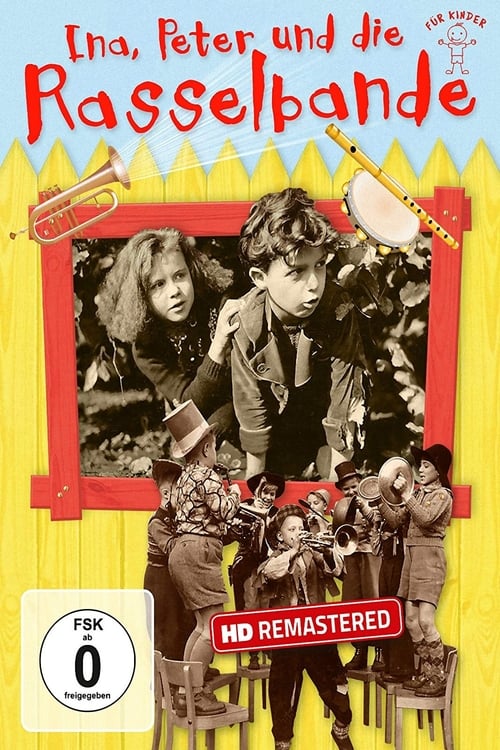
1955
6Director
Fritz Genschow
Average Rating
No ratings yetNew Showbiz Analysis
Ina, Peter und die Rasselbande is a product of its 1955 West German context, emphasizing the traditional social norms of mid-century family cinema. The film operates within a narrow cultural framework that highlights communal stability and conventional moral structures. Given its alignment with the pedagogical values of its time, the film does not aim to introduce multi-layered complexity or challenge established social hierarchies. Its narrative structure remains tied to the homogeneous demographics and gendered archetypes of the post-war period.
Category Breakdown
The film does not include any characters with LGBTQ+ identities or queer narratives. It follows the strict conventions of mid-century German cinema, which assumed everyone was straight.
The film likely reinforces traditional gender roles and domestic archetypes. While children may take a leading role, the overall structure supports the gender norms of mid-century family life.
The production reflects the homogeneous population of 1955 West Germany. There is no indication of diverse casting or non-Anglo-Saxon representation.
The story emphasizes traditional social cohesion and respect for authority. It upholds conventional Western social institutions and moral clarity typical of the era.
There is no evidence of characters with physical or neurodivergent disabilities in the film.
Present on Screen
Limited or Absent
2007
2014

1969
1974
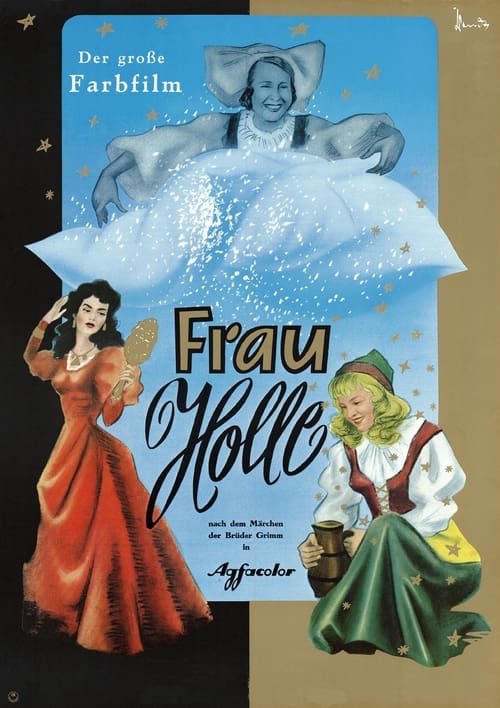
1954
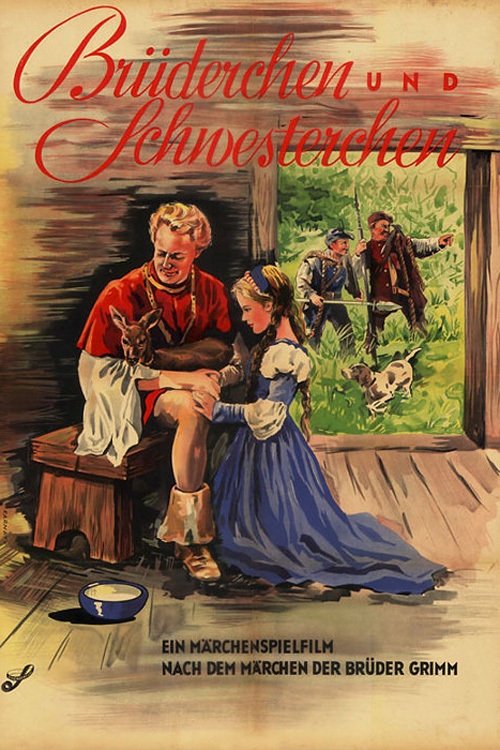
1953
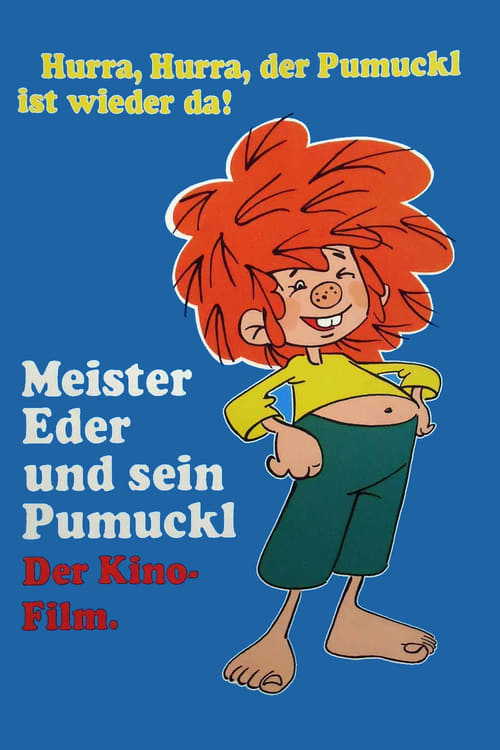
1982

1976
No reviews yet. Be the first to share your thoughts on this movie!
Use the rating form above to leave a star rating and optional review.