
The Dog Who Saved the Holidays
2012
No user ratings available yet
Diversity score: 2.4 out of 10
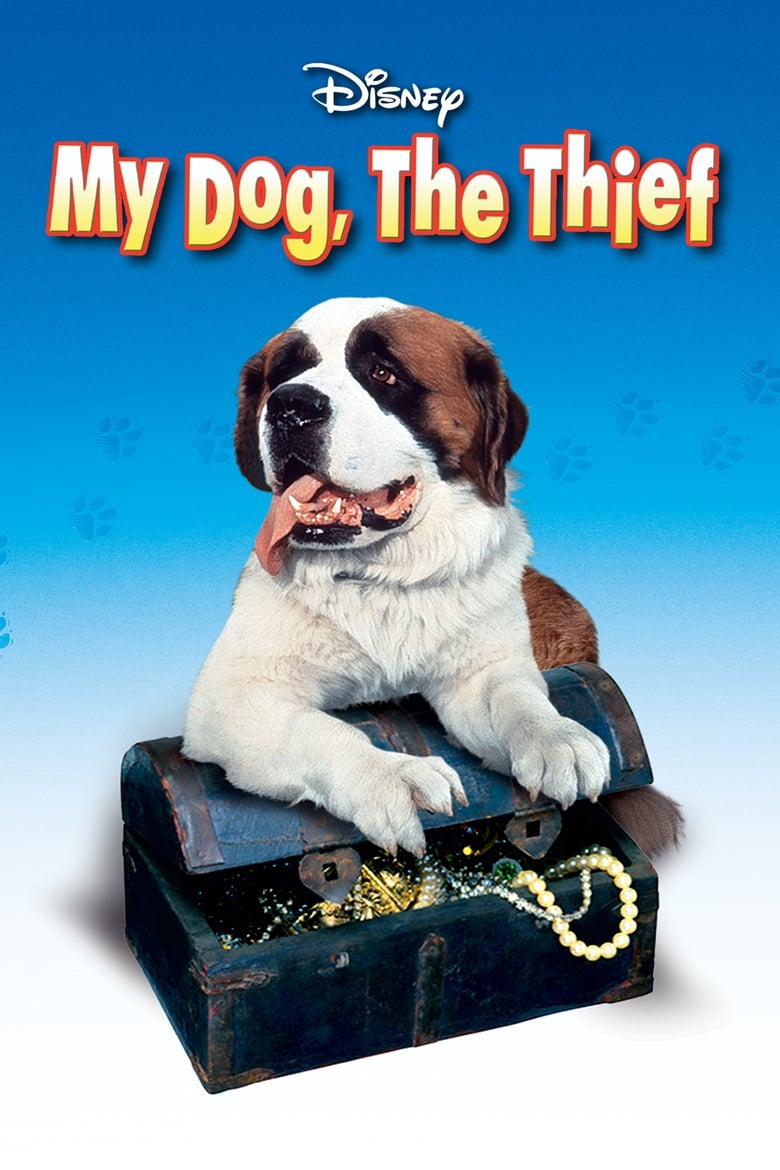
1969
GDirector
Robert Stevenson
Runtime
88 minutes
Average Rating
No ratings yetSynopsis
As ratings for Jack Crandall's lifeless airborne traffic reports plummet, a super-size St. Bernard on the lam stows away in his chopper. Crandall's new co-pilot helps send ratings sky-high, but the canine's chronic kleptomania generates girl trouble, jewel thievery, and loads of laughs.
Overall Score
Limited
Category Breakdown
LGBTQ+ Representation
The film lacks LGBTQ+ characters or narratives. It follows standard comedic tropes from 1969, focusing on traditional relational dynamics rather than queer identities.
Gender Representation
Female characters appear to serve as romantic foils or catalysts for the male protagonist. The narrative structure centers on Jack Crandall, reflecting traditional gender hierarchies.
Racial & Ethnic Diversity
The film reflects the homogeneous casting standards of late-1960s Hollywood. There is no indication of a diverse or non-Anglo-Saxon majority cast.
Religious & Cultural Diversity
The story operates within traditional Western entertainment frameworks. It focuses on professional success and domestic complications rather than challenging mid-century social norms.
Disability Representation
The film features a dog with kleptomania, but this is a comedic character trait. There is no representation of human disability or neurodivergence.
Strengths
Areas for Improvement
AI Analysis
My Dog, the Thief is a conventional mid-century family comedy that adheres to the established social and demographic norms of its era. The narrative architecture relies on traditional storytelling tropes rather than intersectional complexity or systemic critique. The film's focus remains on a male protagonist and standard comedic situations. It lacks significant representation across most diversity metrics, reflecting the mainstream Hollywood standards of 1969.
2012
1998

2009
1976
1965
1968
No reviews yet. Be the first to share your thoughts on this movie!
Use the rating form above to leave a star rating and optional review.