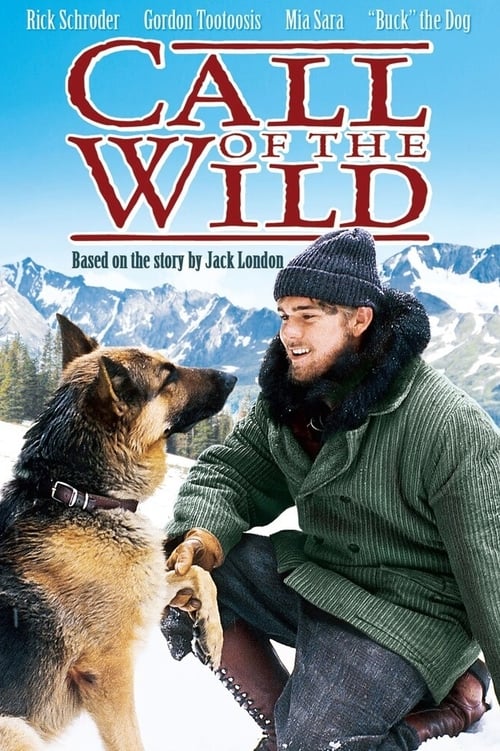
Call Of The Wild
1993
No user ratings available yet
Diversity score: 2.7 out of 10
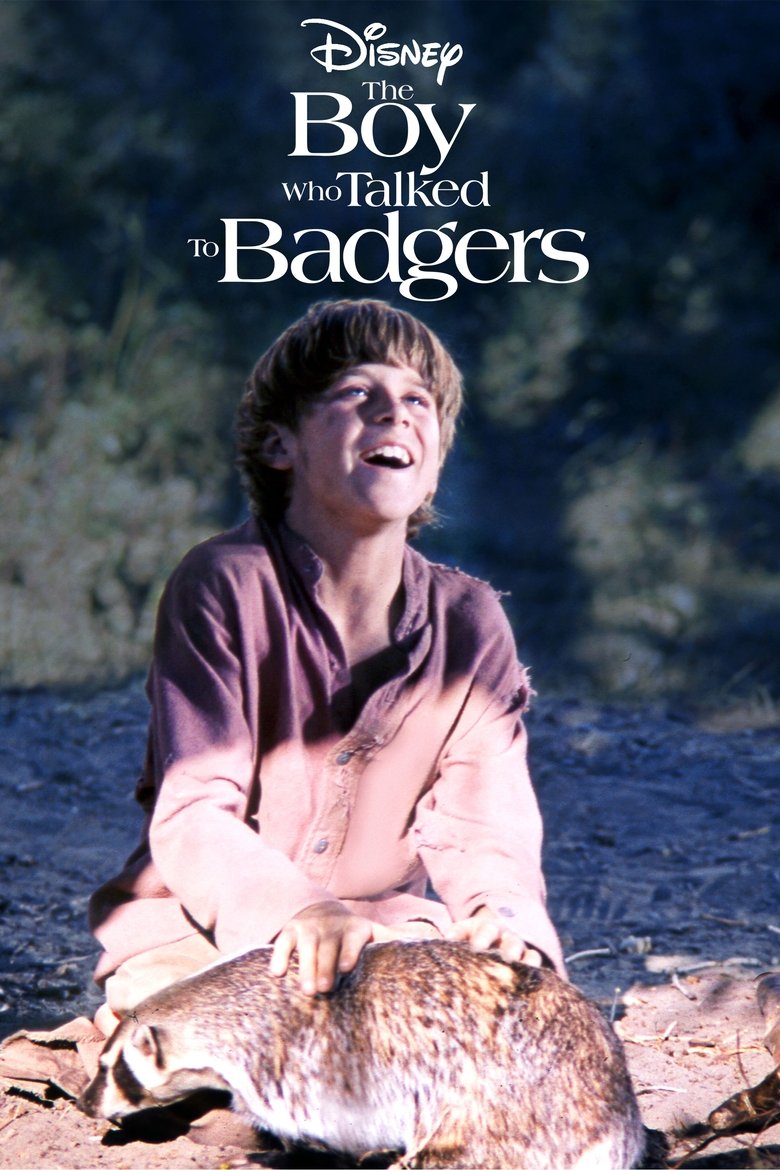
1975
Director
Gary Nelson
Runtime
100 minutes
Average Rating
No ratings yetSynopsis
A young boy gets along better with the animals he befriends around his family's Canadian farm than with the people he lives with.
Overall Score
Limited
Category Breakdown
LGBTQ+ Representation
The film focuses exclusively on a heteronormative family structure. There is no visibility for queer characters or non-cisnormative identities within the narrative.
Gender Representation
The story centers on male characters, including the young protagonist and his brother. Female roles are limited to empathetic, nurturing parental figures within a traditional framework.
Racial & Ethnic Diversity
The setting and cast reflect a homogeneous Western demographic. There is no evidence of diverse casting or non-white characters with significant agency in the story.
Religious & Cultural Diversity
The narrative promotes conventional Western values and the sanctity of the nuclear family. It reinforces a traditional moral order through the protagonist's connection to nature.
Disability Representation
There are no depictions of visible or invisible disabilities. The protagonist's affinity for animals is treated as a personality trait rather than a neurodivergent condition.
Strengths
Areas for Improvement
AI Analysis
This 1975 Disney production serves as a quintessential example of mid-century family programming. It prioritizes the stability of the nuclear family and a restorative moral arc over social complexity. The film reinforces traditional social hierarchies and Western settler-descendant norms. It lacks intersectional perspectives, focusing instead on a localized, homogeneous environment that avoids challenging established cultural structures. While the protagonist displays social non-conformity through his bond with animals, the story ultimately seeks to reintegrate him into the conventional family unit, upholding standard domestic values.
No reviews yet. Be the first to share your thoughts on this movie!
Use the rating form above to leave a star rating and optional review.