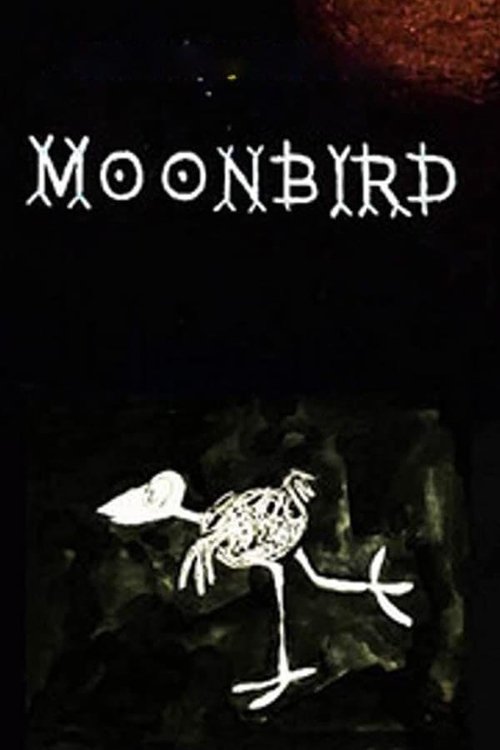
Moonbird
1959
No user ratings available yet
Representation score: 3.2 out of 10

Representation Score
Minimal
1934
Director
Rudolf Ising
Runtime
8 minutes
Average Rating
No ratings yetNew Showbiz Analysis
Tale of the Vienna Woods is a period-typical animated short that emphasizes nature-based fantasy and escapism. The narrative relies on classical folklore and mythological archetypes rather than complex social commentary. The film reflects the social norms of the 1930s, focusing on a homogeneous European setting. It does not intentionally engage with multi-layered identities or disrupt traditional power dynamics. Ultimately, the work serves as a foundational example of early animation, adhering to the storytelling clichés of its time.
Category Breakdown
The film includes a fawn and a satyr within a mythological context. There are no explicit LGBTQ+ identities or narratives that challenge traditional assumptions about sexuality.
The story follows traditional gender roles typical of 1930s animation. It lacks detailed exploration of female empowerment or the subversion of gender stereotypes.
Set in a localized European fantasy world, the cast consists mainly of animals and mythological creatures. The film does not include characters from diverse racial backgrounds.
The plot unfolds as a traditional fantasy adventure, adhering to conventional moral frameworks. It does not address narratives that challenge Western social structures or institutions.
There is no evidence of the portrayal of physical disabilities or neurodivergent characters in this work.
Present on Screen
Limited or Absent
Official Synopsis
The animated adventure of a fawn and a satyr who is only animate during daylight.
1959

1935

1916

1936
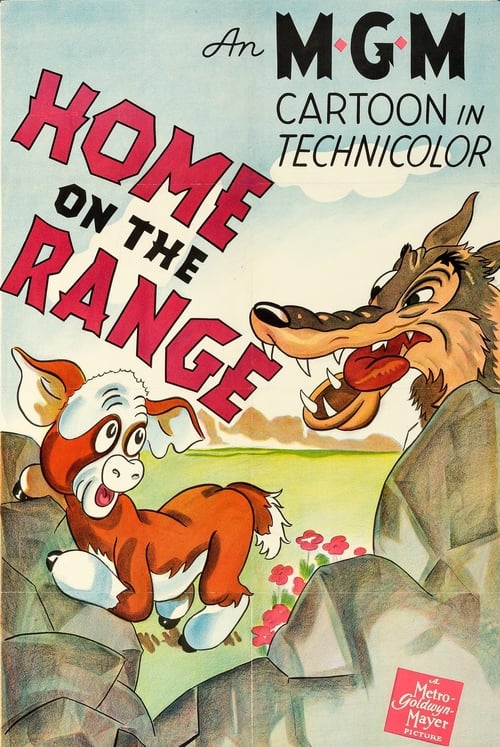
1940
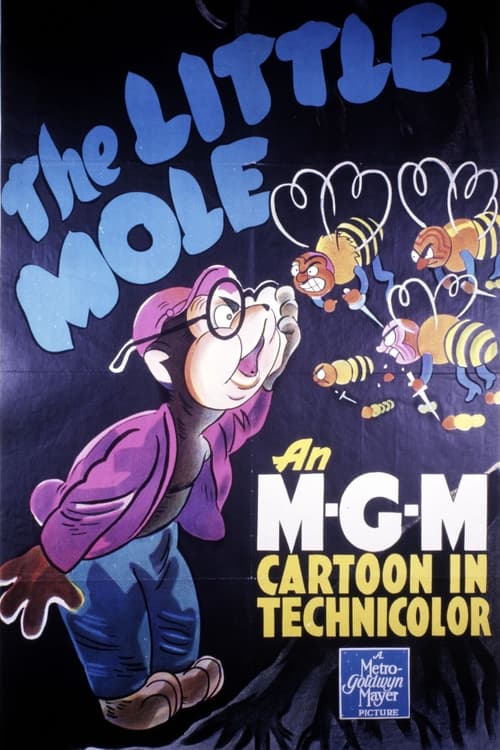
1941
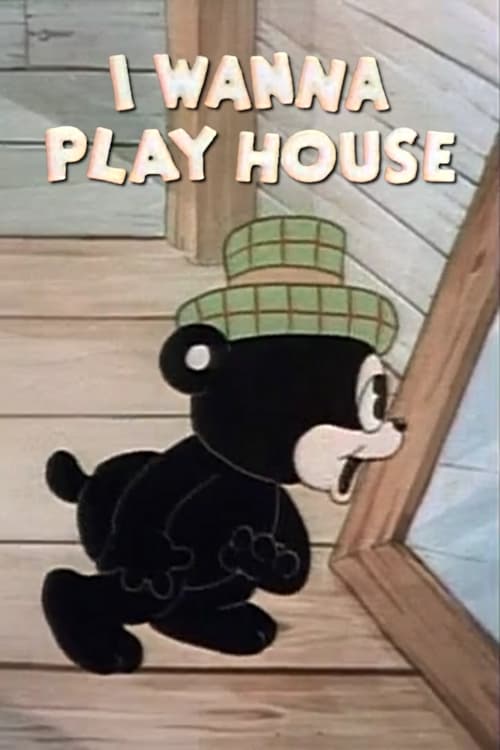
1936
1940
No reviews yet. Be the first to share your thoughts on this movie!
Use the rating form above to leave a star rating and optional review.