Sexton Blake and the Hooded Terror
1938
No user ratings available yet
Representation score: 2.6 out of 10
Representation Score
Minimal
1932
NRDirector
Pál Fejős
Runtime
80 minutes
Average Rating
No ratings yetNew Showbiz Analysis
Fantômas (1932) functions as a traditional crime thriller that adheres strictly to the genre conventions of its time. The plot centers on the classic detective cliché, focusing on the pursuit of a criminal within a high-society setting. The film lacks complexity in reflecting multiple aspects of identity, relying instead on established social hierarchies. The narrative structure prioritizes the conflict between the detective and the antagonist over diverse character perspectives. Ultimately, the work reflects the homogeneous social structures of early 20th-century Europe, offering little evidence of intentional subversion or demographic variety.
Category Breakdown
The film does not include any non-straight or non-cisgender identities or critiques of the assumption that everyone is straight.
The Marquise de Langrune is a key figure but mainly serves as a plot catalyst and victim. Authority and control remain focused on male roles such as the Inspector and Lord.
The setting and character titles suggest a homogeneous, Eurocentric aristocratic environment. The story structure mirrors the social norms of early 20th-century European period dramas.
The story operates within traditional Western social structures, including aristocracy and formal law enforcement. It does not show any critique of these established institutions.
The narrative does not provide any information about characters with physical, sensory, or neurodivergent traits.
Present on Screen
Limited or Absent
Official Synopsis
The Marquise de Langrune invites her friends at her castle in Beaulieu. Among them is Lord Beltham who also came to bring her a significant sum of money. The mysterious Fantômas kills the Marquise during the night. Inspector Juve is sent on his trail.
1938
1922
1965
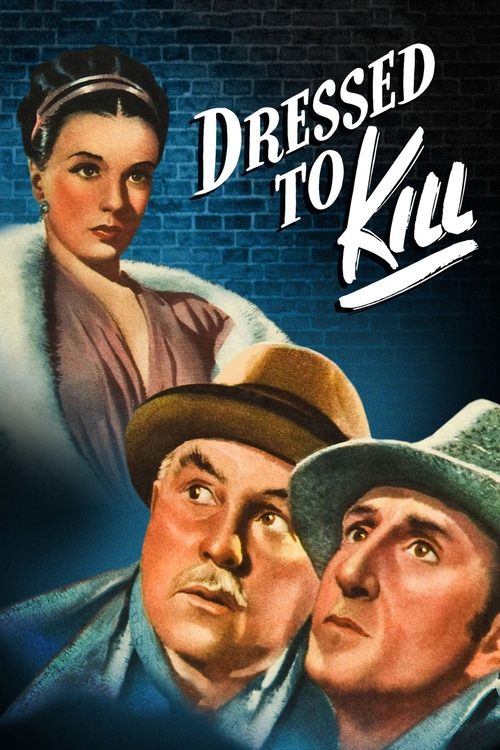
1946
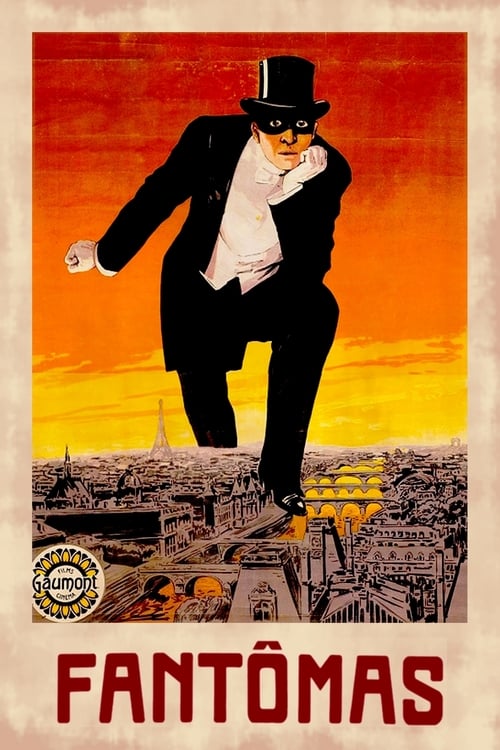
1913
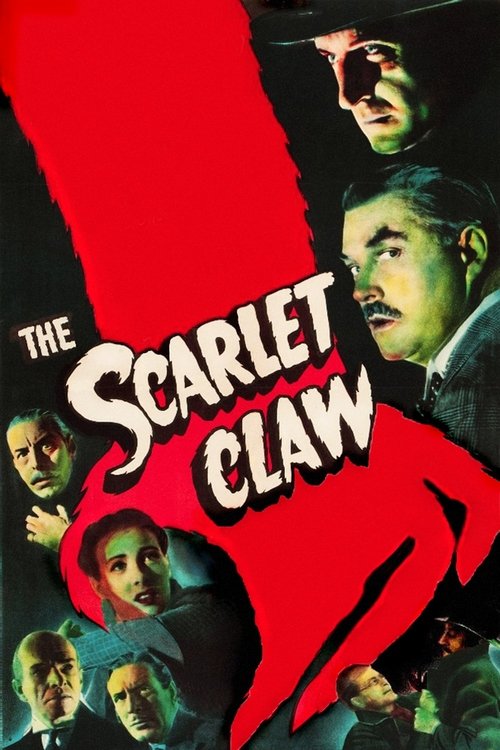
1944

1934
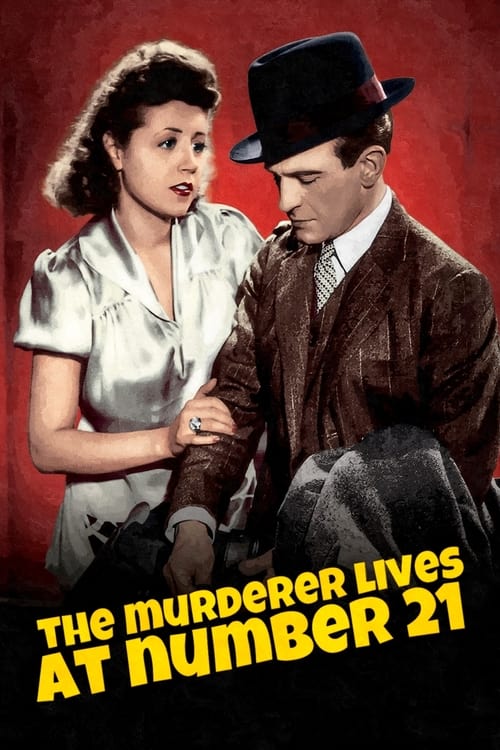
1942
No reviews yet. Be the first to share your thoughts on this movie!
Use the rating form above to leave a star rating and optional review.