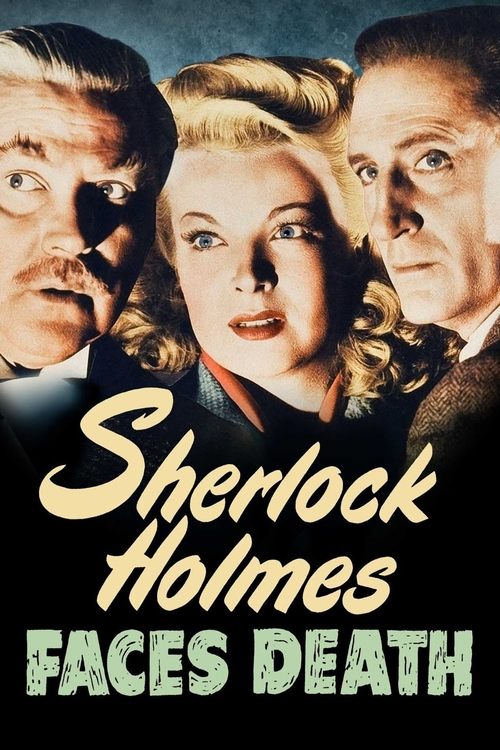
Sherlock Holmes Faces Death
1943
No user ratings available yet
Representation score: 2.7 out of 10
Representation Score
Limited
1946
ApprovedDirector
Roy William Neill
Runtime
72 minutes
Average Rating
No ratings yetNew Showbiz Analysis
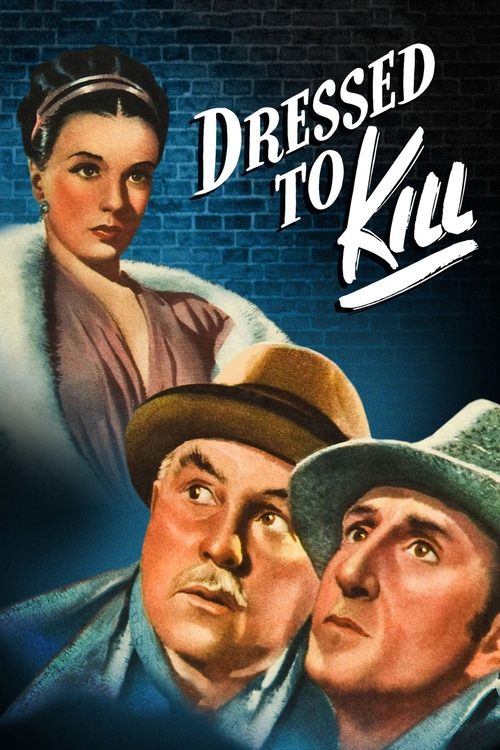
Dressed to Kill is a standard genre piece of its era, reinforcing existing social and institutional hierarchies. The narrative structure relies on traditional archetypes, particularly regarding gender and race, presenting a homogeneous view of post-war London without multi-layered depth or subversion of social norms. Ultimately, the film celebrates logic and institutional stability, prioritizing the investigative ability to act of its male leads over a diverse or nuanced exploration of identity.
Category Breakdown
The film adheres to a traditional framework that assumes everyone is straight or cisgender, with no indication of LGBTQ+ or non-assuming gender matches what was assigned at birth identities.
Female characters mainly serve as catalysts for the male protagonists, often functioning as victims or suspects, while male characters take leading roles.
The cast is predominantly white, reflecting a homogeneous social landscape without significant racial or ethnic diversity.
The plot focuses on protecting capital and restoring legal order through institutional authority, without critiquing capitalism, religion, or the Western family unit.
There is no meaningful depiction of visible or invisible disabilities, nor are characters with physical or neurodivergent traits given central roles.
Present on Screen
Limited or Absent
Official Synopsis
A convicted thief in Dartmoor prison hides the location of the stolen Bank of England printing plates inside three music boxes. When the innocent purchasers of the boxes start to be murdered, Holmes and Watson investigate.
1943
1945
1944
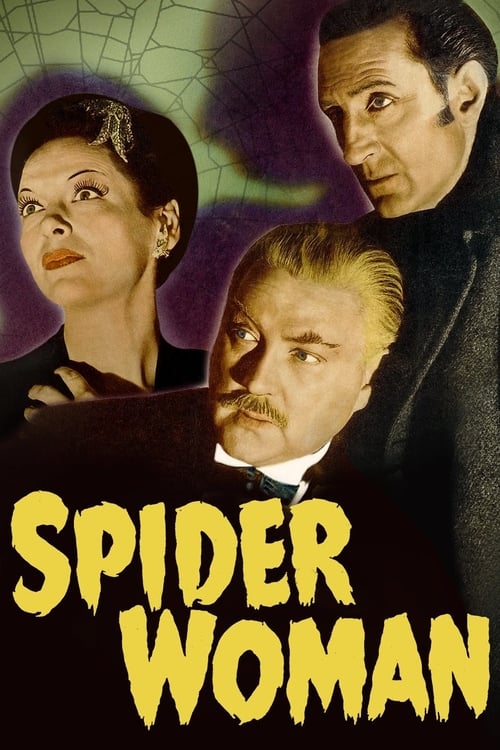
1943
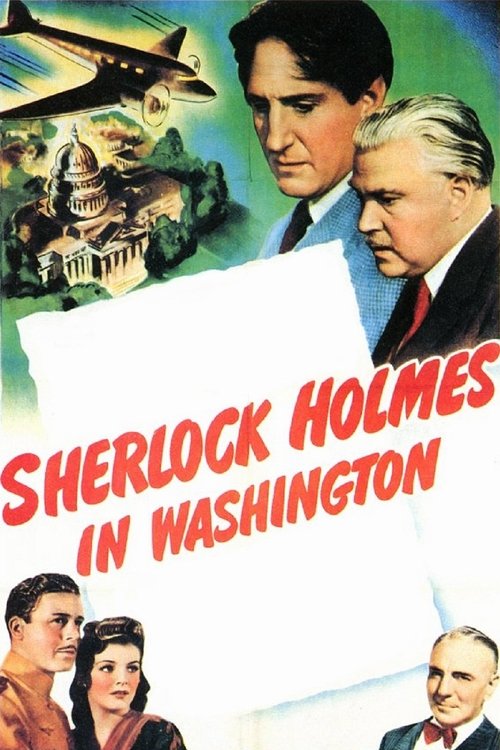
1943

1944
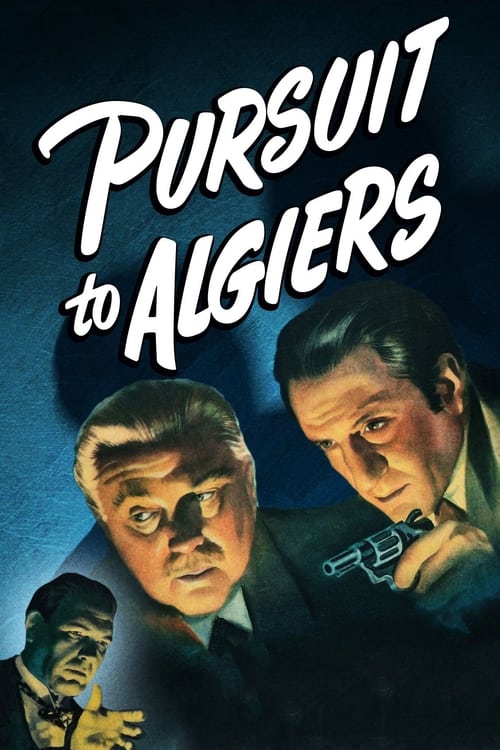
1945
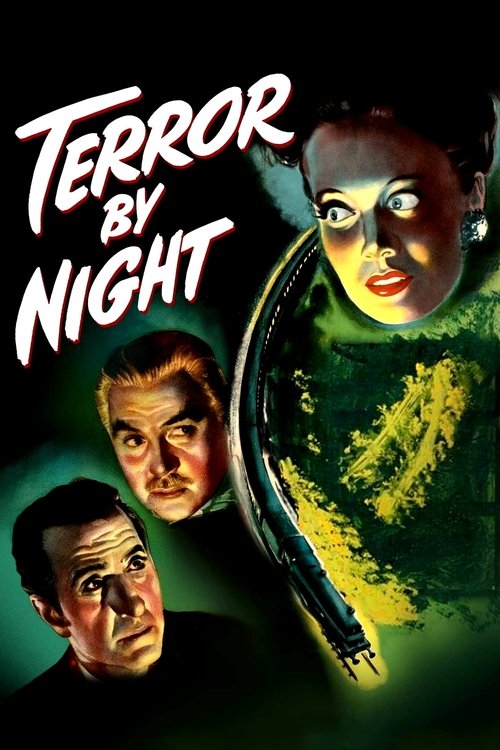
1946
No reviews yet. Be the first to share your thoughts on this movie!
Use the rating form above to leave a star rating and optional review.