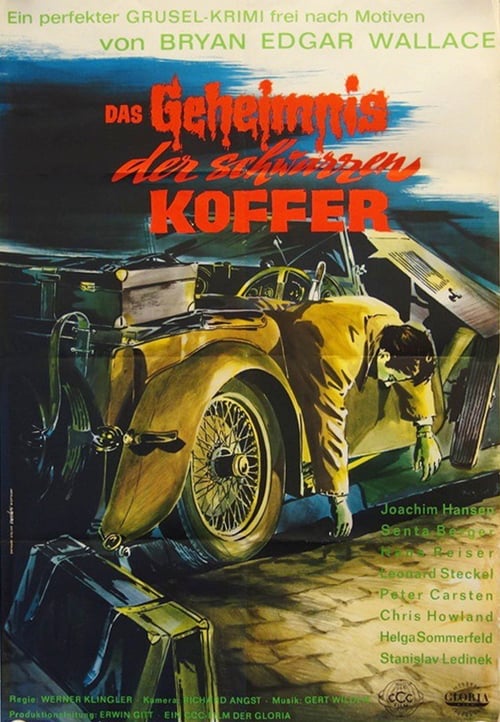
The Secret of the Black Trunk
1962
No user ratings available yet
Representation score: 2.5 out of 10
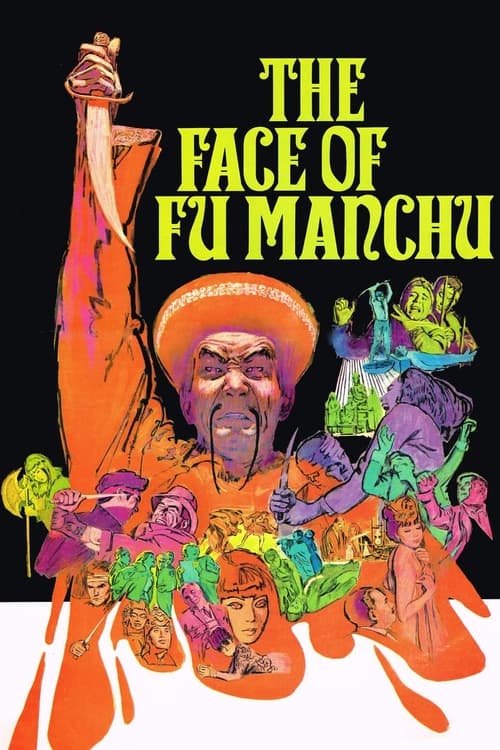
Representation Score
Minimal
1965
GDirector
Don Sharp
Runtime
96 minutes
Average Rating
No ratings yetNew Showbiz Analysis
The film operates as a historical example of mid-century cinematic clichés, particularly those related to colonial anxieties. It constructs its narrative around the 'Yellow Peril' framework, emphasizing the perceived threat of Eastern mysticism to Western dominance. Instead of challenging traditional hierarchies, the film reinforces them. It upholds Western colonial authority by depicting the antagonist as a chaotic force that must be neutralized by British intelligence. Overall, the film lacks depth in representing diverse identities and perspectives, relying on racialized and patriarchal stereotypes.
Category Breakdown
The film contains no discernible LGBTQ+ characters or explorations of non-straight-centered identities. Social dynamics remain strictly aligned with the straight-centered standards of 1960s adventure cinema.
Female characters play secondary roles, often serving as catalysts for male action or needing rescue. Their influence is limited compared to the male protagonists, reinforcing a traditional patriarchal structure.
The film employs the 'Yellow Peril' cliché, portraying East Asian characters as menacing symbols of threat to Western order. It relies on racialized caricatures rather than nuanced representation.
The narrative emphasizes Western institutional stability and imperialism. It frames the antagonist's challenge to colonial power as a villainous disruption, ignoring any systemic critique.
There is no significant or meaningful depiction of physical or neurodivergent disabilities within the main character arcs.
Present on Screen
Limited or Absent
Official Synopsis
Grisly strangulations in London alert Nayland Smith of Scotland Yard to the possibility that fiendish Fu Manchu may not after all be dead, even though Smith witnessed his execution. A killer spray made from Tibetan berries seems to be involved and clues keep leading back to the Thames.
1962
1944
1932
1946
1938
1943
1965

1944
No reviews yet. Be the first to share your thoughts on this movie!
Use the rating form above to leave a star rating and optional review.