
La trappola di Maigret
2004
No user ratings available yet
Representation score: 3.5 out of 10
Representation Score
Minimal
1942
NRDirector
Henri-Georges Clouzot
Runtime
83 minutes
Average Rating
No ratings yetNew Showbiz Analysis
Clouzot’s thriller is a product of its time, focusing on suspense rather than diverse representation. The film adheres to the social norms and demographic homogeneity of 1942 provincial France. While the film lacks modern diversity, it offers a nuanced look at social paranoia and the fragility of communal trust. By exploring suspicion and the erosion of trust, it challenges the idea of a stable, harmonious community. Ultimately, the work serves as a period-specific mystery where the investigative ability to act is predominantly male, and the social fabric is strictly traditional.
Category Breakdown
The film reflects the societal norms of 1942 and does not depict any non-cisgender identities or challenge the assumption that everyone is straight.
Women in the film are mostly seen in supporting roles, observing or commenting on events. Male characters take the lead in solving the mystery and resolving the plot.
The cast and setting represent a homogeneous society typical of provincial France in 1942. There is no indication of diverse ethnic backgrounds.
The story examines the breakdown of social trust and communal paranoia, suggesting that the small-town order is fragile rather than cohesive and virtuous.
The film does not feature any significant representations of neurodivergence, physical disabilities, or mental health conditions that are central to the narrative.
Present on Screen
Limited or Absent
Official Synopsis
Paris, France. Commissaire Wens follows the lead of a ruthless murderer to an unexpected place.
2004
1947
1949

1927

1943
1940
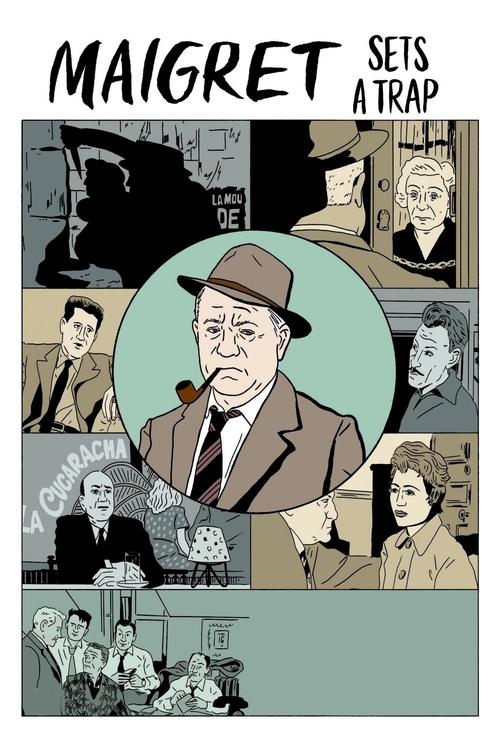
1958

1948
No reviews yet. Be the first to share your thoughts on this movie!
Use the rating form above to leave a star rating and optional review.