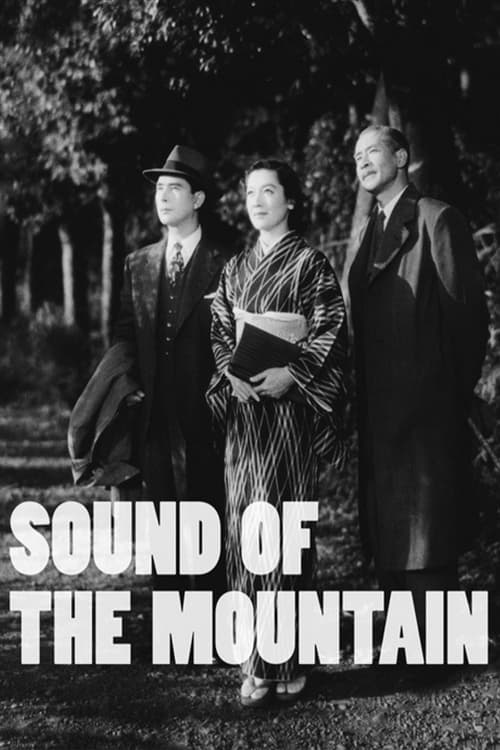
Sound of the Mountain
1954
No user ratings available yet
Representation score: 3.8 out of 10

Representation Score
Limited
1984
Director
Yasuhiro Horiuchi
Runtime
63 minutes
Average Rating
No ratings yetNew Showbiz Analysis
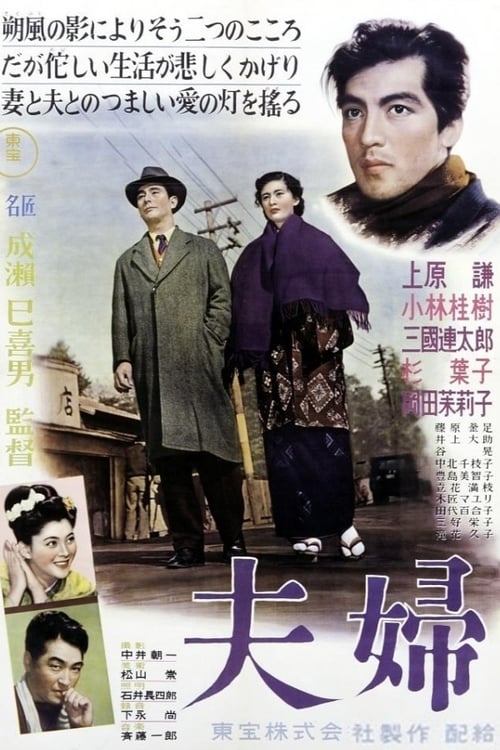
Shufu to Sei-seikatsu functions as a conventional domestic drama centered on interpersonal conflict. While the female protagonist provides the emotional core, the narrative remains rooted in traditional social structures and mid-century clichés. The film lacks complexity in representing multiple aspects of identity, focusing instead on individual marital doubts. It does not offer significant representation for LGBTQ+ identities or diverse racial backgrounds. Ultimately, the work prioritizes the complexities of maintaining social bonds and family lineage over progressive social critique or institutional subversion.
Category Breakdown
The story focuses on traditional heterosexual relationships and marital jealousy. There are no representations of LGBTQ+ identities or critiques of the assumption that everyone is straight.
The female perspective drives the emotional journey through her doubts about marriage and fidelity. However, the film follows traditional domestic drama clichés without challenging gender hierarchies.
As a 1984 Japanese production, the film likely features a culturally homogeneous cast. There is no indication of multi-ethnic blending or racial diversity.
The plot engages with traditional social structures like marriage and family lineage. It lacks any indication of anti-institutional or secularist sentiments.
The narrative does not mention any characters with visible or invisible disabilities.
Present on Screen
Limited or Absent
Official Synopsis
A woman marries the fiancé of her late sister but begins to have doubts when he starts to get overly friendly with a former classmate.
1954
1961

1982

1951
1953
1934
1986

2001
No reviews yet. Be the first to share your thoughts on this movie!
Use the rating form above to leave a star rating and optional review.