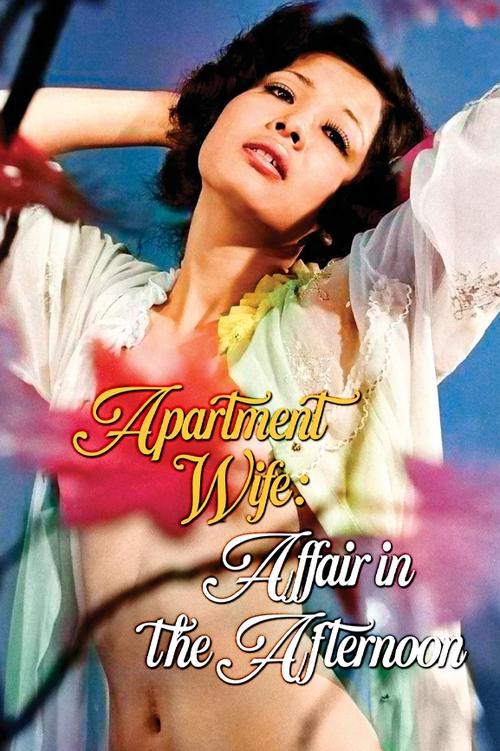
Apartment Wife: Affair in the Afternoon
1971
No user ratings available yet
Representation score: 5.6 out of 10
Representation Score
Fair
1986
Director
Shōgorō Nishimura
Runtime
69 minutes
Average Rating
No ratings yetNew Showbiz Analysis
The film provides a nuanced examination of the breakdown of the traditional nuclear family. By focusing on the psychological state of a bored housewife, it disrupts the era's standard patriarchal hierarchies and challenges the idealization of domestic stability. However, the film remains culturally homogeneous and lacks representation for LGBTQ+ individuals or characters with disabilities. The narrative is deeply rooted in a specific Japanese social context of the mid-1980s. Ultimately, the film's strength lies in its subversion of domestic expectations rather than its breadth of identity representation.
Category Breakdown
The film does not include any explicit references to queer identities or non-straight relationships. It focuses mainly on issues within a traditional marriage.
The story revolves around a frustrated housewife, which shifts the focus away from patriarchal authority. The portrayal of the husband's domineering behavior and the resulting domestic conflict critiques traditional masculine roles.
As a 1986 Japanese production, the film operates within a homogeneous cultural context. It does not exclude diverse perspectives but lacks multi-ethnic representation.
The film questions the sanctity of the traditional family unit by presenting domestic bliss as unattainable. It emphasizes individual impulses over conventional familial duties.
There is no mention of characters with visible or invisible disabilities. The narrative does not address disability as a theme.
Present on Screen
Limited or Absent
Official Synopsis
A bored and frustrated housewife spends her days shopping and catches the eye of a young artist. Meanwhile her domineering husband decides to spice up his life by bringing his mistress home. Domestic bliss does not ensue.
1971
1961
1978
1970
1953
1983

2007
1997
No reviews yet. Be the first to share your thoughts on this movie!
Use the rating form above to leave a star rating and optional review.