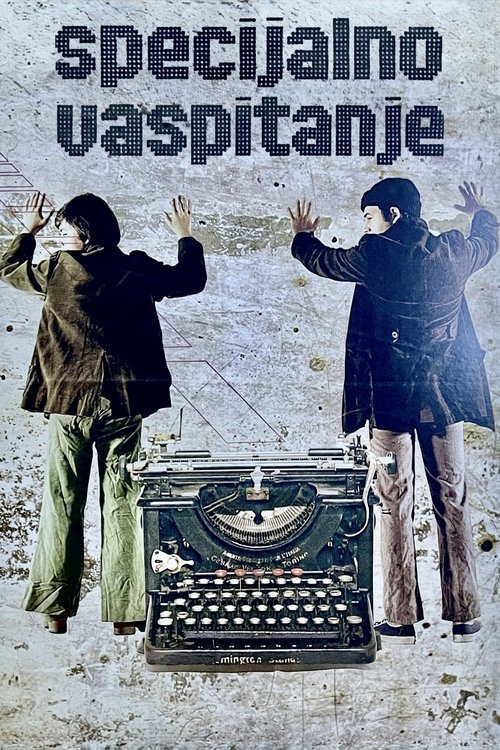
Special Education
1977
No user ratings available yet
Representation score: 6.7 out of 10
Representation Score
Good
1979
Director
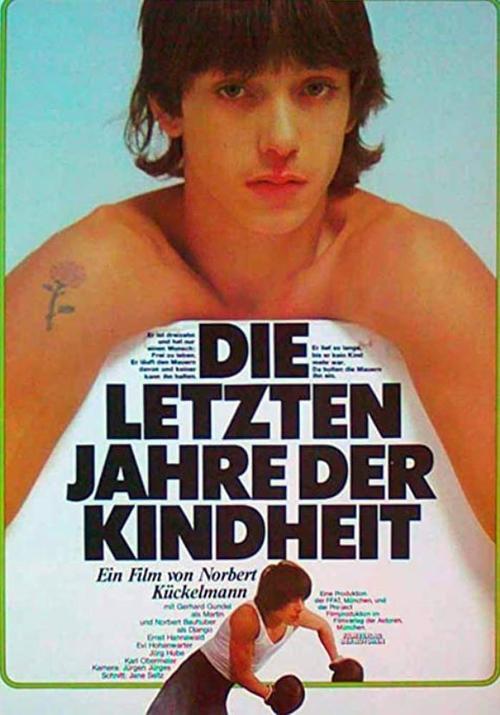
Norbert Kückelmann
Runtime
105 minutes
Average Rating
No ratings yetNew Showbiz Analysis
The film primarily serves as a critique of institutional authority and systemic failure. It successfully deconstructs social order by framing non-conformity as a valid response to an oppressive framework. However, the work is limited by the demographic constraints of its 1979 European origin. It lacks significant markers for racial and LGBTQ+ diversity, keeping the overall score moderate. Ultimately, the film's strength lies in its psychological depth and its willingness to challenge the 'ideal' social unit through the lens of a struggling juvenile offender.
Category Breakdown
The film does not include explicit LGBTQ+ characters or explore non-straight relationships. The story focuses on the protagonist's bond with his brother and his struggle against state institutions.
The story centers on a male-dominated world, yet it challenges traditional masculine hierarchies. It portrays the protagonist as a vulnerable individual dealing with mental health issues rather than a figure of strength.
Reflecting its 1979 West German production context, the film likely adheres to the demographic homogeneity of the time. There is no indication of diverse casting to suggest otherwise.
The film strongly critiques Western institutions by presenting societal rules as oppressive. It prioritizes the protagonist's subjective morality over the rigid moralism of the state.
The narrative provides a character facing severe mental health crises who play a significant role in driving the story. By engaging a psychologist to address his internal state, it delves into a nuanced study of psychological distress.
Present on Screen
Limited or Absent
Official Synopsis
A juvenile offender is handed over to authorities at age 13 and placed in an institution in this somber social drama. Martin is a petty thief who enjoys stealing and looks up to his older brother. When he is informed that his brother has died, Martin runs away from the reform school. He passes through various institutions and is labeled as incorrigible because of his refusal to comply with the rules of society. A dedicated child psychologist tries to save Martin when he entertains thoughts of suicide.
1977

1938
1996

2015
1955

2002

1996

1980
No reviews yet. Be the first to share your thoughts on this movie!
Use the rating form above to leave a star rating and optional review.