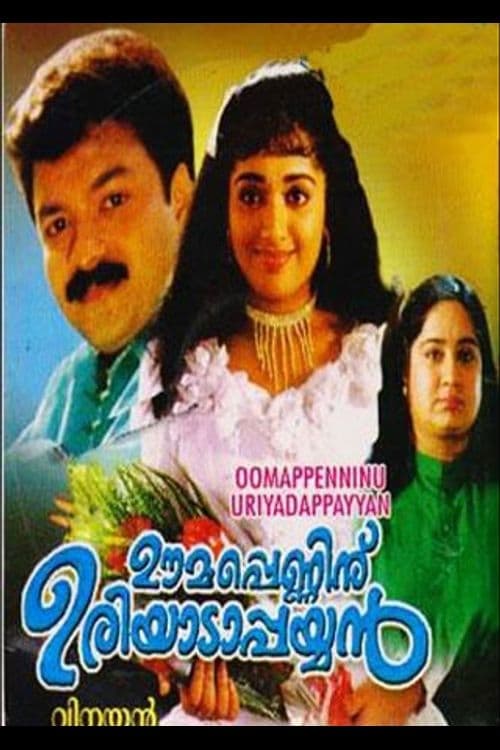
Oomappenninu Uriyadappayyan
2002
No user ratings available yet
Representation score: 5.4 out of 10

Representation Score
Good
2014
Director
Raju Murugan
Runtime
162 minutes
Average Rating
No ratings yetNew Showbiz Analysis
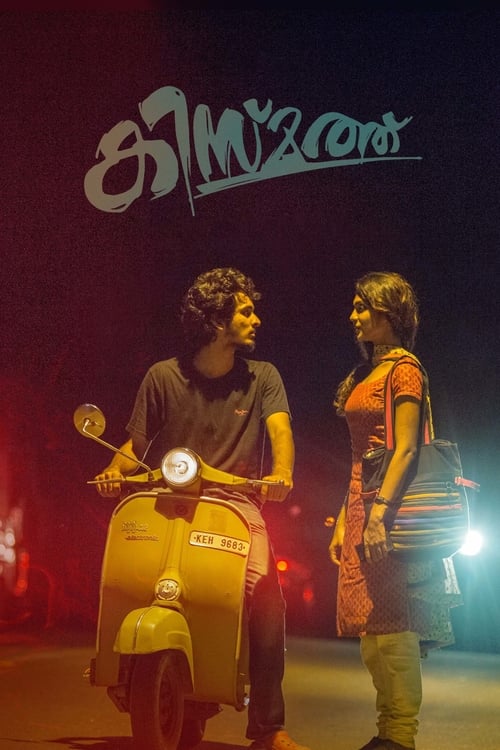
Cuckoo is a sociological critique presented as a romance. It uses the central relationship to challenge traditional ideas of class and caste stratification in Chennai's urban setting. The film's strength lies in its refusal to romanticize poverty. Instead, it presents the struggle against systemic inequality as the main driver for character development and narrative tension. While the film lacks LGBTQ+ representation, it offers a deep, nuanced exploration of disability and multi-layered identity, making it a progressive social commentary.
Category Breakdown
The film does not include any LGBTQ+ characters or stories. The romantic plot focuses solely on the heterosexual relationship between the main characters.
The story challenges traditional gender roles by focusing on the female protagonist's significant role. She fights against patriarchal and class-based oppression rather than just romantic clichés.
The film stands out by centering a protagonist from a underrepresented community. It uses class and caste issues to challenge the dominance of upper-caste social structures.
The story offers a sophisticated look at the caste system and class-based capitalism. It highlights the conflict between underrepresented individuals and oppressive social systems.
Visual impairment is a key element of the film. The protagonist, Tamizh, has significant control over his own life, and his disability is woven into a realistic socioeconomic context.
Present on Screen
Limited or Absent
Official Synopsis
Visually-challenged Tamizh and Suthanthirakodi fall in love with each other, but her self-centred brother wants to marry her off to his friend, which leads to the lovers' separation. Can their love help them find each other?
2002

2011
2010

2011
2016

2011

2009
1992
No reviews yet. Be the first to share your thoughts on this movie!
Use the rating form above to leave a star rating and optional review.