
Your Eyes Tell
2020
No user ratings available yet
Representation score: 5.4 out of 10
Representation Score
Fair
2017
Director
Naomi Kawase
Runtime
101 minutes
Average Rating
No ratings yetNew Showbiz Analysis
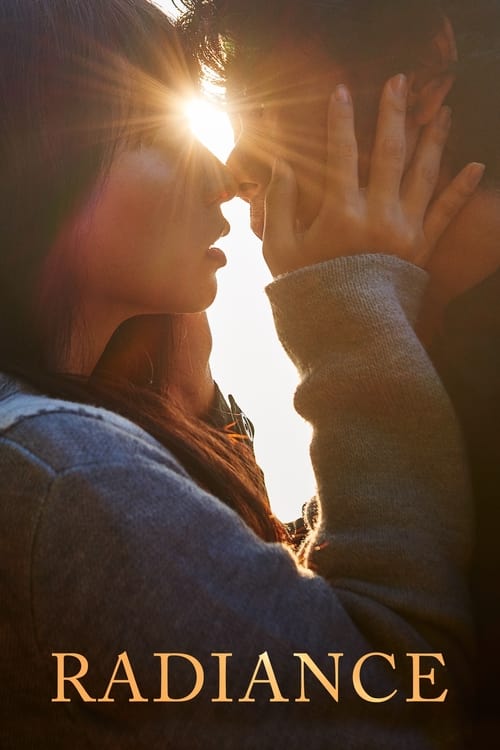
Radiance is a meditative character study that favors sensory immersion over traditional plot or social commentary. It succeeds in offering a non-traditional portrayal of disability and female-centric domestic life through a poetic, atmospheric lens. However, the film lacks diversity and systemic critique. It remains deeply rooted in a specific, homogeneous cultural context, limiting its demographic variety. Ultimately, the film prioritizes authentic, localized storytelling and the symbolism of light over broad representation seen in contemporary global cinema.
Category Breakdown
The film does not include LGBTQ+ characters or explore non-straight relationships. It focuses on the interpersonal connections between the main characters.
The story centers on female lineage and the domestic sphere through a grandmother and granddaughter. It offers a nuanced look at female caretaking and emotional depth.
Set in a rural Japanese village, the film features a predominantly Japanese cast. It prioritizes cultural authenticity over a multicultural or multi-ethnic mix.
The film highlights a connection to the natural world rather than religious structures. It presents a quietist view of existence through personal connection and memory.
The protagonist Masaya has a visual impairment that is integrated into his sensory experience. The portrayal avoids clichés by giving him control over how he perceives reality.
Present on Screen
Limited or Absent
Official Synopsis
The story follows the social intercourse between a cameraman, Masaya, with a visual impairment, and Misako who disconnects from the world.
2020

2014

2017

1998

2024

2016

2023
2018
No reviews yet. Be the first to share your thoughts on this movie!
Use the rating form above to leave a star rating and optional review.