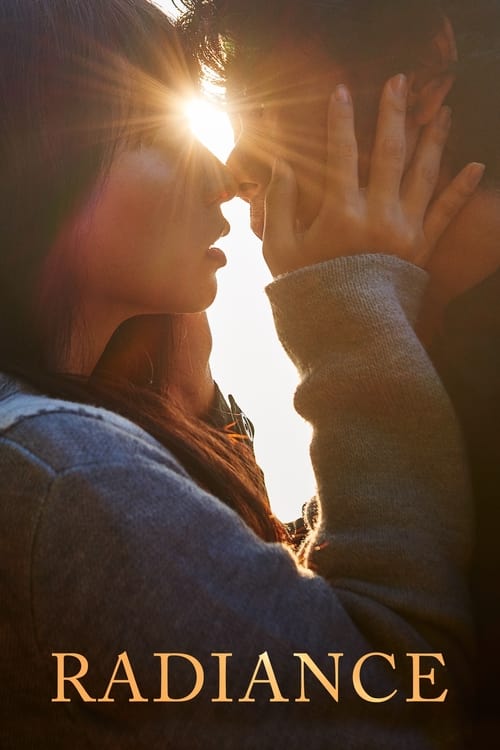
Radiance
2017
No user ratings available yet
Representation score: 4.9 out of 10

Representation Score
Fair
2020
Director
Takahiro Miki
Runtime
123 minutes
Average Rating
No ratings yetNew Showbiz Analysis
Your Eyes Tell excels in its sensitive portrayal of visual impairment. By focusing on the sensory and communicative challenges faced by its protagonists, the film goes beyond using impairment as a mere plot device, providing a valuable perspective for visually impaired audiences. However, the film adheres to traditional genre conventions. Its romantic framework is strictly heterosexual, and the setting reflects a culturally homogeneous Japanese environment without disrupting ethnic norms. Overall, while the film lacks multi-layered depth or systemic critique, its commitment to depicting the nuances of sensory impairment offers a meaningful perspective for disabled viewers.
Category Breakdown
The story revolves around a traditional heterosexual relationship. There is no indication of queer-coded subtext or non-cisgender identities among the main characters.
The film highlights the emotional labor and caretaking responsibilities of its leads. While it avoids aggressive masculine stereotypes by emphasizing the male lead's vulnerability, it adheres to conventional romantic structures.
Set in Japan, the film portrays a culturally homogeneous environment. The narrative focuses on internal character development without intentionally blending races or casting a diverse range of actors.
This character-driven drama emphasizes personal emotional arcs over systemic critiques. It presents a standard exploration of resilience without challenging traditional institutions or cultural norms.
The film offers a nuanced portrayal of visual impairment. By centering the plot on navigating sudden blindness, it gives the protagonist a significant role in driving the story and explores sensory perception authentically.
Present on Screen
Limited or Absent
Official Synopsis
A tragic accident lead to Akari's blindness, but she clings to life and the smaller pleasures it can still afford her. She meets Rui and begins to talk to him. Rui was once a promising kickboxer, but something happened in his past. Akari's smile brings out a change in Rui. However, the two are connected in more than one way. Rui attempts to do what is right.
2017

2024

2023

1998

2017

2024
2014
2019
No reviews yet. Be the first to share your thoughts on this movie!
Use the rating form above to leave a star rating and optional review.