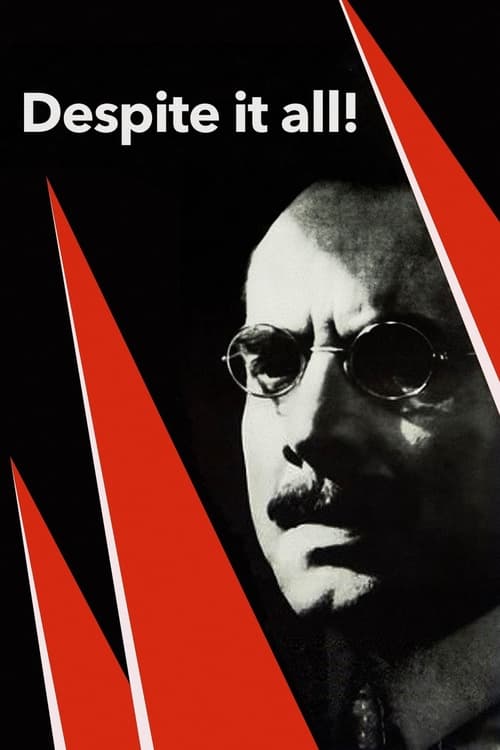
Despite It All!
1972
No user ratings available yet
Representation score: 5.2 out of 10
Representation Score
Good
1973
Director
Günter Reisch
Runtime
110 minutes
Average Rating
No ratings yetNew Showbiz Analysis
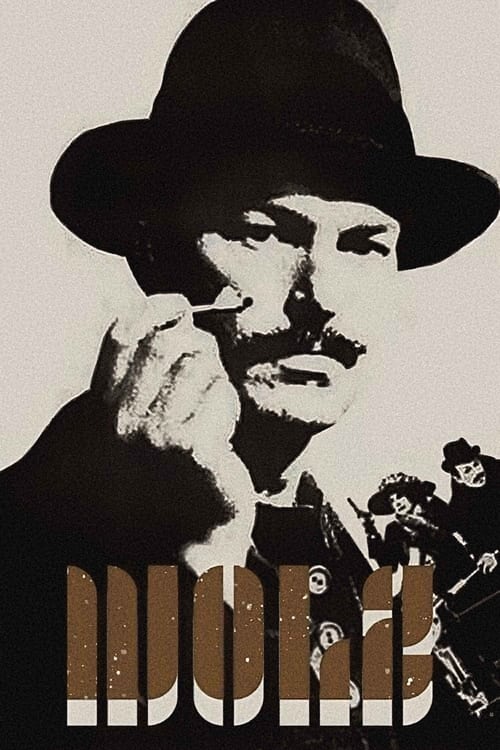
Wolz is a film focused on critiquing class and state power, rather than modern identity politics. It effectively dismantles the perceived morality of Western capitalist structures through the lens of an anarchist protagonist. However, the film falls short in terms of contemporary representation. Its narrative is deeply rooted in the historical context of European labor movements, resulting in a homogeneous cast and limited diversity. Overall, the work serves as a specialized critique of systemic oppression, trading in-depth diversity for a singular focus on the struggle between the individual and the state.
Category Breakdown
The film centers on political and socioeconomic issues within early 20th-century German anarchism. It does not depict non-straight or non-cisgender identities or same-sex relationships as key elements of the story.
The story challenges traditional hierarchies by going against Prussian state and middle-class norms. However, the main character, Wolz, remains the central figure, limiting the exploration of gendered experiences.
The cast mainly consists of actors representing the historical German working class. The film emphasizes class struggle over racial or ethnic diversity.
The film critiques Western institutions such as capitalism and the monarchy. It portrays revolutionary defiance and wealth redistribution as justified responses to systemic corruption.
There are no significant characters with visible or invisible disabilities playing central roles. The focus remains on the political conditions of the working class.
Present on Screen
Limited or Absent
Official Synopsis
Soldier Ignaz Wolz returns from WWI with an immeasurable hatred of capitalist war profiteers. He decides to start his own revolution, but tries to stay away from the organized class struggle. He steals from the rich men and divides the wealth among the poor. One day, Wolz is arrested and sentenced to life in prison; seven years later he is released due to mass protests. More than ever, it is hard for him to fit in. He severs ties with his former companions, who reject his ideas, and leaves Germany.
1972
1971
1917

1949
1927
1995
1929
1973
No reviews yet. Be the first to share your thoughts on this movie!
Use the rating form above to leave a star rating and optional review.