What Ever Happened to Baby Jane?
1962
No user ratings available yet
Representation score: 4.6 out of 10
Representation Score
Limited
1964
NRDirector
William Castle
Runtime
93 minutes
Average Rating
No ratings yetNew Showbiz Analysis
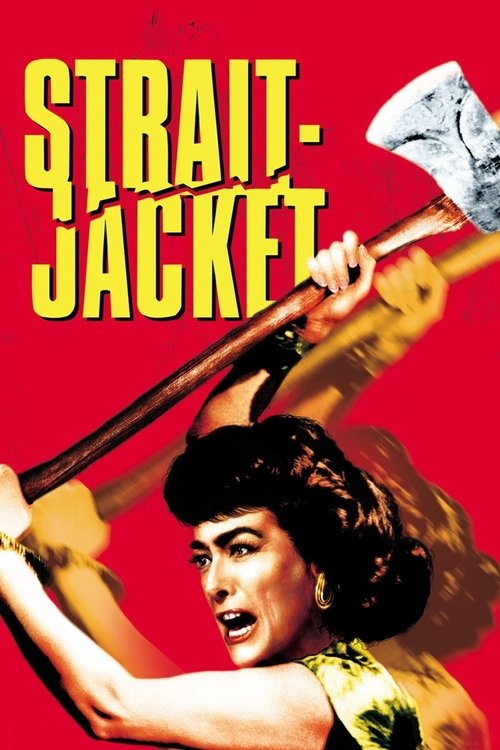
Strait-Jacket operates primarily within the traditional cinematic frameworks of the 1960s. It lacks meaningful racial or LGBTQ+ representation, staying true to the era's demographic norms. However, the film finds progressive value in its narrative structure. By giving a female protagonist significant psychological depth, it avoids treating her as a passive object of medical scrutiny. Ultimately, the film's strength lies in its character-driven tension rather than overt identity politics, offering a nuanced look at ability to act within a restrictive institutional environment.
Category Breakdown
The film focuses on a mother-daughter relationship and a marriage mystery. It adheres to the social conventions of its era without including any characters who don't identify with their assigned gender at birth.
The story centers on a woman's psychological complexity and her struggle against a male-dominated medical system. She serves as the main driver of tension throughout the film.
The production reflects the demographic homogeneity typical of 1960s Western studio films. The cast is predominantly white with no diverse ethnic ensembles.
The film explores subjective morality and the conflict between an individual and a clinical institution. It does not explicitly critique Western social structures.
The story centers on mental health within a psychiatric setting. While her instability drives the suspense, the focus on her internal perspective provides a unique viewpoint.
Present on Screen
Limited or Absent
Official Synopsis
After a twenty-year stay at an asylum for a double murder, a mother returns to her estranged daughter where suspicions arise about her behavior.
1962
1971

1960
1964

1965

1961

2018

1972
No reviews yet. Be the first to share your thoughts on this movie!
Use the rating form above to leave a star rating and optional review.